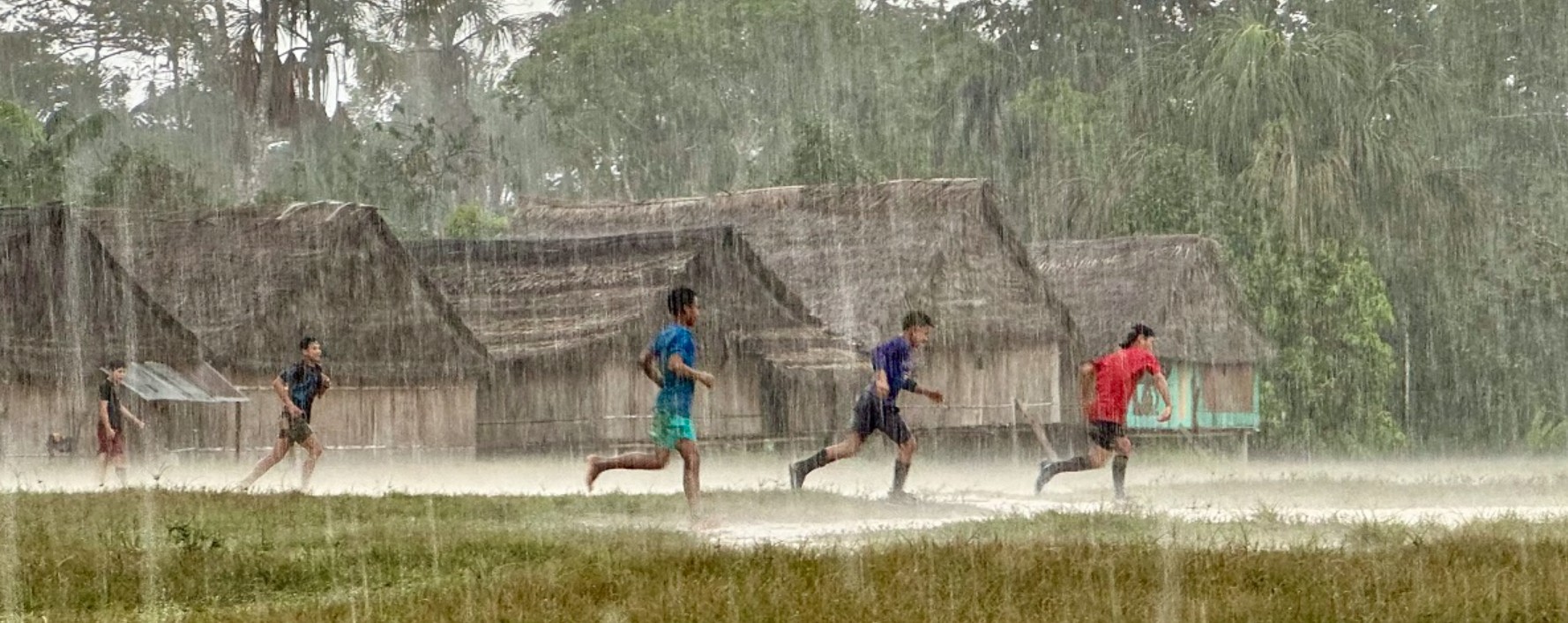
Mongabay Journalists Win Top International Honors for Environmental Investigations in 2025
December 31, 2025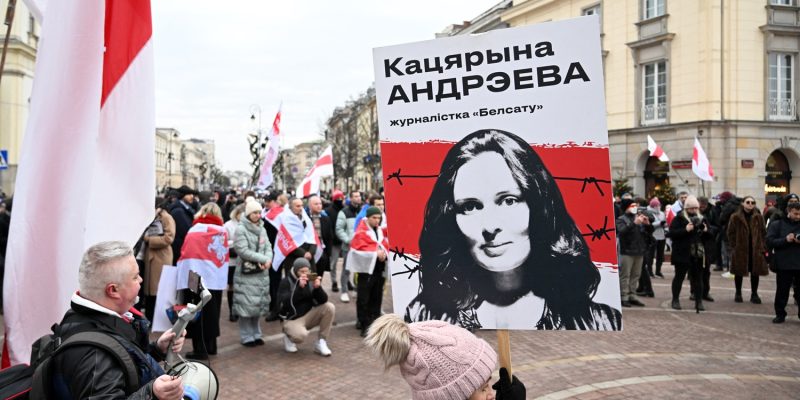
149 Journalists to Spend New Year’s Eve in Prison Across Europe as Press Freedom Concerns Deepen
January 1, 2026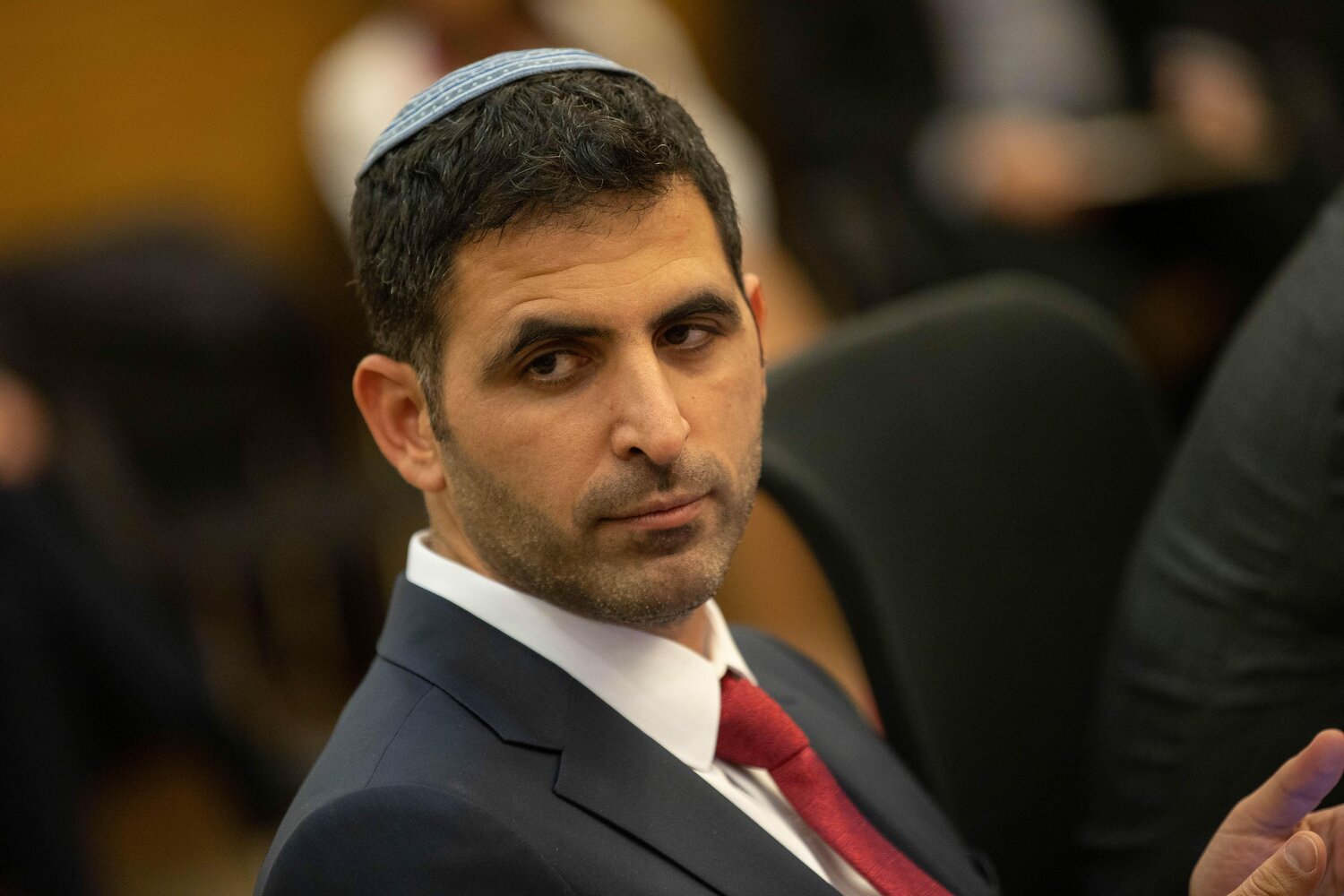
January 01, 2026 – Palestine –
An Israeli cabinet minister has announced a boycott of Channel 12 following the broadcast of leaked footage purportedly showing Israeli soldiers abusing a Palestinian detainee at the Sde Teiman military detention facility, triggering political controversy and broader debate over media coverage of alleged military misconduct. Likud lawmaker and cabinet member Shlomo Karhi criticised the station for airing the video, calling the leak unacceptable and accusing the news outlet of undermining public confidence in Israel’s security forces. Karhi and other right-wing figures characterised the broadcast as harmful to national interests, demanding greater scrutiny of media practices.
The footage at the centre of the dispute was first aired by Channel 12 in August 2024 and allegedly depicts the abuse of a Palestinian prisoner by Israeli soldiers at Sde Teiman in July 2024. The video’s release sparked immediate political fallout domestically, with some right-wing politicians and commentators dismissing the allegations as defamatory and focusing criticism on the media rather than the alleged misconduct itself. The release led to arrests of soldiers on charges of aggravated abuse and severe bodily harm, though those accused have denied wrongdoing and argued that the leak prejudiced their ability to receive a fair trial.
The controversy has grown beyond media criticism to significant political tension. Prime Minister Benjamin Netanyahu has described the leak as one of the most severe public-relations attacks Israel has faced, saying it caused “enormous reputational damage” to the country and its military, and has called for an impartial investigation into the video’s release. He has stressed the need for a balanced inquiry while denouncing the dissemination of classified material. Other government officials have engaged in legal and political debate over investigative authority and military justice processes related to the incident. Critics argue that the focus on the leak detracts from addressing the substance of the alleged abuse and risks suppressing information about detainee treatment.
The boycott announcement reflects deeper divisions within Israeli society and politics over transparency, military accountability, and the role of media in reporting sensitive security matters. Tensions persist between demands for press freedom and concerns about national security narratives, with media outlets facing pressure from political actors and segments of the public amid ongoing debate over coverage of the Gaza conflict and detainee treatment.
Reference –