Pakistani Journalist Bilal Ghauri Released After Airport Detention
February 9, 2026
Inter TV Journalists Wounded by Russian Shelling in Kramatorsk
February 9, 2026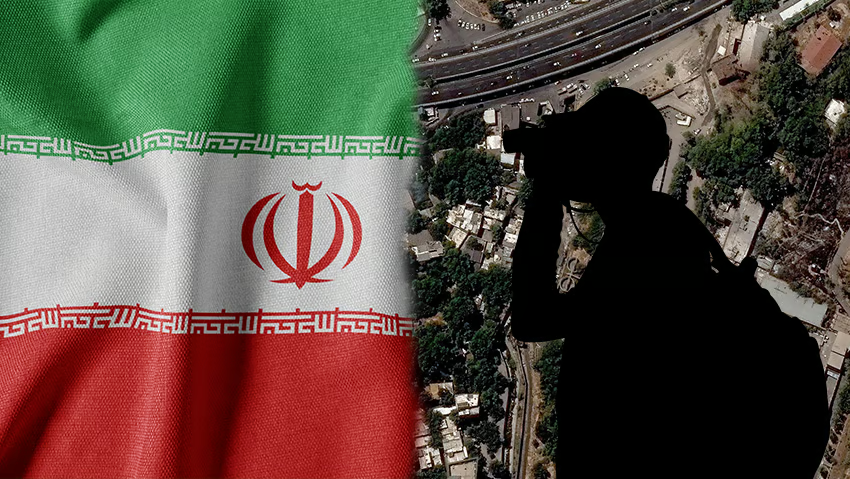
February 09, 2026 – Iran –
An independent Israeli journalist was arrested and briefly held by security authorities in Jerusalem earlier this month after approaching police with concerns that he had been contacted by individuals he believed might be linked to Iranian operatives, Israeli media reported. The arrest, which has raised questions about press freedom and national security enforcement, occurred last week and was followed by his release without charges after a court review.
According to reporting, the journalist — who holds an official press card and whose identity has been restricted under a court gag order — first reached out to the Jerusalem Police’s cyber unit after receiving unsolicited social media messages from unknown individuals asking him to take photographs of Jerusalem streets and events, including protests. Believing these approaches could signify a recruitment attempt by hostile foreign actors, he voluntarily reported the matter to authorities in January.
Instead of merely registering his concerns, investigators from the Shin Bet domestic security service and the Jerusalem District Police detained and interrogated him on suspicion of contact with a foreign agent, a serious offense under Israeli law. During questioning, he denied any wrongdoing, stating he had no certainty that his correspondents were affiliated with Iranian intelligence and explaining that receiving external requests for information or images is a commonplace aspect of journalistic work in the field.
The journalist maintained that he had declined to comply with the requests, including one offer to pay him for photographs, and repeatedly sought guidance from authorities when he felt uneasy about the contacts. Despite these assertions, police held him for several days before the case was brought before a court.
Ultimately, a Jerusalem District Court intervened — overturning a lower court’s extension of his detention and ordering his release under unspecified conditions. No formal charges have been filed, and authorities have not publicly detailed evidence supporting the initial detention. Legal advocates involved in the case described the arrest and interrogation as disproportionate, pointing out that the journalist was acting out of caution and proactively reported suspicious interactions.
The episode has underscored challenges at the intersection of national security and press freedom in Israel, particularly as tensions with Iran remain high. Security services in the country have previously detained other individuals on espionage suspicions, but the detention of a journalist who approached police of his own accord highlights concerns among media observers about how investigations into potential foreign contacts are handled when they involve members of the press.
Reference –