Israeli security forces disrupted reporting by Al Jazeera and other broadcasters at the Qalandiya checkpoint in the occupied West Bank on February 20, 2026, interrupting live coverage of Palestinians attempting to travel for the first Friday noon prayers of Ramadan. The incident has amplified longstanding concerns about press access and safety for journalists covering sensitive developments in the region’s volatile environment.
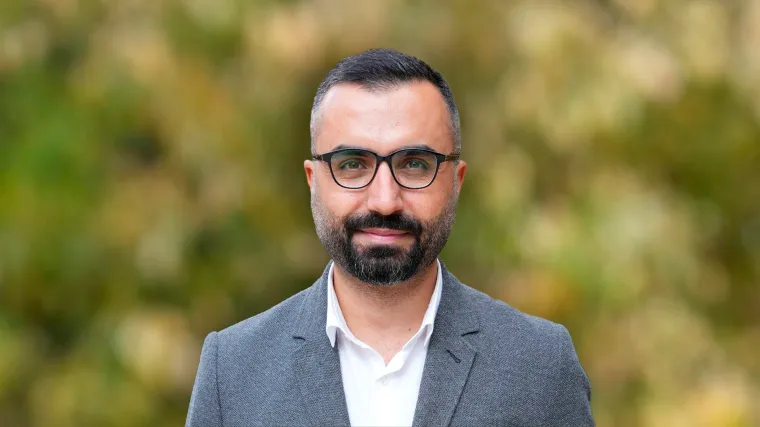
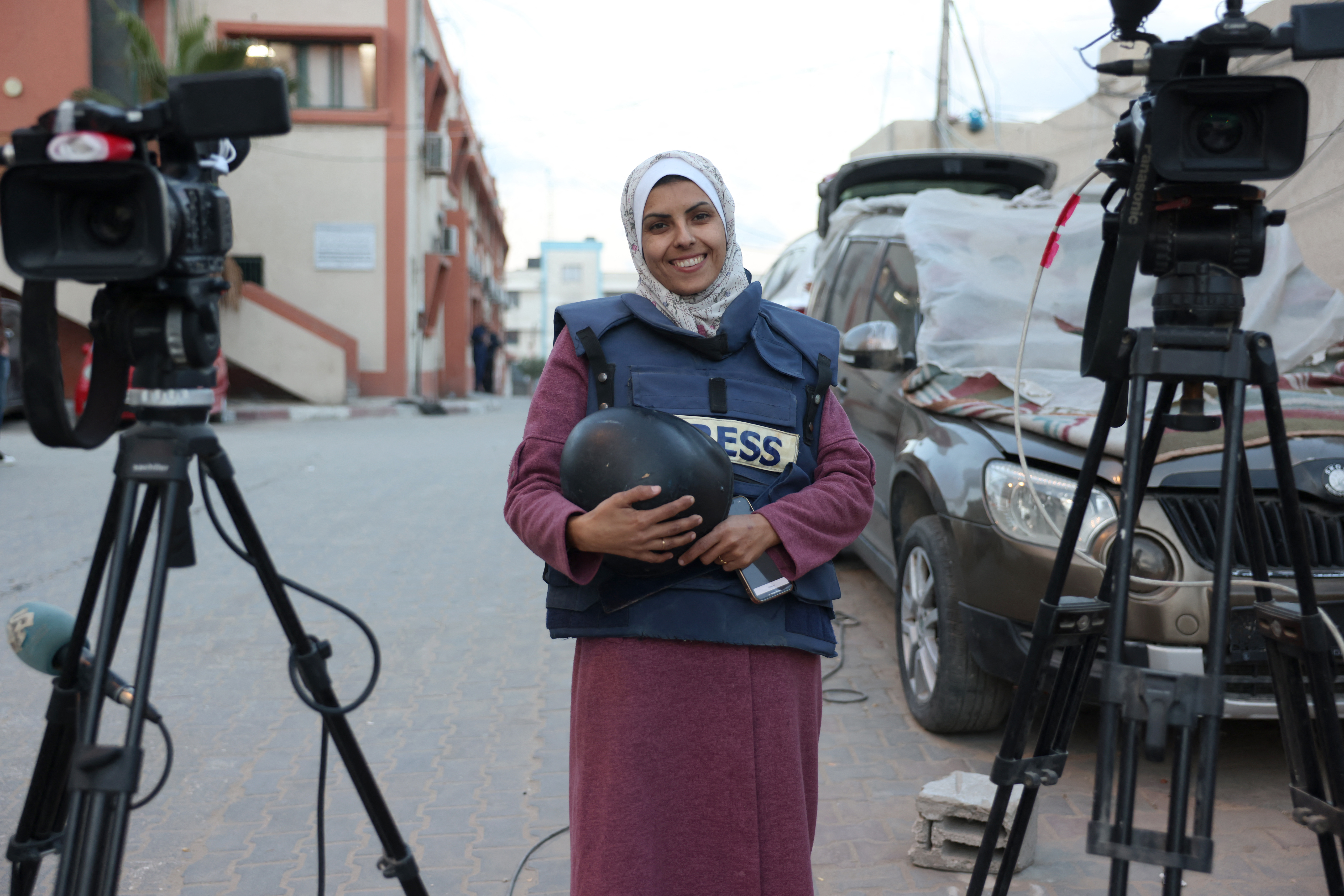
Al Jazeera correspondent Nour Odeh and her crew were on location filming crowds of worshippers bound for Al Aqsa Mosque when Israeli personnel blocked camera views and obstructed the broadcast signal. Security forces reportedly positioned themselves in ways that hindered journalists’ ability to film and report, reflecting broader patterns of interference that media organisations say impede independent coverage of events affecting Palestinian civilians.
The disruption comes amid heightened tensions tied to travel restrictions and checkpoint enforcement that have affected Palestinians’ movement to religious sites during the holy month. Journalists covering these scenes are frequently exposed to threats, obstacles, and direct interference — challenges underscored by the Qalandiya incident, which media rights groups have cited as part of a broader climate of pressure on press operations in occupied territories.
Observers note that such incidents complicate efforts by international and local media to convey real-time developments to global audiences, particularly during critical cultural and religious observances. Restricting cameras and personnel not only limits visibility of events on the ground but also raises questions about the protection of press freedom under international norms for journalists operating in conflict and occupation settings.
Press organisations and advocates have repeatedly highlighted obstacles faced by journalists throughout the Israeli-Palestinian context, from checkpoints to military operations, arguing that freedom of the press is essential for transparent reporting and accountability. The Qalandiya disruption adds to this discourse, illustrating how logistical and security measures intersect with journalistic work in ways that can curb media coverage of pivotal moments.
While Israeli authorities often frame such restrictions as necessary for security and crowd control, critics counter that they disproportionately affect the ability of reporters to document and communicate the lived experiences of communities during Ramadan and other significant periods. The event at Qalandiya has thus become another example in ongoing debates over media access and the rights of journalists in contested and militarised zones.
Reference –
https://www.aljazeera.com/video/newsfeed/2026/2/20/israeli-forces-harass-al-jazeera-reporter-journalists
https://www.theaustralian.com.au/news/israeli-forces-harass-al-jazeera-reporter-journalists/video/4bd3ea63599cf0f64f6bba832fb655b7