Israeli Soldiers Assault CNN Crew in West Bank, Prompting Battalion Suspension
March 30, 2026
Cambodian Journalists Face 14-Year Sentences as Press Freedom Groups Demand Release
March 30, 2026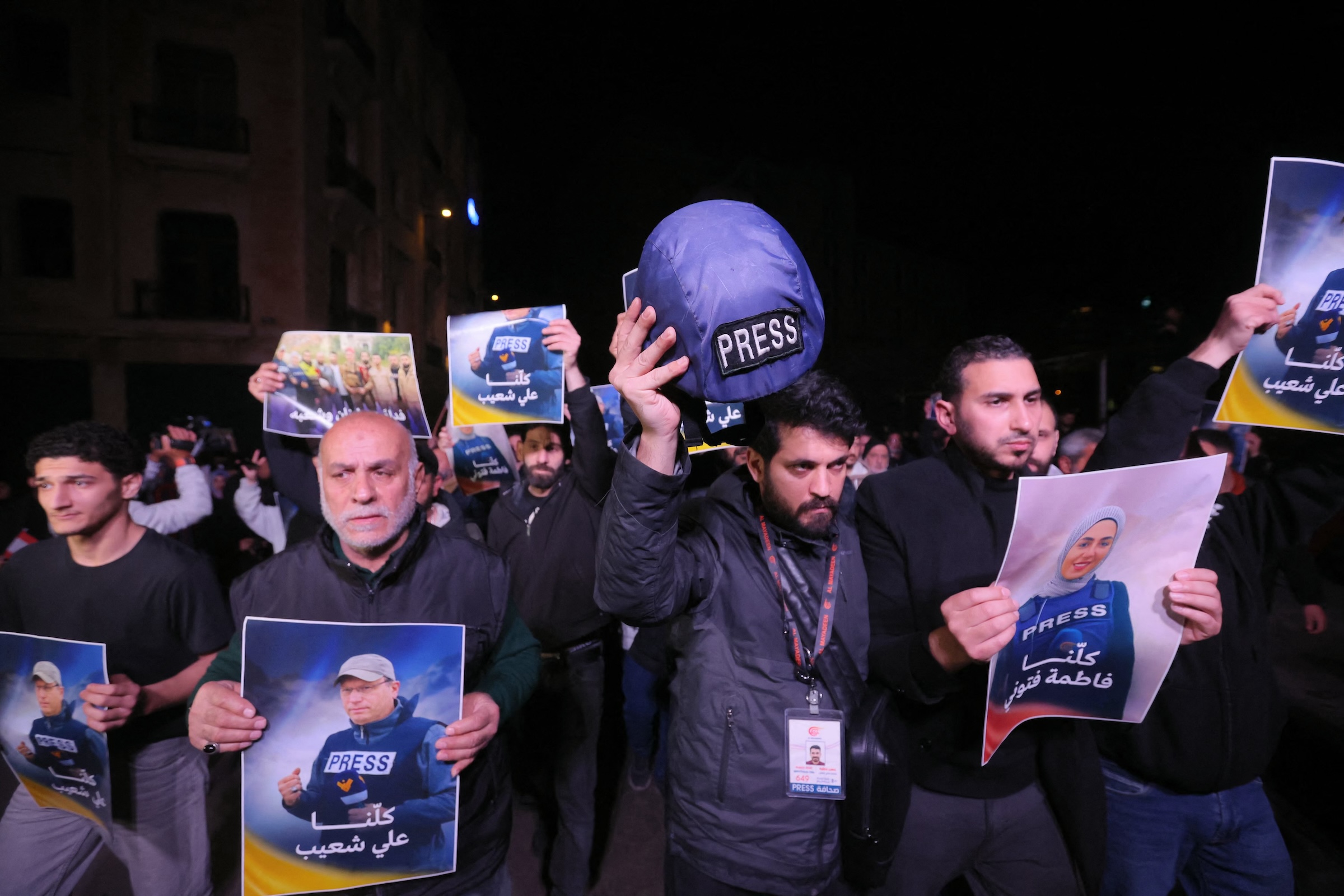
March 30, 2026 – Lebanon –
Israel’s military has acknowledged that it altered an image used to support claims that a Lebanese journalist killed in a recent airstrike was affiliated with Hezbollah, prompting renewed scrutiny over misinformation and the targeting of media workers during conflict.
The controversy centers on Ali Shoeib, a veteran correspondent for Al-Manar TV who was killed in an Israeli strike in southern Lebanon. Following the attack, Israeli officials asserted that Shoeib was a member of Hezbollah’s elite Radwan force and circulated what appeared to be visual evidence showing him in military attire.
However, subsequent reporting revealed that the image had been digitally manipulated. The Israeli military later acknowledged that the photograph had been altered, undermining the credibility of its initial claims and raising broader concerns about the use of misleading or fabricated material to justify lethal actions.
According to investigations and media reports, the altered image was disseminated through official channels as part of an effort to portray the journalist as a combatant rather than a civilian. Experts in disinformation warned that such practices risk eroding trust in official statements and may contribute to the normalization of attacks on journalists by framing them as legitimate military targets.
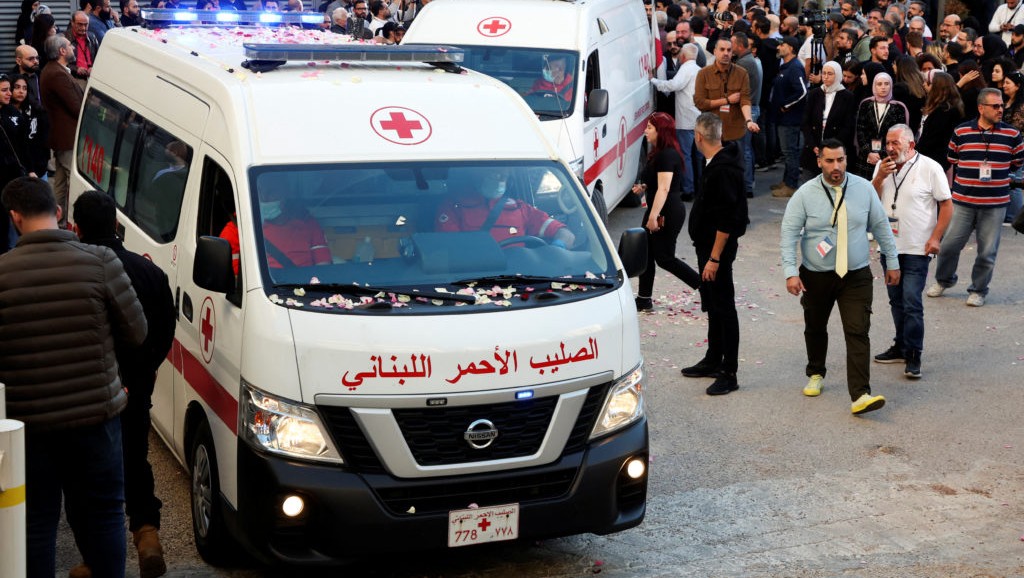
The incident occurred in the aftermath of an Israeli airstrike that killed three journalists near the southern Lebanese town of Jezzine. While Israel maintained that Shoeib was the intended target, it did not provide verifiable evidence to support claims of militant affiliation at the time of the strike.
Press freedom advocates and legal experts have stressed that, under international humanitarian law, journalists are considered civilians and are protected from attack regardless of their employer or perceived political alignment. The circulation of altered imagery in this context has intensified concerns that narratives are being constructed post hoc to justify actions that may otherwise face legal and ethical challenges.
The case has become a focal point in broader discussions about the role of information warfare in modern conflicts, where digital manipulation, propaganda, and contested narratives increasingly shape public understanding of events on the ground.
For media watchdogs, the admission marks a troubling development, suggesting that beyond the physical dangers of war reporting, journalists may also face reputational targeting through misinformation campaigns that attempt to recast them as participants in the conflicts they are covering.
Reference –
https://www.newarab.com/news/israel-admits-photshopping-image-slain-lebanese-journalist
https://www.abc.net.au/news/2026-03-30/idf-misinformation-on-lebanese-journalist/106511282
Israel Admits It Used Faked Photo to Say Slain Journalist Was Part of Hezbollah