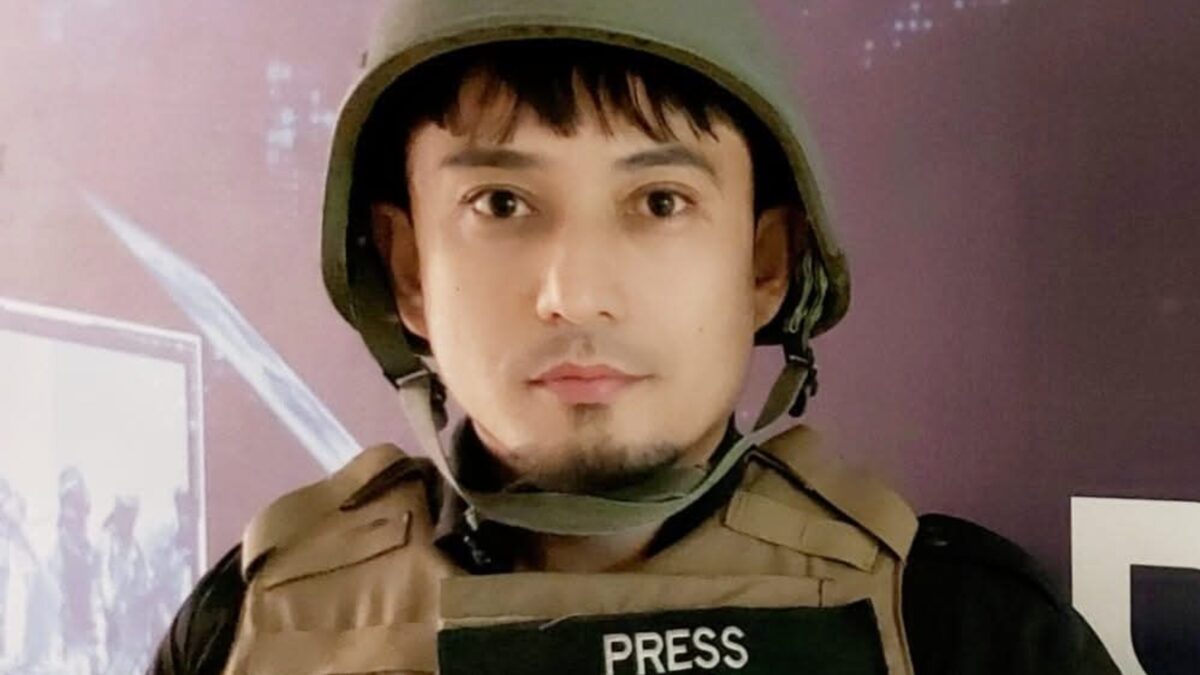
Pakistani Authorities Detain Afghan Journalist in Islamabad Amid Migrant Crackdown
February 2, 2026
Search for Journalist Savannah Guthrie’s Mother Intensifies as Authorities Treat Disappearance as Potential Crime
February 3, 2026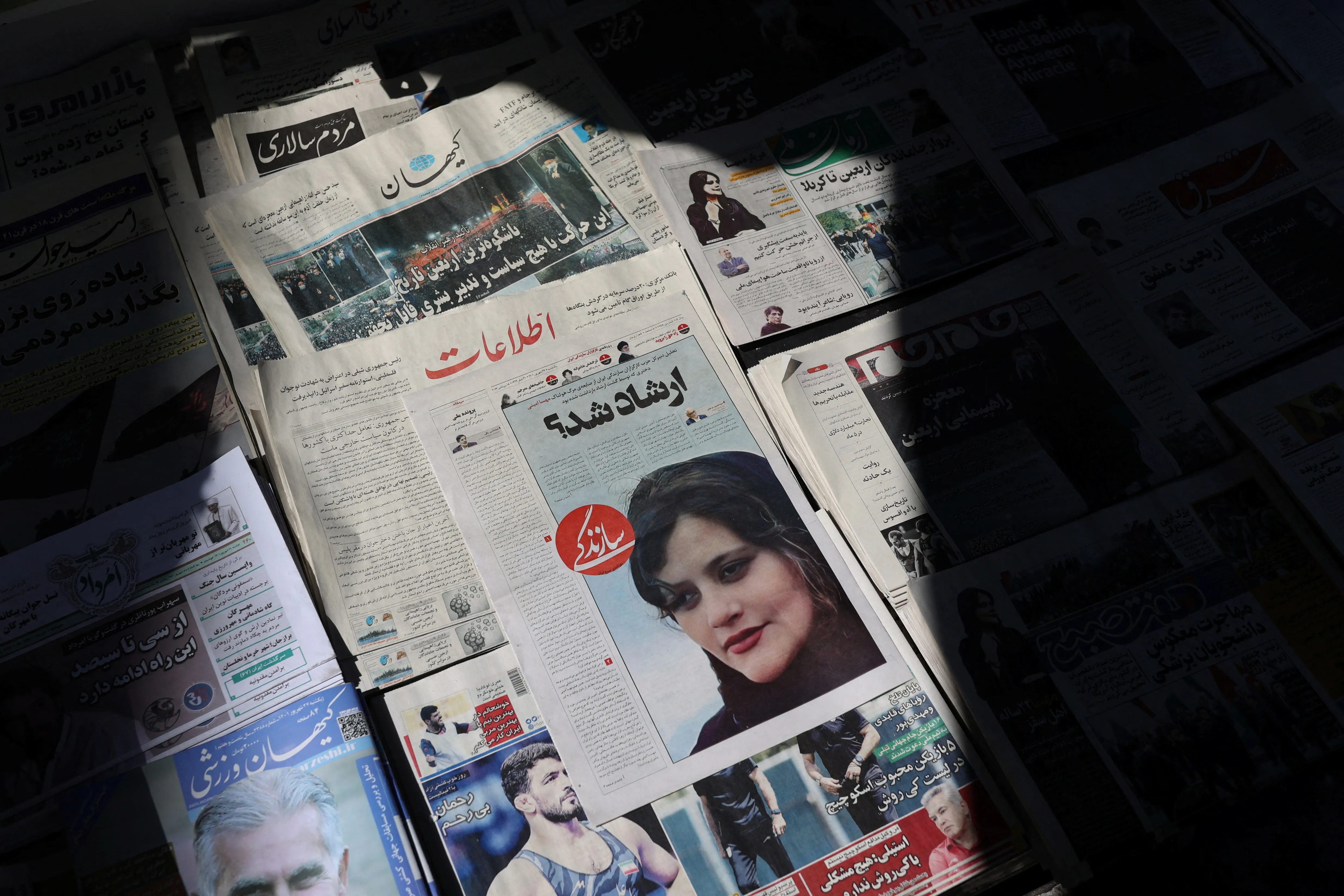
February 02, 2026 – Iran –
Iranian intelligence agencies and the Islamic Revolutionary Guard Corps (IRGC) have recently summoned and threatened the families of exiled Iranian journalists and activists in an apparent effort to deter independent reporting and suppress dissent abroad. Rights groups report that relatives were warned to urge their family members to stop their media work or face serious restrictions and consequences, underscoring Tehran’s expanding campaign to stifle criticism beyond its borders.
The move comes against a backdrop of unprecedented nationwide protests that erupted in late December 2025 over economic hardship and government repression. Iranian authorities have responded with a violent crackdown, widespread arrests, and communication blackouts that rights advocates say reflect one of the most severe assaults on civic freedoms in decades. Observers estimate tens of thousands of deaths and mass detentions as Tehran seeks to deter further unrest.
According to recent reporting, the Intelligence Ministry and IRGC intelligence units have contacted relatives of journalists living abroad — many of whom work for Persian-language outlets such as Iran International — and warned that continued criticism could trigger punitive actions against their families inside Iran. The alleged threats are part of a broader pattern of harassment against media workers and their networks.
International rights organisations, including the Committee to Protect Journalists (CPJ), have previously highlighted Iran’s longstanding efforts to intimidate and detain reporters covering protests and dissent. Earlier in the month, CPJ said Iranian security agencies had summoned and threatened journalists within Iran as part of a strategy to silence independent coverage during the turmoil.
The crackdown has also involved internet shutdowns and severe restrictions on digital communication, limiting the ability of domestic and foreign press to report on events inside the country. Humanitarian groups have described the blackout as a deliberate measure to conceal patterns of abuse and lethal force used against protesters.
Analysts and press freedom advocates warn that targeting journalists’ family members abroad represents a form of transnational repression that could chill critical media coverage and undermine international reporting on human rights conditions in Iran. They have urged global institutions and democratic governments to condemn these tactics and demand the protection of journalists and their families from political intimidation.
As the situation evolves, the Iranian government has not publicly addressed the allegations, and many exiled journalists continue to work under threat while documenting the country’s ongoing unrest and political tensions.
Reference –