Gaza Again Named the World’s Deadliest Place for Journalists in 2025, RSF Report Finds
December 9, 2025
UN Agency Warns of Rising Violence Against Women Journalists and Activists Linked to Online Abuse
December 9, 2025
December 09, 2025 – Iran –
Iran has been identified as one of the world’s leading jailers of journalists, according to the 2025 annual press-freedom report by Reporters Without Borders (RSF), which highlights a broader global crackdown on independent media. The findings paint a grim picture of repression, arbitrary arrests, and judicial harassment that have made reporting in Iran increasingly perilous.
RSF’s annual data shows that Iran ranks among the top 10 countries globally for imprisoning journalists, with 21 media workers currently behind bars and at least one journalist classified as forcibly disappeared. In addition to detentions, Iran also contributes significantly to the number of exiled journalists, reflecting widespread pressure on independent reporting both inside the country and beyond.
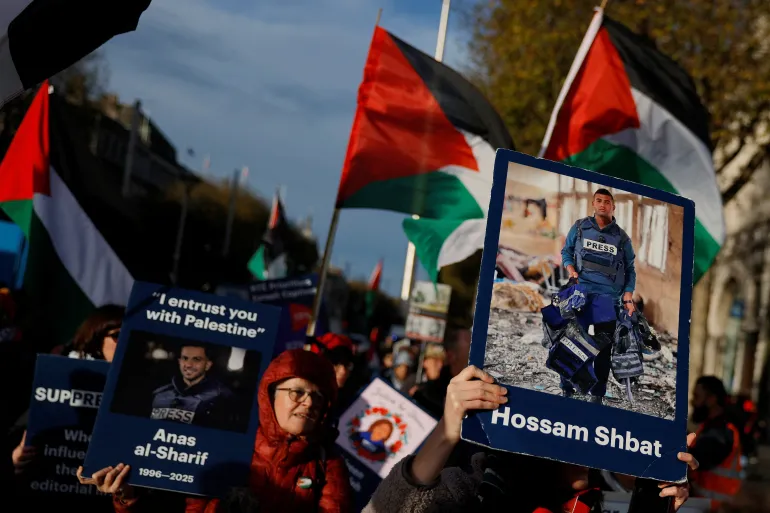
The report’s global overview underscores how sharply press freedom has deteriorated worldwide: hundreds of journalists have been detained, dozens killed, and many more are missing or held hostage. According to RSF, these figures include journalists targeted in war zones and repressive states, but Iran’s position is especially notable given the breadth of judicial actions taken against its press corps.
Within Iran, systematic repression has been well documented by media-rights monitors. Independent journalists routinely face arbitrary arrests, criminal charges, and heavy prison sentences on charges ranging from “spreading false information” to alleged threats against national security — even when their work simply involves covering protests or interviewing citizens. Such actions are part of a wider pattern aimed at suppressing dissent and controlling information in a tightly regulated media environment.
Beyond imprisonment, Iranian journalists have also been subject to digital and physical intimidation, surveillance, and legal pressure designed to force self-censorship or exile. In some cases, authorities have even threatened family members of dissident reporters abroad, further stifling critical journalism and creating a climate of fear.
Press-freedom advocates argue that Iran’s extensive use of punitive laws and security court procedures amounts to a broader strategy to silence dissent — a claim reinforced by the RSF report’s ranking and detailed documentation. With global pressures mounting and international bodies increasingly drawing attention to these violations, the situation of journalists in Iran remains a key barometer of global press repression.
As detainees remain behind bars and independent reporting continues to be imperiled, rights groups are calling for urgent international engagement to protect journalists and challenge impunity for abuses against the press.
Reference –