An Indian journalist who recently left Israeli-controlled areas has alleged that strict military censorship significantly limits reporting on damage caused by Iranian missile strikes, raising questions about transparency during the ongoing regional conflict.
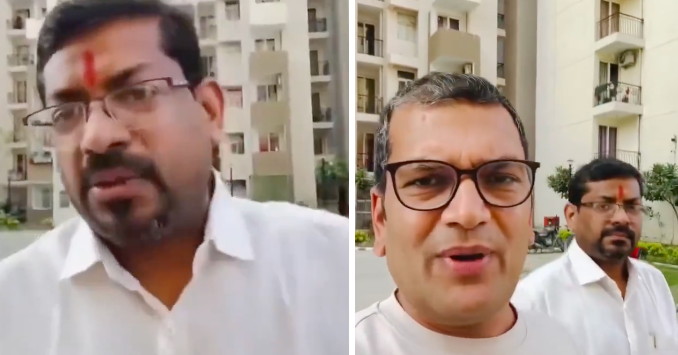
Braj Mohan Singh, a reporter for the Indian outlet Sandha News, said he was stranded in the area between 28 February and 6 March 2026 while covering escalating hostilities between Israel and Iran. After leaving, Singh described what he characterized as tight restrictions on journalists’ ability to document the aftermath of attacks and verify official information.
According to Singh, reporters in the region face multiple limitations imposed by Israeli authorities. He said journalists are not permitted to photograph bodies, film sensitive damage sites, or visit hospitals to confirm casualty figures, making it difficult to independently assess the human impact of missile strikes.
Singh also claimed that official casualty numbers released by authorities sometimes differ from accounts provided by residents. He said witnesses in affected areas described higher numbers of deaths and injuries than those reflected in official statements, but journalists were unable to independently verify those claims because of the restrictions.
The journalist further described the dangers faced by civilians during the escalation. According to his account, some missile strikes caused fatalities even inside deep underground shelters, which are typically considered among the safest locations during attacks. He said the intensity of the strikes and the limited warning time in certain incidents contributed to casualties despite the use of protective bunkers.
Singh argued that these reporting limitations create what he described as an “information gap,” where journalists rely heavily on official statements rather than independent observation. He said the restrictions prevent reporters from fully documenting the scale of destruction or the human toll of the conflict.
The situation reflects broader challenges journalists face while covering active military confrontations. During wartime, governments often impose restrictions on reporting for security reasons, particularly when live broadcasts or photographs could reveal strategic locations or sensitive infrastructure.
Media analysts note that such restrictions can complicate independent reporting from conflict zones. While authorities may argue that censorship protects operational security, journalists and press freedom advocates warn that limiting access to information can also hinder the public’s ability to understand the true impact of ongoing military operations.
Singh’s account has added to ongoing debates about the balance between national security concerns and the need for transparent reporting during periods of armed conflict.
Reference –
https://www.presstv.ir/Detail/2026/03/07/765056/Indian-journalist-reveals-severe-Israeli-censorship-after-escape-from-occupied-territories
https://www.palestinechronicle.com/indian-journalist-says-israeli-censorship-hides-damage-from-iranian-strikes/