An Indian journalist who recently left Israeli-controlled areas has alleged that strict censorship and reporting restrictions severely limited the ability of journalists to document events on the ground during the escalating conflict in the region.
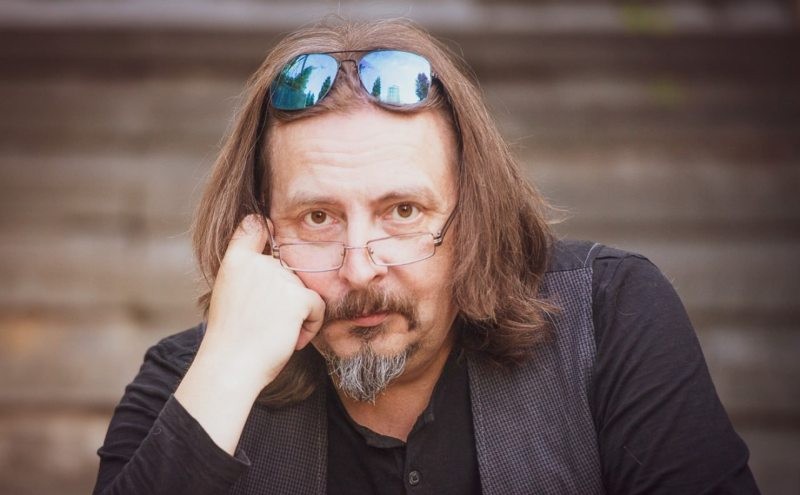
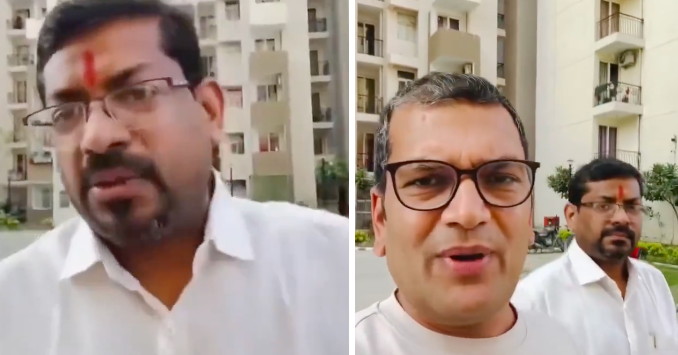
Braj Mohan Singh, a reporter with the Indian outlet Sandha News, said he was trapped in the area between 28 February and 6 March 2026 while covering developments linked to the intensifying confrontation between Israel and Iran. After leaving the territory, Singh described what he said were significant obstacles to independent reporting imposed by Israeli authorities.
According to Singh, journalists operating in the area faced strict limitations on filming and movement. He claimed reporters were prohibited from photographing bodies or casualties, denied access to hospitals, and often prevented from obtaining accurate information about the locations and scale of attacks.
Singh also said that official casualty figures provided to journalists sometimes appeared inconsistent with accounts from residents. In several cases, he said, authorities initially reported minimal casualties following strikes, while witnesses described much more extensive damage and loss of life.
The journalist described witnessing the impact of missile attacks during the escalation, including incidents where shelters failed to protect residents from explosions. He said that in some cases, people were killed even inside deep underground bunkers, highlighting the intensity of the strikes and the unpredictable nature of the attacks.
Singh also noted that warning systems sometimes failed to provide sufficient time for civilians to take shelter. According to his account, some incoming missiles or drones arrived without audible alerts or warning, raising concerns among residents about the reliability of defense systems.
Beyond the physical dangers of reporting in a war zone, Singh emphasized that the restrictions on journalists made it difficult to verify information independently. He said reporters were often unable to film damage sites immediately after attacks or confirm casualty figures, creating an environment in which official statements dominated the flow of information.
His comments come amid heightened tensions across the region following military strikes and retaliatory attacks involving Israel, Iran, and other actors. The ongoing conflict has significantly complicated media coverage, with journalists facing both security risks and reporting restrictions while attempting to document developments.
Press freedom observers note that wartime conditions often lead governments to impose limits on media access for security reasons. However, such restrictions can also hinder independent verification of events and limit the public’s access to accurate information during periods of conflict.
Reference –
https://www.presstv.ir/Detail/2026/03/07/765056/Indian-journalist-reveals-severe-Israeli-censorship-after-escape-from-occupied-territories