The Government of India has taken steps to restrict access to the news website Middle East Eye within the country following controversial social media posts by one of the outlet’s journalists about the Israel–Palestine conflict, according to official and media reports. The move — framed by authorities as addressing content that “threatens public order” — has sparked debate over digital censorship and press freedom, particularly in contexts involving international commentary on sensitive geopolitical issues.
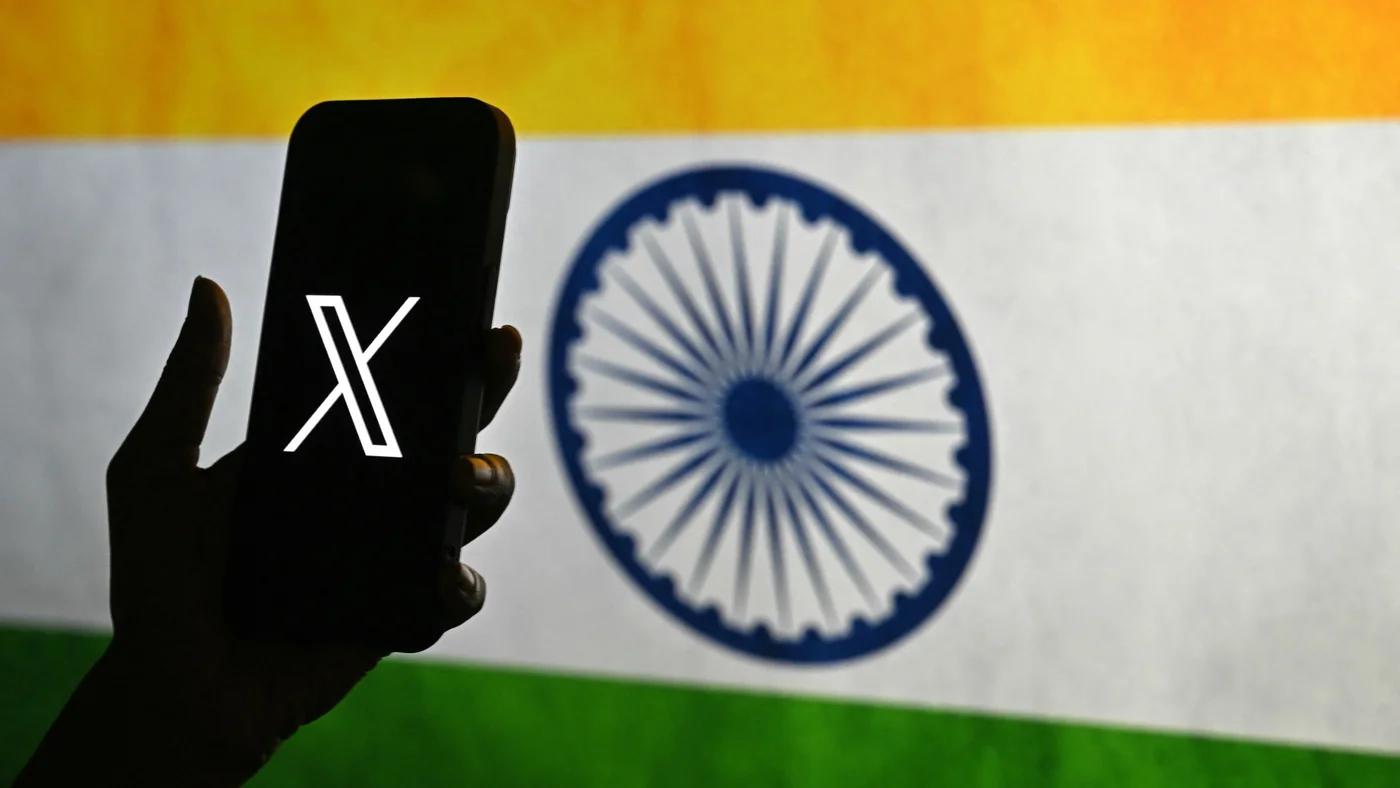
In formal orders issued in late February 2026, Indian internet service providers were instructed to block access to certain pages or the entire domain of Middle East Eye on the basis that some published material was believed to incite communal tensions or undermine public peace. The specific content in question reportedly stems from posts by the outlet’s journalist Sara Shams, whose commentary on X (formerly Twitter) included sharp criticism of Indian government policies perceived as aligned with certain foreign state actors. While the government’s order did not single out Ms. Shams by name, sources familiar with internal directives indicate that her posts were a central catalyst for the restrictions.
Ministry officials told local media that the digital block was implemented under India’s existing information technology framework, which permits the government to order the removal or restriction of content deemed harmful to national security or public order. Such orders are typically issued under Section 69A of the Information Technology Act, which empowers authorities to curb access to online material in the public interest. Government spokespeople asserted that the blocked posts were linked to Middle East Eye’s reporting and social commentary that could “inflame communal fault lines” and thus necessitated a temporary restriction pending review.
Middle East Eye strongly condemned the move, calling it an “unwarranted act of digital censorship” and saying that the outlet’s reporting adheres to internationally recognised journalistic standards. In a statement, editorial leaders said the restrictions raise serious free-speech implications, especially when applied to internationally distributed media whose coverage includes perspectives on global conflicts and diplomatic relations. The outlet also made clear that blocking access does not prevent Indian readers from accessing the site via alternative technological means, such as virtual private networks (VPNs).
Press freedom advocates and digital rights organisations within India have criticised the government’s action as disproportionate and capable of creating a chilling effect on media consumption and civic discourse. Critics argue that restricting access to an entire media platform because of individual posts blurs the lines between legitimate regulatory oversight and broad content censorship, particularly when platforms publish a wide range of material beyond the contested commentary.
The episode arrives amid heightened global sensitivities over media coverage of the Israel–Palestine conflict, and reflects broader debates in India about digital governance, online speech, and how governments balance national security concerns with constitutional protections for expression and press freedom.
Reference –
https://www.trtworld.com/article/2469b3d0d527
https://www.middleeasteye.net/news/india-moves-block-middle-east-eye-journalist-x