
Ukrainian Journalist and Environmentalist Vladyslav Balinskyi Placed on Russia’s International Wanted List
February 3, 2026
Masked Protesters Assault RAI TV Crew During Violent Turin Clashes
February 3, 2026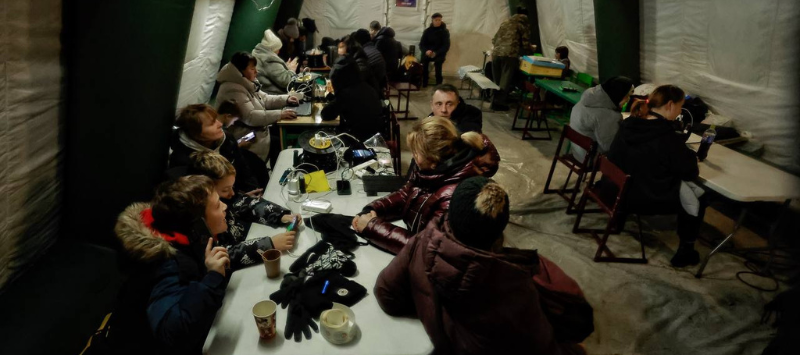
February 03, 2026 – Ukraine –
Journalists in Ukraine’s capital are maintaining rigorous reporting despite widespread power, heating, and water outages, extreme winter temperatures, and ongoing Russian strikes targeting critical infrastructure — challenges that have reshaped everyday newsroom operations and underscored the vital role of independent media in wartime.
Since late January 2026, repeated Russian drone and missile strikes on energy facilities have forced mass blackouts across Kyiv and other regions, leaving homes and workplaces without electricity and central heating for extended periods. Temperatures have fallen well below freezing — often below −20°C — compounding the hardship for both civilians and journalists trying to cover frontline and civic developments. Authorities have described these attacks as attempts to exploit winter conditions and weaken national morale.
Reporters describe prolonged outages — in some cases lasting more than a week — during which they have worked without light, heating, or reliable internet access. Many newsrooms have adapted by running on limited generator power to keep essential equipment online, but continuous operations are constrained; some stations can operate only a few hours at a time under battery or generator support. Emergency “power saving” modes have become standard, reducing transmission hours or rotating staff to manage available energy.
The absence of electricity also affects communications and multimedia reporting. Journalists have had to prioritise portable battery packs and satellite connectivity, while media outlets coordinate with volunteer networks and Journalists’ Solidarity Centers to share resources, charge devices, and redistribute power where possible. These efforts help sustain coverage even when regular infrastructure fails.
Water supply interruptions add another layer of difficulty. In many parts of the city, the automatic shut-off of pumps during blackouts cuts access to running water, forcing reporters and residents alike to find alternate sources. These conditions reflect broader challenges facing Kyiv’s population, where residents have resorted to emergency heating tents, community support points, and fuel-powered cooking and charging stations to endure the cold.
Despite these obstacles, Ukrainian journalists continue to provide real-time updates on the war, civilian hardship, and government responses, emphasising both situational awareness and community resilience. Their work highlights how critical media functions adapt under sustained attack on infrastructure, turning adversity into reporting that informs both national audiences and international observers about Ukraine’s struggle to withstand not only military offensive operations but also tactical strikes aimed at basic utilities.
The persistence of coverage amidst adversity illustrates the evolving resilience of Ukraine’s press — operating in conditions where “normal life has disappeared,” yet information flows remain essential to public understanding and democratic accountability.
Reference –