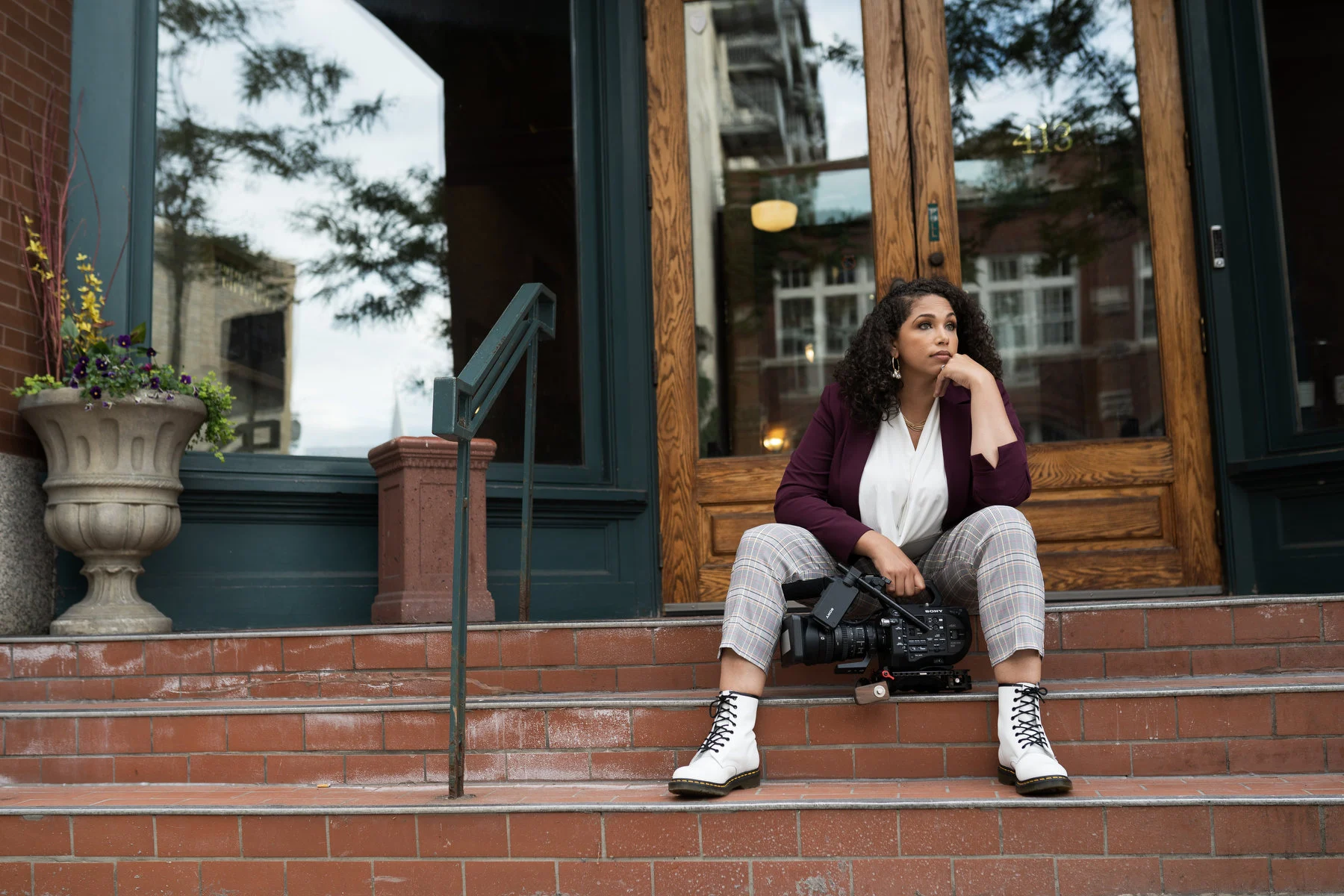
Independent journalist Georgia Fort has spoken openly about the emotional toll her federal arrest in Minnesota has taken on her young family, sparking broader debate about press freedom and the personal costs of covering contentious public events. Fort was taken into custody on January 30, 2026, after reporting on a protest at Cities Church in St. Paul, where demonstrators challenged the role of a pastor also serving as an Immigration and Customs Enforcement (ICE) official. The arrest, which Fort livestreamed from her home as federal agents arrived, drew national attention and raised concerns about the treatment of journalists covering protests.
In the video she streamed, Fort expressed fear for her children’s well-being, saying, “My children are here” as agents surrounded her home in the early morning hours. The experience, she said, was deeply frightening for her family, particularly her daughters, who were present during the law enforcement operation.
Fort’s older daughter later spoke to reporters, emphasising that her mother was a journalist – “not a protester or an activist” – and that she was documenting events as part of her work to inform the public. She described the arrest as unjust and said it had disrupted their family life, leaving her younger siblings “without a mom” at home after Fort was taken into custody. The family called for her immediate release and argued that the charges undermine constitutional protections for reporters.
Shortly after Fort’s arrest, she and fellow journalist Don Lemon were released on personal recognisance bond; both have pleaded not guilty to charges tied to their presence at the January 18 protest. Legal advocates and press freedom groups argue that prosecuting journalists for documenting events of public interest could chill newsgathering and violate First Amendment rights, while federal authorities contend the case involves alleged interference with religious worship protected under the Freedom of Access to Clinic Entrances (FACE) Act.
The episode has not only reignited debates over the boundaries of press freedom and federal enforcement but also highlighted the immediate personal impact such legal actions can have on journalists’ families, particularly when children are present during high-profile arrests.
Reference –
https://www.essence.com/news/georgia-fort-journalist/
‘My children are here’: How journalist Georgia Fort’s arrest impacted her daughters
https://19thnews.org/2026/02/journalist-georgia-fort-arrest-impact-children/