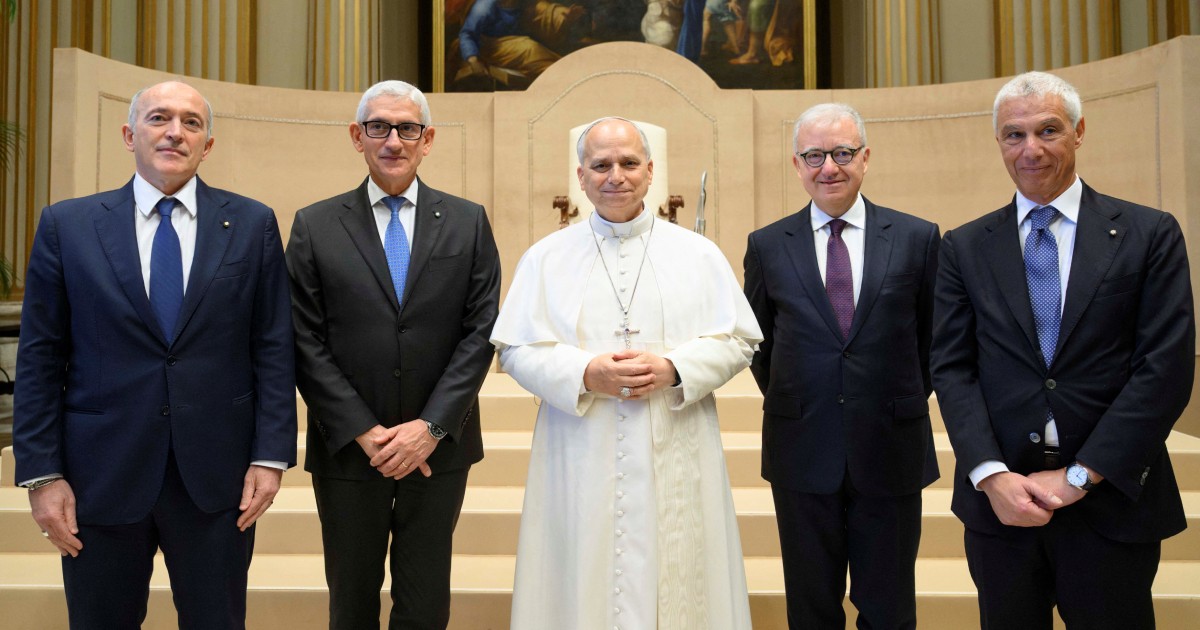
Pope Urges Italian Intelligence Services Not to Smear Journalists or Politicians
December 12, 2025
RSF and Journalism Groups Urge Urgent Protection for Journalists in Eastern DR Congo
December 12, 2025
December 12, 2025 – China –
A Hong Kong court is expected to deliver a highly anticipated verdict next week in the national security trial of Jimmy Lai, the imprisoned media tycoon and outspoken critic of Beijing, in a case widely seen as a defining test of press freedom and judicial independence in the city.
Lai, the founder of the now-defunct pro-democracy newspaper Apple Daily, has been on trial under Hong Kong’s sweeping national security law, which was imposed by China in 2020 following mass pro-democracy protests. Prosecutors accuse Lai of colluding with foreign forces and conspiring to publish seditious materials through his media outlets. He has denied the charges, arguing that his actions constituted legitimate journalism and political expression.
The verdict, expected on Monday, comes after months of hearings in which prosecutors presented articles, opinion columns, and interviews as evidence of alleged threats to national security. Defense lawyers countered that the case criminalizes routine journalistic work and peaceful advocacy, warning that a guilty verdict would further erode media freedom in Hong Kong.
Lai, 77, is already serving multiple sentences related to earlier convictions over protest-related offenses. If found guilty in the national security case, he could face a life sentence, making the outcome particularly consequential for both Lai and the broader press-freedom landscape in the territory.
International press-freedom organizations, including the Committee to Protect Journalists, have closely monitored the trial, describing it as emblematic of a broader crackdown on independent media in Hong Kong. Since the closure of Apple Daily in 2021 following a police raid and the freezing of its assets, dozens of journalists and editors have faced arrests, prosecution, or exile.
Governments and rights groups worldwide have repeatedly called for Lai’s release, arguing that his prosecution violates international human-rights standards protecting freedom of expression and the press. Beijing and Hong Kong authorities, however, maintain that the national security law is necessary to restore stability and that press freedom remains protected within legal boundaries.
As the verdict approaches, analysts say the case has become a bellwether for Hong Kong’s future as an international media hub. A conviction could reinforce fears that critical journalism and dissenting voices are no longer tolerated under the current legal framework, while further discouraging independent reporting in the city.
For journalists in Hong Kong and beyond, the ruling is expected to send a powerful signal about the risks of reporting critically on authorities in one of Asia’s most closely watched jurisdictions.
Reference –