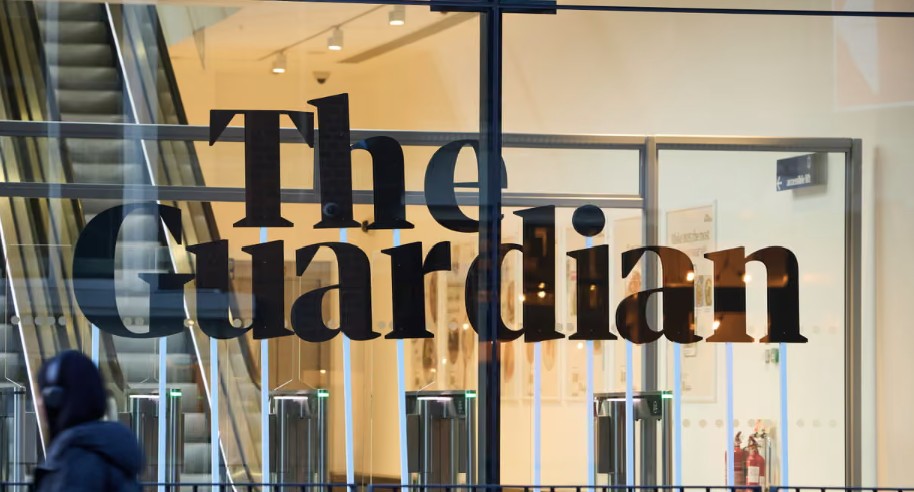
An investigation by The Guardian has revealed that a senior lobbyist who produced a controversial report for the British political thinktank Labour Together allegedly sought information on a journalist from The Guardian as part of research into media figures who had criticised or reported on the organisation’s funding and activities. The disclosures add new dimensions to an ongoing political controversy that has drawn scrutiny from both press freedom advocates and UK lawmakers.
At the centre of the issue is Labour Together, a London-based thinktank closely tied to the Labour Party and instrumental in strategy during the party’s rise to power ahead of the 2024 general election. In 2023, while then-director Josh Simons led Labour Together, the organisation commissioned a £36,000 report by U.S. public affairs firm APCO Worldwide intended to investigate the “sourcing, funding and origins” of a November 2023 Sunday Times story that disclosed more than £730,000 in undeclared political donations to Labour Together.
The 58-page APCO report — whose existence became public this month — did more than examine funding sources. It included unverified claims about the backgrounds, beliefs, and affiliations of journalists from The Sunday Times, The Guardian, and other outlets, labelling some as “significant persons of interest” in relation to the articles they had published. Among the journalists examined was Henry Dyer, an investigations correspondent at The Guardian, about whom APCO’s senior director reportedly made inferences without substantiated evidence.
Critics argue that the APCO work crossed a line from legitimate research into journalists’ methods to intrusive probing of their personal and ideological profiles. Press freedom advocates and politicians from multiple parties have criticised both the commissioning of the APCO report and the subsequent sharing of its contents with officials, including journalists’ names and unfounded claims about their links to foreign influences.
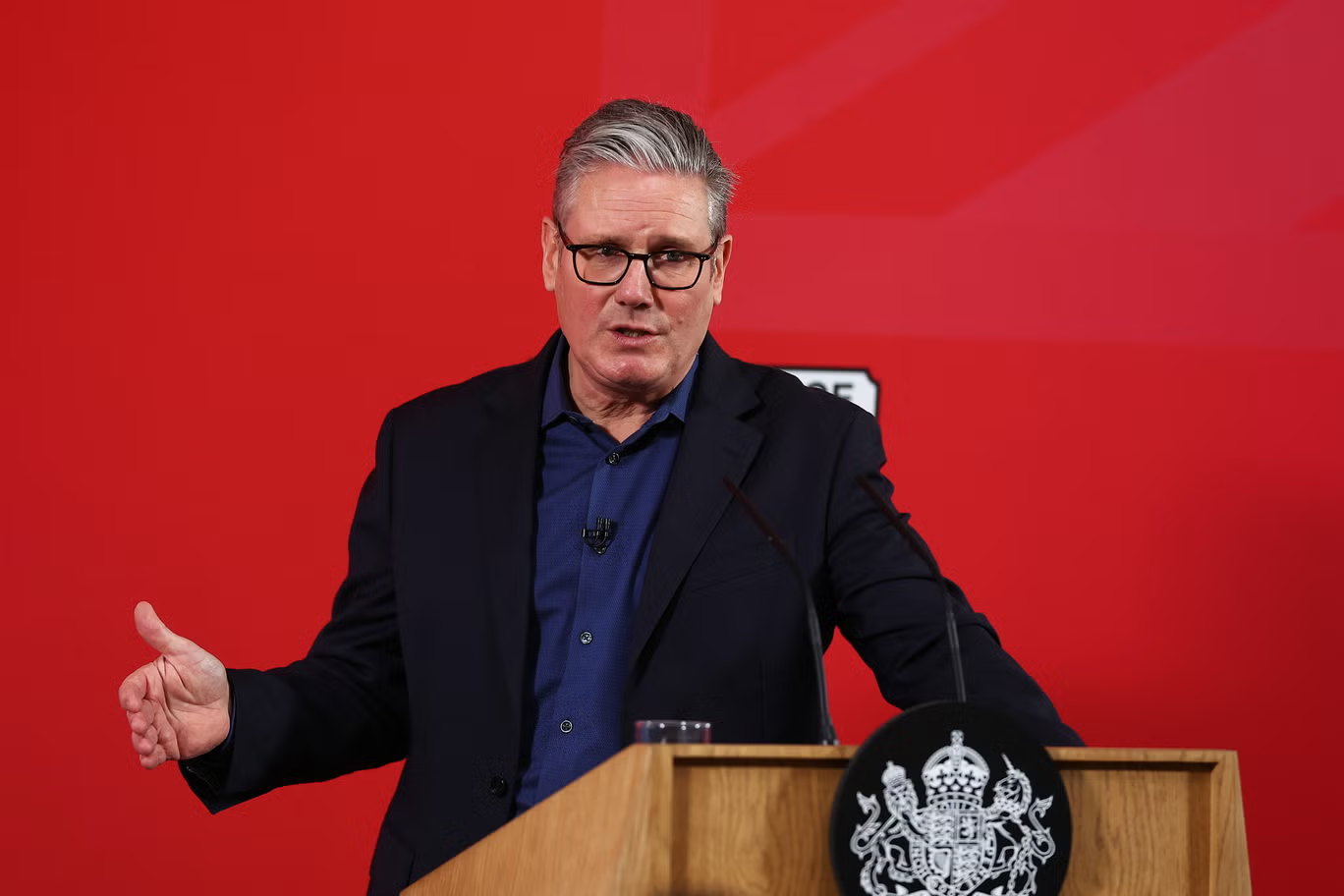
The controversy has triggered official responses at the highest levels of the UK government. Prime Minister Keir Starmer has reportedly asked the Cabinet Office’s propriety and ethics team to investigate how APCO’s research was compiled and handled, particularly given that Simons is now a Cabinet Office minister. Simons has defended himself, stating that the APCO work was intended to explore sourcing questions related to a suspected data breach and that he was surprised by parts of the report that he says went beyond what was asked for.
The unfolding inquiry underscores broader concerns about the relationship between political organisations, media reporting, and the use of private research firms to gather information on journalists — a practice that critics warn risks chilling independent journalism and undermining public trust in transparent political communication.
Reference –
https://www.theguardian.com/politics/2026/feb/22/lobbyist-apco-report-thinktank-labour-together-guardian-reporter