
Nigerian Media Groups Demand Apology After Minister Wike’s “Shoot” Remark Sparks Press Freedom Concerns
April 7, 2026
Trump Threatens to Jail Reporter Over Iran Airman Rescue Coverage, Escalating Attacks on Press Freedom
April 7, 2026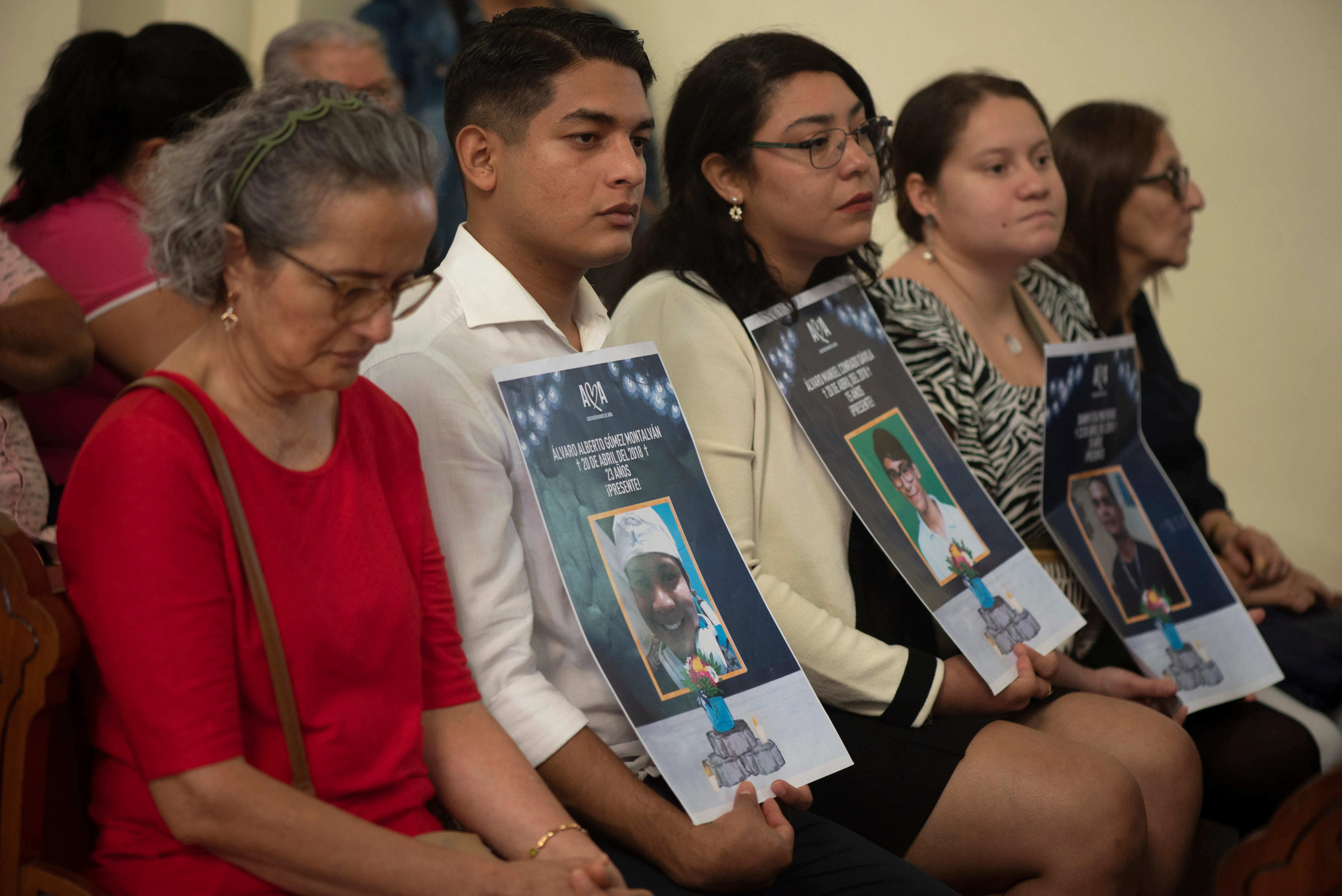
April 07, 2026 – General –
Journalists around the world are facing a growing and alarming form of pressure as authorities increasingly target their families in an effort to silence independent reporting, according to recent findings by Reporters Without Borders and partner organizations.
The reports highlight a systematic trend in which governments and repressive actors extend intimidation beyond journalists themselves, focusing instead on their relatives through a range of coercive tactics. These include threats, arrests, kidnappings, raids, surveillance, administrative harassment, and even sexual blackmail, all aimed at forcing journalists to halt their work or self-censor.
According to the findings, such practices have been documented across multiple regions, including countries such as Iran, China, Azerbaijan, El Salvador, and Guinea, as well as in Russian-occupied areas of Ukraine. The strategy is used both domestically and transnationally, affecting journalists working in exile as well as those reporting within their home countries.
One of the most widespread patterns involves threats and intimidation directed at family members who remain in countries with restrictive regimes. In Iran, for example, a significant proportion of exiled journalists reported that their relatives had been threatened or pressured by authorities, illustrating how governments exploit family ties to exert influence beyond their borders.
In other cases, authorities have resorted to arrests and abductions of relatives as a form of retaliation. Incidents in Pakistan, Guinea, and China demonstrate how family members have been detained or disappeared following investigative reporting or criticism of those in power. These actions are often accompanied by property seizures, interrogations, or prolonged detention, further intensifying pressure on journalists.
Additional methods include repeated raids on family homes, confiscation of personal belongings, travel restrictions, and constant surveillance. In some countries, relatives are subjected to administrative penalties such as frozen bank accounts or revoked identification documents, effectively limiting their freedom and livelihoods.
Advocacy groups warn that these tactics represent a dangerous escalation in attacks on press freedom, as they deliberately weaponize personal relationships to suppress independent journalism. By targeting families, authorities create a climate of fear that extends beyond the newsroom, making it increasingly difficult for journalists to continue their work without risking harm to loved ones.
The reports conclude that this growing pattern underscores the urgent need for stronger international safeguards to protect not only journalists but also their families from coordinated and cross-border repression.
Reference –