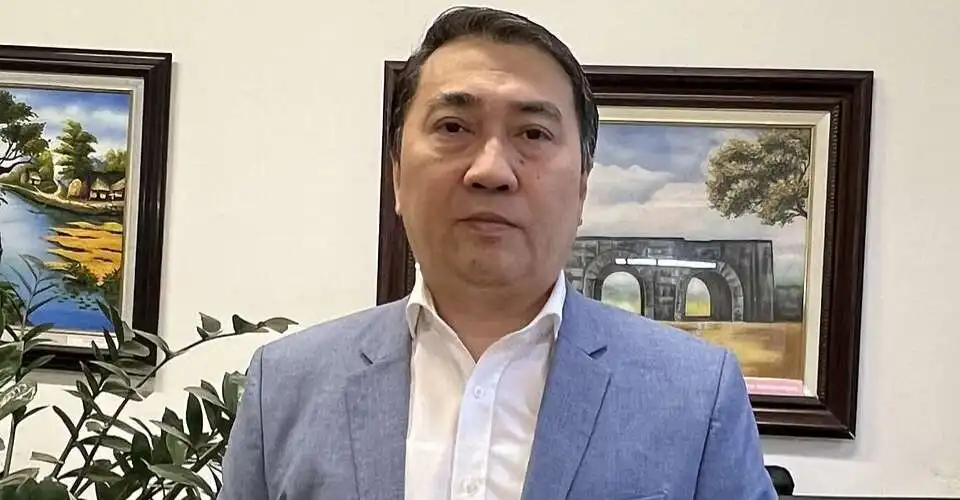
RSF Condemns Vietnam’s Latest Legal Offensive Against Independent Journalism
December 11, 2025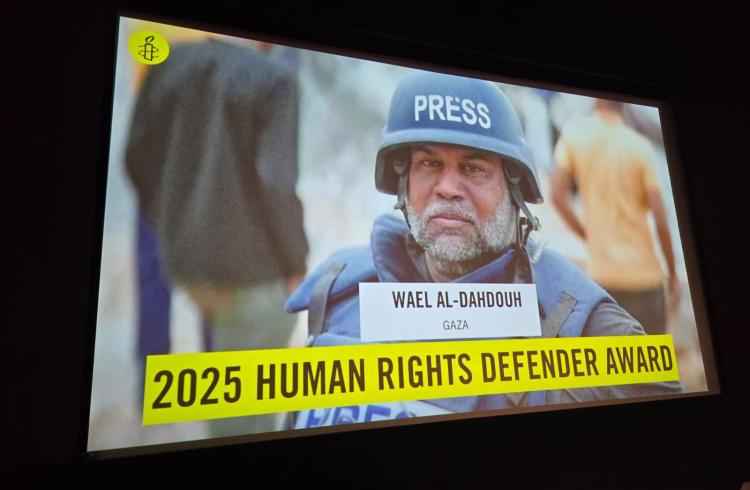
Amnesty International to Honor Wael al-Dahdouh with 2025 Human Rights Defender Award for Gaza Reporting
December 11, 2025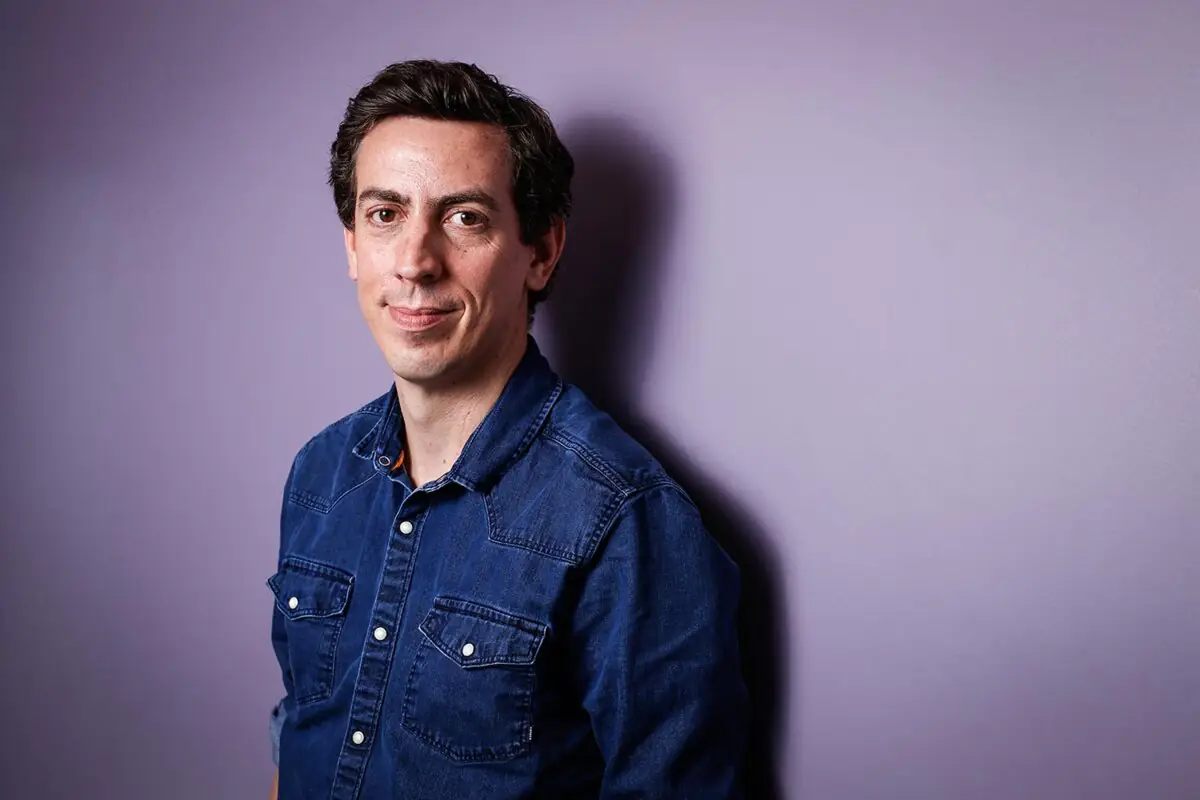
December 11, 2025 – General –
The killing of journalists is intended to silence investigations, but it increasingly has the opposite effect, according to Laurent Richard, founder of the investigative network Forbidden Stories. In an interview aired by France 24, Richard argued that every attack on a reporter strengthens global determination to continue their work, turning attempts at censorship into catalysts for deeper accountability.
Forbidden Stories was established to ensure that investigations do not die when journalists are killed, imprisoned, or forced into exile. The network works by transferring unfinished reporting to partner newsrooms worldwide, allowing stories to be pursued collaboratively and published across borders. Richard summarized the philosophy bluntly: if one reporter is murdered, dozens of others will continue the investigation.
Speaking on the program, Richard reflected on the growing dangers faced by journalists globally, particularly those covering corruption, organized crime, and armed conflict. He cited cases in which reporters were targeted precisely because of the impact of their work, noting that violence against journalists has become a calculated strategy to suppress exposure of wrongdoing. Yet, he stressed, such tactics are increasingly ineffective in a connected media environment.
The interview highlighted several high-profile investigations carried forward by Forbidden Stories after journalists were killed, including inquiries into state corruption, surveillance abuses, and criminal networks. In these cases, collaboration among international media outlets ensured that sensitive findings reached the public, often with greater visibility than the original reporting might have achieved.
Richard warned, however, that the normalization of attacks on journalists poses a grave threat to democratic societies. When reporters are silenced through fear or violence, citizens lose access to information needed to hold power to account. He emphasized that journalists are not activists or combatants but public watchdogs whose safety is essential to the functioning of open societies.
At the same time, Richard expressed cautious optimism. He argued that cross-border investigative journalism, secure digital tools, and solidarity among reporters have reshaped the balance of power. Authoritarian governments and criminal actors may still target individuals, but they struggle to stop stories once they are shared globally.
The conversation comes amid record numbers of journalists killed or imprisoned worldwide, according to press-freedom groups. For Richard, the response must be collective and relentless. Protecting journalists remains crucial, he said, but ensuring their work survives attacks is equally vital. In that sense, every attempt to silence the press risks amplifying the very truths it seeks to bury.
Reference –