Press Freedom Monitors Say Attempts to Silence Journalists Are Increasingly Brazen in Turkey
January 20, 2026
IFJ Condemns Surge in Israeli Army Attacks on Journalists in Southern Lebanon
January 20, 2026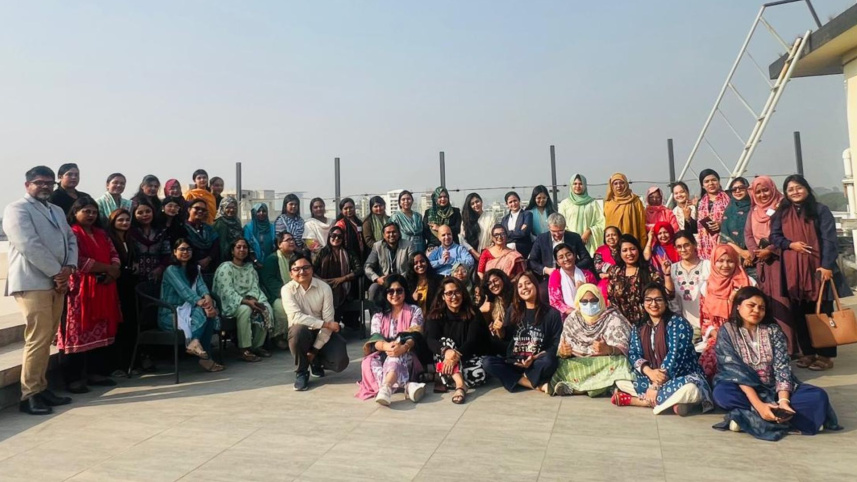
January 20, 2025 – Bangladesh –
Ahead of Bangladesh’s upcoming national election, 50 women journalists from across the Chattogram division participated in a specialised training programme focused on election reporting, safety, and information integrity, as part of a United Nations-supported initiative designed to strengthen ethical and credible journalism during polls. The two sessions took place over consecutive weekends in January 2026 and were organised by the media development group Somosti under the UN Ballot Project, with financial and technical support from UNESCO’s Dhaka office.
Participants represented a broad cross-section of media outlets, including print, broadcast, and online news organisations. The training curriculum addressed core aspects of election coverage, including freedom of expression, international standards in electoral reporting, fact-checking techniques, and legal frameworks governing political journalism. Additionally, the programme included modules on the risks and opportunities presented by misinformation and artificial intelligence, recognising the expanding influence of digital tools during electoral cycles.
A significant emphasis was placed on journalist safety and risk management. Sessions were led by experts such as Mehdi Benchelah, senior project officer from UNESCO’s Freedom of Expression and Safety of Journalists Section, who focused on information credibility and press freedom, and Scott Horre, a security specialist, who guided participants on physical, digital, and psychological safety strategies tailored to the unique challenges of election reporting.
Training on electoral systems and political reporting was provided by senior local journalists, including Sharmin Rinvi and Shakhawat Liton, while UNDP gender specialist Taslima Akhter facilitated discussions on gender-sensitive reporting and coverage of gender-based violence during elections. These sessions aimed to improve not only technical reporting skills but also awareness of the ethical and social dimensions involved in covering complex electoral events.
Organisers and participants highlighted the importance of such preparatory work in a media environment where journalists—particularly women—face heightened risks during election periods, including harassment, safety threats, and misinformation challenges. By focusing on professional standards, legal awareness, and comprehensive safety practices, the training sought to equip women reporters with the tools needed to contribute to transparent, balanced, and responsible election coverage.
Reference –