The Palestinian Journalists’ Syndicate has reported a sharp escalation in press freedom violations, documenting 53 incidents against journalists during March 2026, according to multiple media and official sources. The findings, released in early April, highlight a pattern of attacks, killings, and restrictions that the syndicate describes as part of a broader effort to suppress independent reporting amid ongoing conflict.
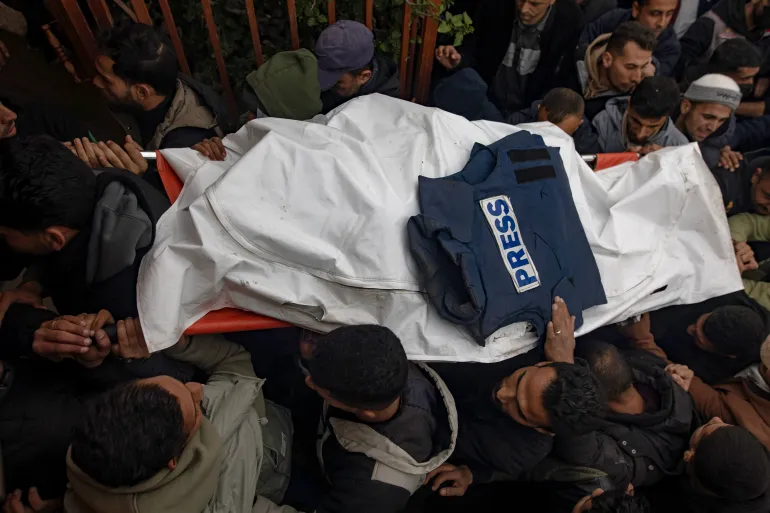
According to the syndicate’s monthly report, two journalists were killed during the reporting period, underscoring the severity of the situation. Among them was Amal Shamali, a correspondent for Qatar Radio in Gaza, who was killed in a direct strike on her tent. Another media worker, Marwan Harzallah of the Palestinian Broadcasting Corporation, died in Israeli custody, with reports attributing his death to torture and medical negligence. The syndicate characterized these incidents as grave violations of international humanitarian law.
Beyond the fatalities, the documented violations included a range of actions such as arrests, physical assaults, and obstruction of journalistic work. The syndicate emphasized that these incidents form part of an escalating pattern targeting media workers, particularly in the context of intensified military operations and heightened restrictions on movement and reporting. The report frames these acts not as isolated occurrences but as elements of a systematic approach aimed at limiting media coverage of events on the ground.
The syndicate further argued that such practices are intended to silence Palestinian voices and prevent the dissemination of information to the international community. It warned that continued attacks on journalists undermine the public’s right to access accurate and independent reporting, especially during periods of conflict when media coverage plays a critical role in documenting developments and potential violations.
These findings align with broader concerns raised by press freedom organizations about the increasing risks faced by journalists in conflict zones, particularly in Gaza and the West Bank. The March report contributes to a growing body of documentation indicating that journalists in these regions face sustained threats to their safety and ability to work freely.
The release of the report has renewed calls for accountability and stronger international protections for journalists, as media organizations and advocacy groups continue to warn of the long-term implications of unchecked violations on press freedom and information access.
Reference –
https://news.az/news/palestinian-journalists-syndicate-reports-53-violations-against-media-workers-in-march
https://www.aljazeera.net/news/2026/4/8/53-%D8%A7%D9%86%D8%AA%D9%87%D8%A7%D9%83%D8%A7-%D9%84%D9%84%D8%A7%D8%AD%D8%AA%D9%84%D8%A7%D9%84-%D8%A8%D8%AD%D9%82-%D8%A7%D9%84%D8%B5%D8%AD%D9%81%D9%8A%D9%8A%D9%86
https://qna.org.qa/en/news/news-details?id=palestinian-journalists-syndicate-53-violations-against-journalists-recorded-in-march&date=8/04/2026
https://english.wafa.ps/Pages/Details/169144