Exile as Duty: Journalists from El Salvador, Nicaragua and Venezuela Continue Reporting from Abroad
November 19, 2025
Journalist Rana Ayyub and Her Father Under Grave Threat in India
November 20, 2025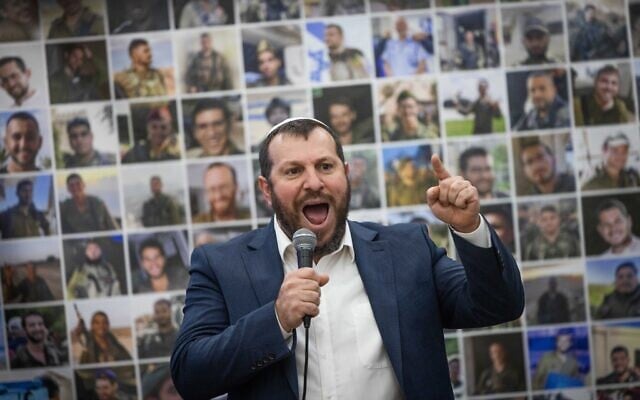
November 20, 2025 – General –
In Israel, a sharp rise in harassment and threats against journalists has prompted concern among media organisations — but one senior government figure has openly challenged their grievances. On 20 November 2025, Amichay Eliyahu, serving as Heritage Minister in the right-wing government, rejected calls to condemn the escalating incitement and instead accused reporters of “whining”.
Eliyahu’s comments came after two specific incidents drew widespread attention: spray-painted threatening graffiti outside the Tel Aviv offices of Channel 13, and footage showing right-wing activists harassing Guy Peleg from Channel 12. The graffiti appeared the day before the remarks, and the Peleg incident took place roughly a week earlier.
When asked on Kan radio whether he condemned the threats against journalists, Eliyahu did not: instead, he explicitly derided Peleg, saying “I want to condemn Guy Peleg and his whining” — alleging Peleg had already damaged the state and its soldiers through his reporting. He also suggested that public criticism of journalists was “legitimate protest” and that the media should not assume it enjoyed special protection: “the media should not think of itself as a protected flower”, he stated.
Media organisations had issued warnings about a “sharp uptick in incitement against journalists” amid the broader national tensions. They see Eliyahu’s response as exacerbating an already fraught environment for press freedom and safety. Proponents of press protection argue that when senior officials dismiss threats rather than denounce them, it sends a chilling signal about the value placed on independent journalism.
Eliyahu furthermore suggested the assaulted journalist could end the harassment through apology, telling Peleg, “he could ask for forgiveness from all the people of Israel, and I assume then they’ll stop [harassing him]”. Critics view this as shifting blame onto the victim rather than addressing aggression toward media workers.
As the war and internal political divisions in Israel continue to intensify, the pressures faced by journalists escalate. The refusal of a cabinet minister to condemn explicit threats raises questions about the government’s stance on media harassment and the broader implications for democratic norms.
Reference –