Press freedom advocates have condemned what they describe as a renewed wave of repression targeting independent journalists in Cuba, following recent arrests, detentions, and restrictions imposed on reporters in Havana. Media organizations warn that these incidents reflect an ongoing pattern of harassment against journalists who operate outside the state-controlled media system.
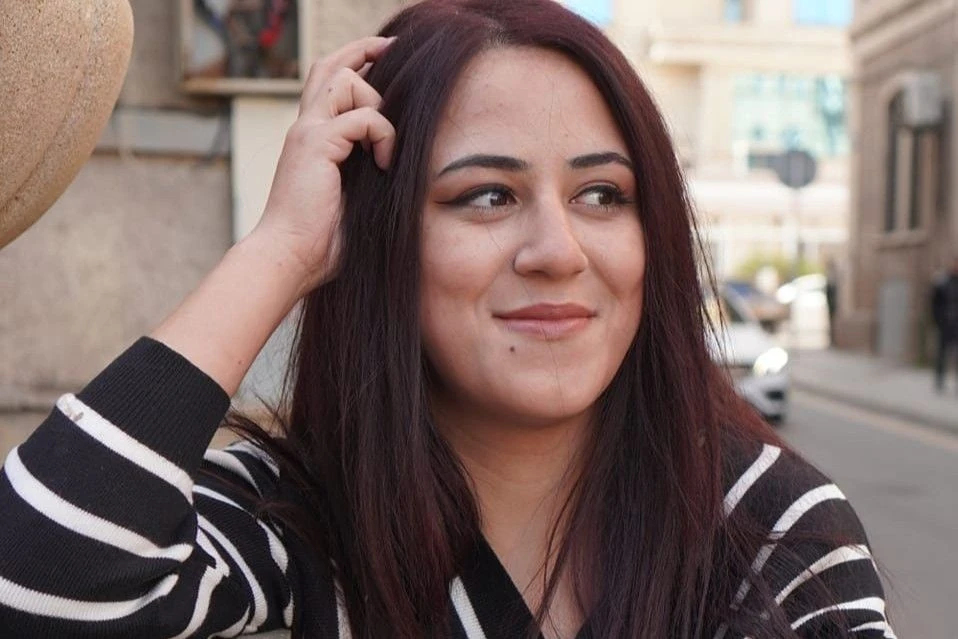
The Inter American Press Association (IAPA) recently raised concerns about several cases involving independent reporters who have faced detentions or surveillance by Cuban authorities. Among the most recent incidents was the detention of journalist Yunia Figueredo on March 10 after she participated in a protest known locally as a “cacerolazo,” a form of demonstration in which residents bang pots and pans to express dissatisfaction with government conditions. On the same day, journalist Yania Suárez was also arrested, although authorities had not publicly clarified the legal basis for her detention or the charges she might face.
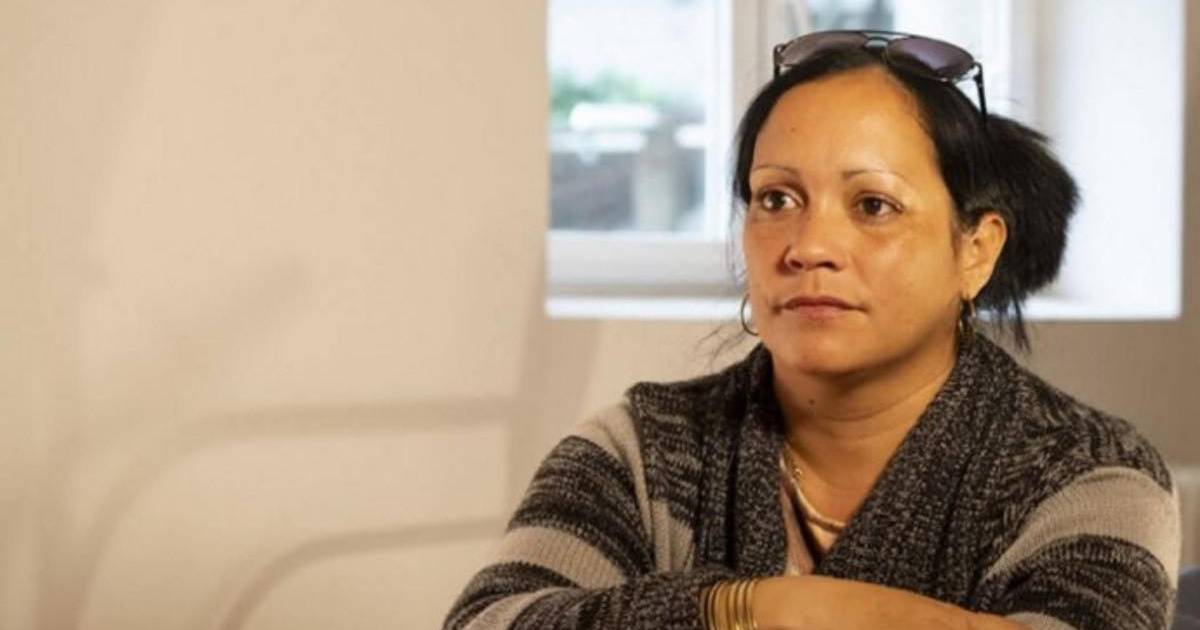
According to local reports, Suárez was taken into custody in Havana after she went to a police station to report a dispute involving a generator installed in the garage of her residential building. The equipment reportedly produced fumes that residents said were affecting their health. Instead of resolving the complaint, police detained the journalist, and rights advocates described the situation as an arbitrary arrest. She was reportedly held at a police facility in Havana’s Playa municipality, and at the time of reporting, there was no official confirmation about her release.
Press organizations also highlighted additional measures used to restrict journalists’ work. Independent reporter Camila Acosta, who frequently covers political and social developments on the island, reportedly faced renewed police surveillance at her home in Havana, preventing her from leaving the premises. Advocacy groups say such tactics are commonly used to limit journalists’ ability to report on protests or sensitive political events.
The IAPA and other press freedom groups say these developments illustrate a broader climate of intimidation toward independent media in Cuba. Journalists working outside official outlets frequently report surveillance, short-term detentions, and travel restrictions intended to discourage critical reporting.
Media rights advocates have called on Cuban authorities to respect freedom of expression and to ensure that journalists can carry out their work without intimidation or retaliation. They warn that continued arrests and restrictions not only undermine press freedom but also contribute to a wider environment of censorship and fear for independent reporters across the country.
Reference –
https://en.cibercuba.com/noticias/2026-03-11-u1-e197721-s27061-nid322775-detienen-periodista-independiente-habana-tras
https://en.sipiapa.org/the-iapa-condemns-new-wave-of-repression-against-independent-journalists-in-cuba-n1301244