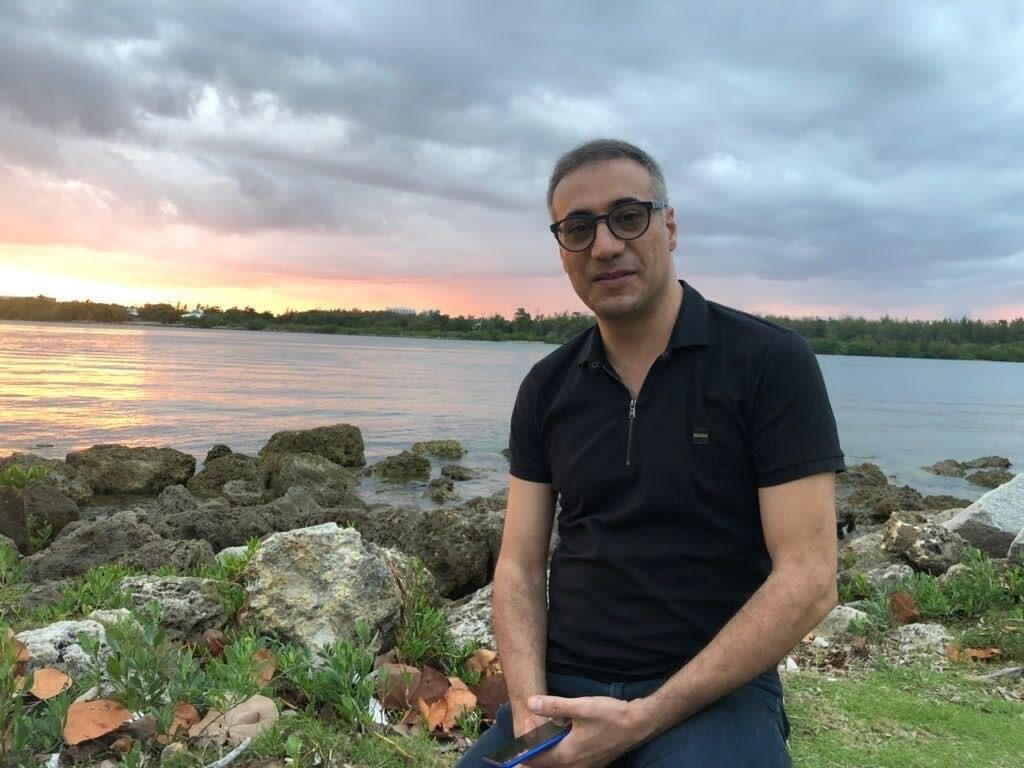
Iranian-American Journalist Reza Valizadeh Wrongfully Detained in Iran
January 20, 2026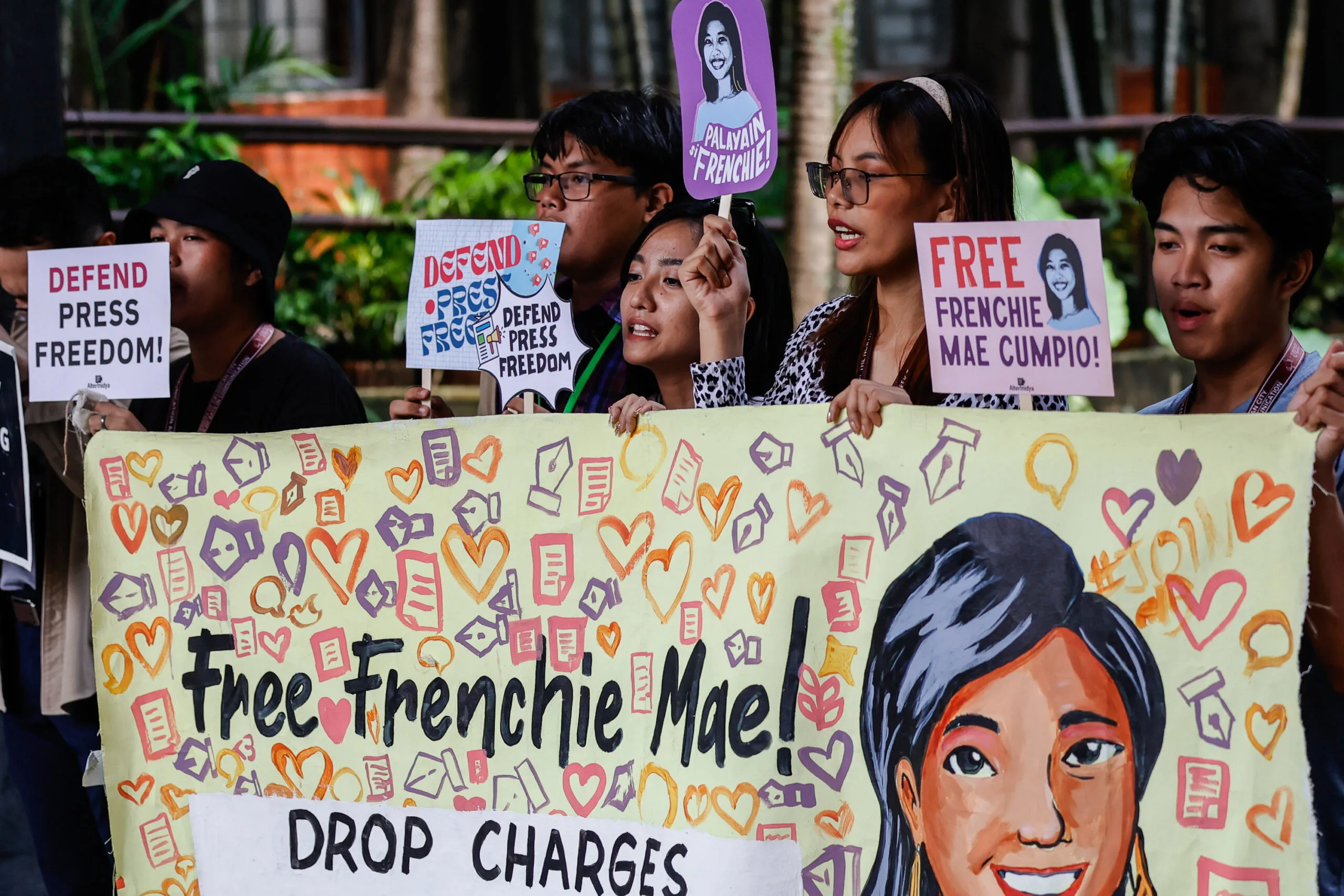
Philippine Media Groups Intensify Calls for Release of Journalist Frenchie Mae Cumpio
January 20, 2026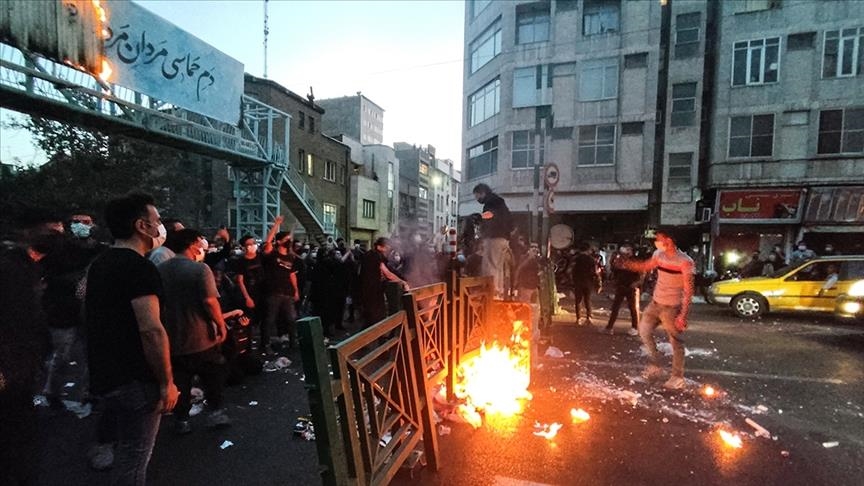
January 20, 2026 – General –
On January 14, 2026, the Committee to Protect Journalists (CPJ) joined a coalition of more than 30 press freedom, human rights and civil society organisations in issuing a joint appeal to Iranian authorities calling for the immediate and unconditional release of journalists, human rights defenders, civil society activists and others imprisoned for peaceful expression, journalism or protest activities amid a widening crackdown on dissent. The appeal also urged Tehran to fully restore internet and telecommunications services across the country, which have been severely restricted in connection with mass nationwide protests.
The statement highlighted growing concerns over Iran’s near-total internet blackout, which began on January 8, 2026, as nationwide protests spread in response to economic hardship and political dissatisfaction. Rights advocates say this shutdown has effectively curtailed independent reporting, blocked access to crucial information, impeded journalists’ ability to document events, and has been used to obscure the scale of state violence against protesters.
Signatories to the joint appeal included a broad spectrum of international organisations such as Reporters Without Borders (RSF), ARTICLE 19, PEN International, Front Line Defenders, Nobel Women’s Initiative, and others alongside CPJ, reflecting widespread concern across the human rights and press freedom community. The coalition called on Iranian authorities not only to release detained journalists and activists but also to end the nationwide communications blackout that is censoring news coverage and disrupting essential and life-saving communications for civilians and journalists alike.
The appeal specifically demanded that Iran end all internet restrictions, restore unrestricted access to global telecommunications, and ensure that telecommunications services are not used as tools of repression. Critics warn that the communications blackout compounds existing dangers, leaving families, journalists, and the international community unable to verify conditions on the ground or communicate freely.
This collective advocacy effort intensified amid reports that a range of civil society actors — including journalists, writers, and human rights defenders — have been detained or threatened during the government’s response to protests, with limited transparency and rising concerns over detainees’ safety and due process.
By bringing together a wide coalition of organisations, CPJ and its partners sought to reinforce global pressure on Iranian authorities to uphold international human rights obligations regarding freedom of expression, peaceful assembly, and access to information, emphasising that journalists and activists should not be punished for their work.
Reference –