The release of a retired military officer convicted of murdering Peruvian journalist Hugo Bustíos has triggered strong criticism from press freedom advocates, who warn that the decision represents a major setback in the fight against impunity for crimes against journalists.
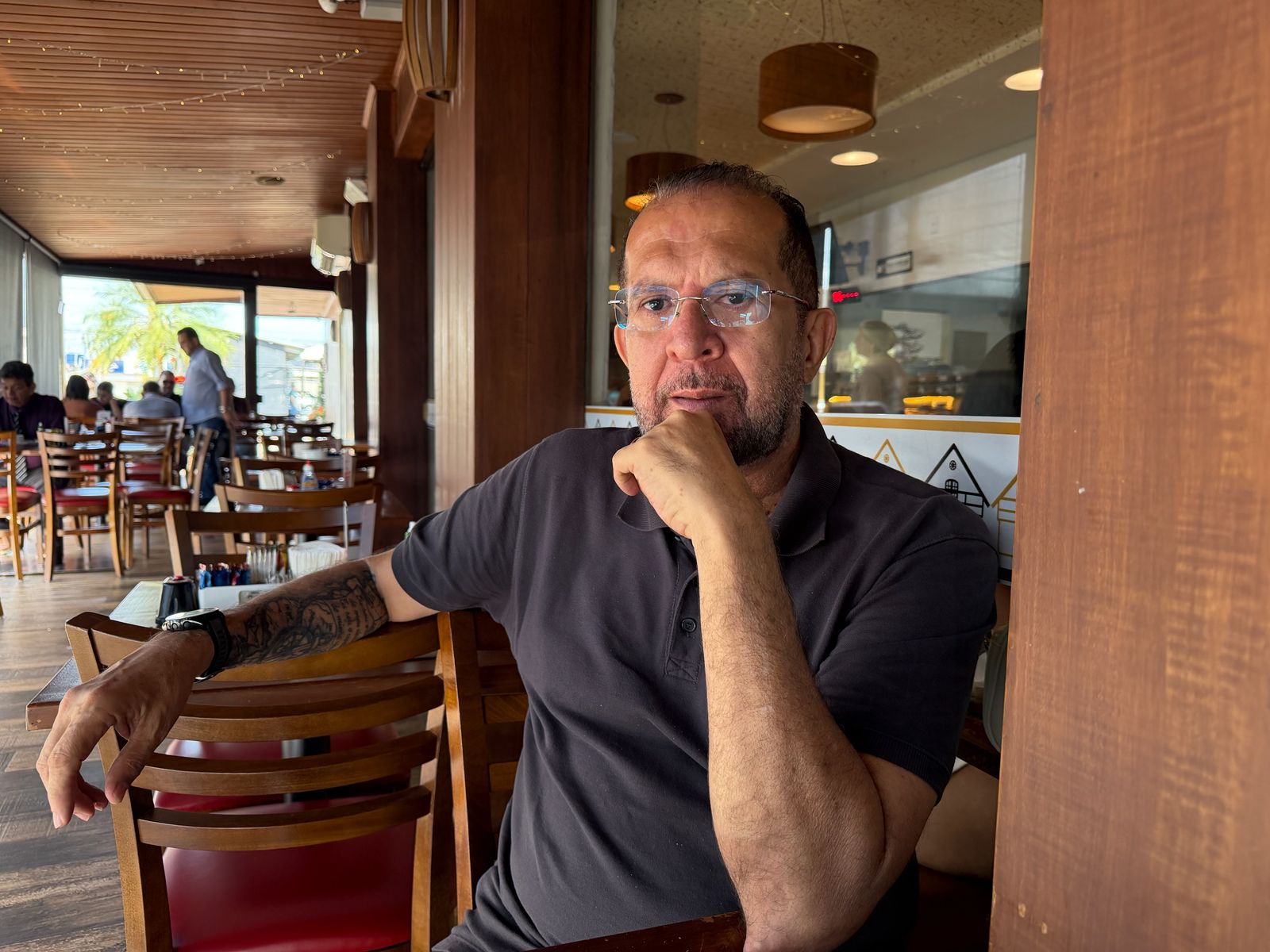
On 3 March 2026, former interior minister and retired army officer Daniel Urresti was released from prison after Peru’s Constitutional Court annulled his 12-year sentence for the 1988 killing of Bustíos. The court’s decision followed a legal challenge invoking Law 32107, a 2024 statute that limits how international human rights standards can be applied in Peru.
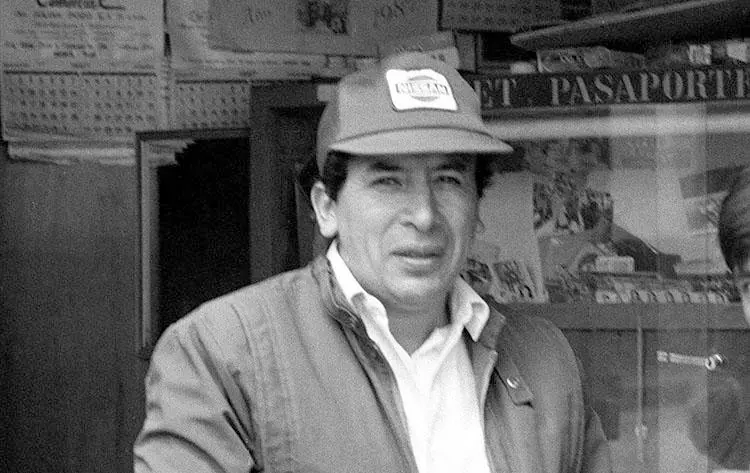
Urresti had been convicted in April 2023 for his role in the murder of Bustíos, a correspondent for the influential Peruvian magazine Caretas. The journalist was killed on 24 November 1988 in the province of Huanta, in the Ayacucho region, during Peru’s internal armed conflict between government forces and the Maoist insurgent group Shining Path.
Bustíos and fellow reporter Eduardo Rojas were traveling by motorcycle to cover a killing attributed to the guerrilla group when they were ambushed by soldiers. Bustíos was shot, and after he fell to the ground, his attackers detonated an explosive device that destroyed his body. Rojas survived the attack.
The 2023 conviction had been widely viewed as a landmark ruling in a case that took more than three decades to reach a verdict. In August 2024, Peru’s Supreme Court upheld Urresti’s sentence on appeal, affirming the ruling that he was responsible for the killing while serving as an army intelligence officer in the region at the time.
However, the Constitutional Court overturned the conviction in February 2026, determining that the crime could not be treated as a crime against humanity under the 2024 law. The legislation states that such crimes can only be classified as crimes against humanity if they occurred after 2003, when the Rome Statute of the International Criminal Court entered into force in Peru.
Press freedom organization Reporters Without Borders (RSF) condemned the ruling, warning that overturning a conviction for the murder of a journalist undermines accountability and weakens protections for the press. The group said the decision sends a troubling signal that perpetrators of violence against journalists may escape punishment.
Urresti, who served as Peru’s interior minister from 2014 to 2015 and later ran for several political offices, publicly announced plans to return to politics shortly after his release.
Media advocates say the case highlights the fragility of justice in historic crimes against journalists and fear the ruling could set a precedent that threatens accountability for other human rights violations in Peru.
Reference –
https://rsf.org/en/fighting-impunity-peru-convicted-murderer-journalist-hugo-bustios-set-free-after-alarming-policy