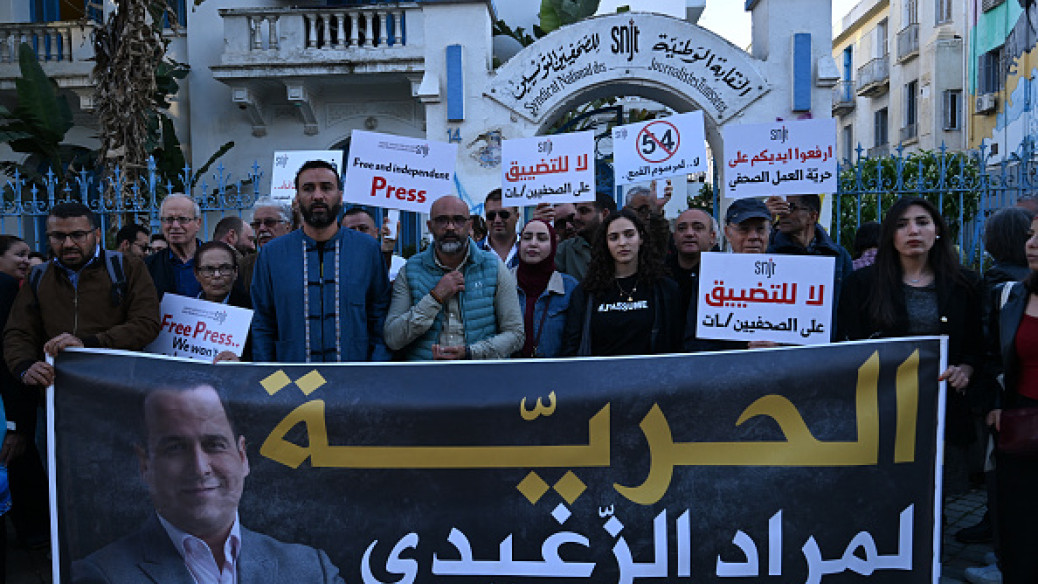
Tunisia Court Rejects Release of Journalists as Crackdown on Press Freedom Deepens
April 30, 2026
Morning Walk Turned Fatal: ABN Journalist Killed in Chittoor Sparks Press Freedom Concerns
April 30, 2026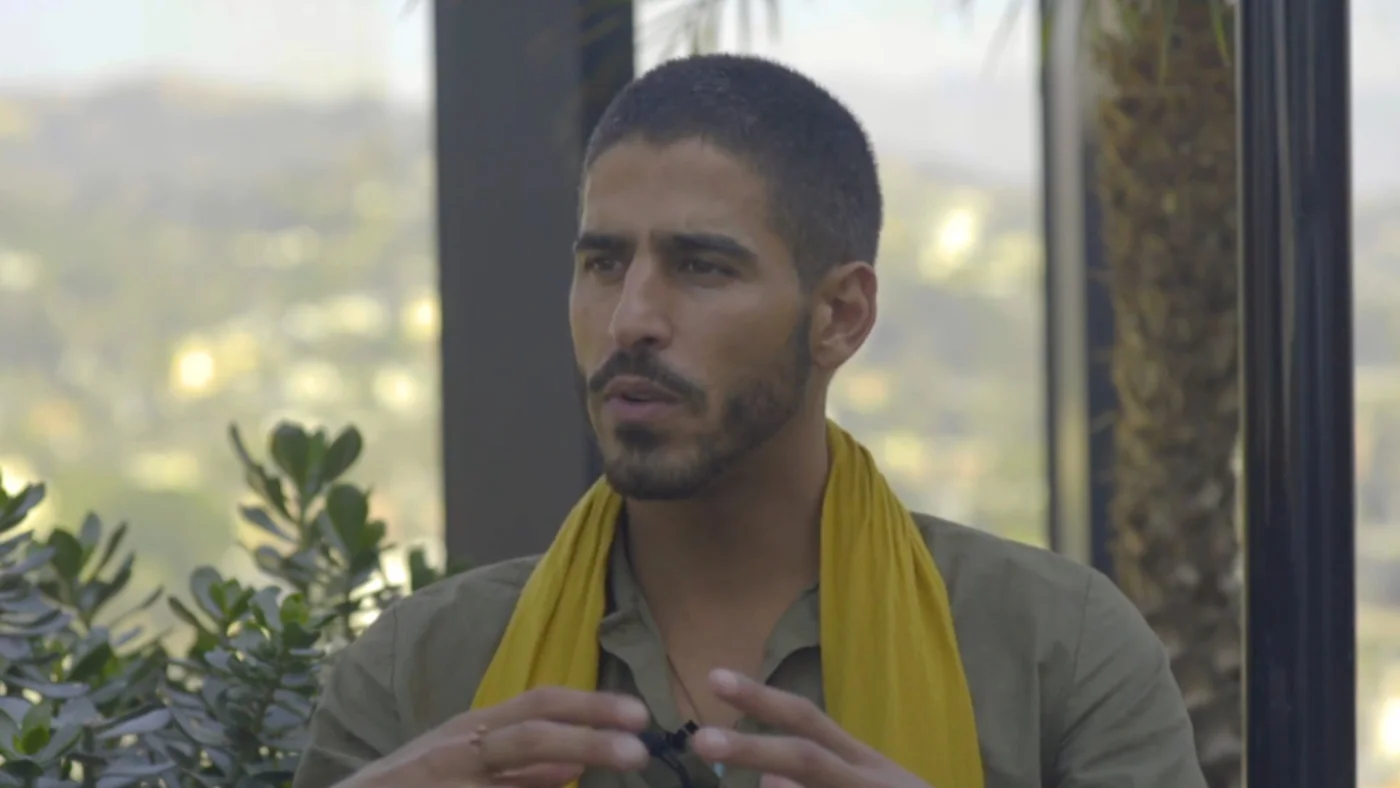
April 30, 2026 – Kuwait/USA –
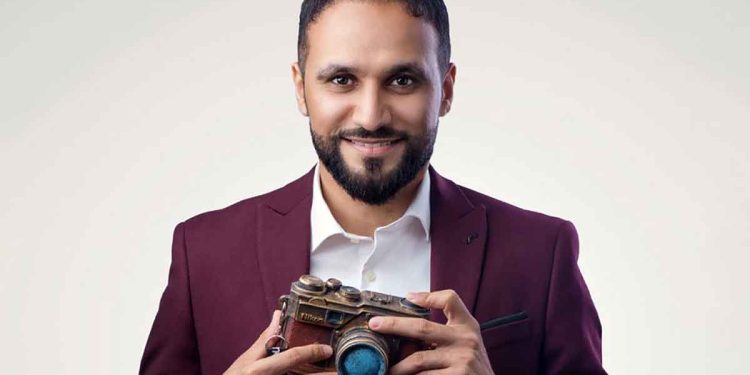
Kuwaiti-American journalist Ahmed Shihab-Eldin has become the focus of renewed concern over press freedom in the Gulf after authorities reportedly revoked his Kuwaiti citizenship shortly after his release from detention. The move followed weeks of legal and political scrutiny surrounding his arrest, prosecution, and eventual acquittal.
Shihab-Eldin was detained on March 3, 2026, while visiting family in Kuwait, after sharing social media content related to the ongoing regional conflict involving Iran. Authorities accused him of spreading false information, harming national security, and misusing his phone, charges widely criticized by press freedom organizations as vague and commonly used to silence independent journalism.
He remained in detention for approximately 52 days, during which advocates reported limited access to legal counsel and raised concerns about due process. International organizations, including the Committee to Protect Journalists, called for his immediate release, arguing that his case reflected a broader pattern of restricting media freedom under the guise of national security.
On April 23, a Kuwaiti court acquitted Shihab-Eldin of the charges, paving the way for his release and departure from the country. However, shortly after his exit, reports emerged that Kuwaiti authorities had stripped him of his citizenship, citing laws prohibiting dual nationality. This action places him among a growing number of individuals affected by Kuwait’s expanding campaign to revoke citizenships, which officials have framed as an effort to address alleged irregularities in nationality records.
Rights groups, including DAWN, have condemned both the detention and citizenship revocation, warning that such measures represent an escalation in efforts to suppress dissent and restrict free expression across the region. They argue that the use of citizenship as a punitive tool raises serious human rights concerns, particularly when applied to journalists.
The case has also been linked to a wider trend in Gulf states, where new laws targeting misinformation and national security have increasingly been used to control wartime reporting and online discourse.
Shihab-Eldin’s experience underscores the risks faced by journalists operating in politically sensitive environments, where legal frameworks can be rapidly deployed to criminalize reporting and, in some cases, redefine an individual’s legal status.
Reference –
DAWN Statement on Bahrain and Kuwait’s Revocation of Citizenship and Crackdown on Free Expression
https://www.nytimes.com/2026/04/30/world/middleeast/ahmed-shihab-eldin-citizenship.html