U.S. Journalist Groups Call for Protection of Reporters Covering Immigration Raids and Protests
January 31, 2026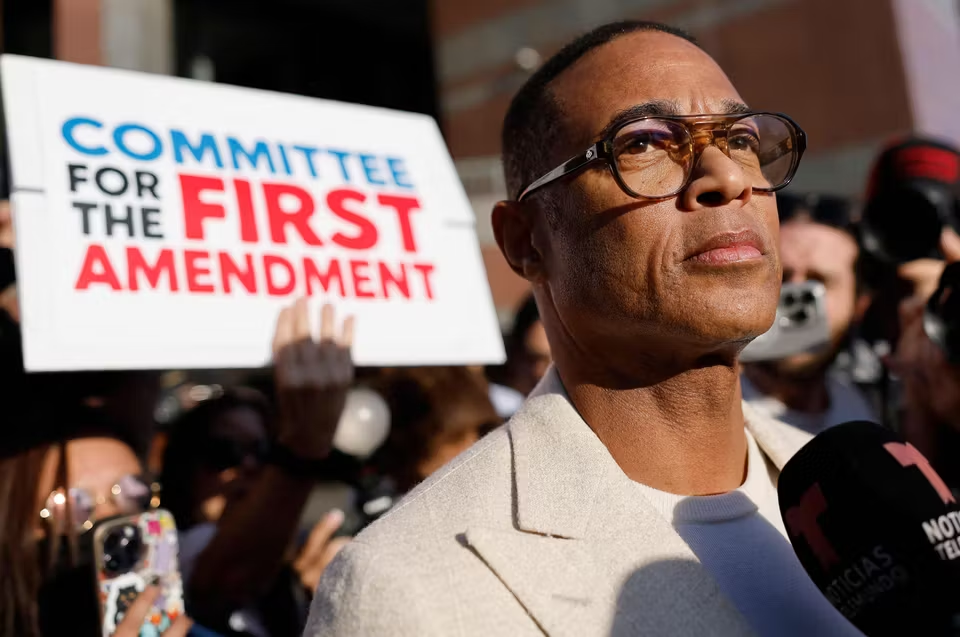
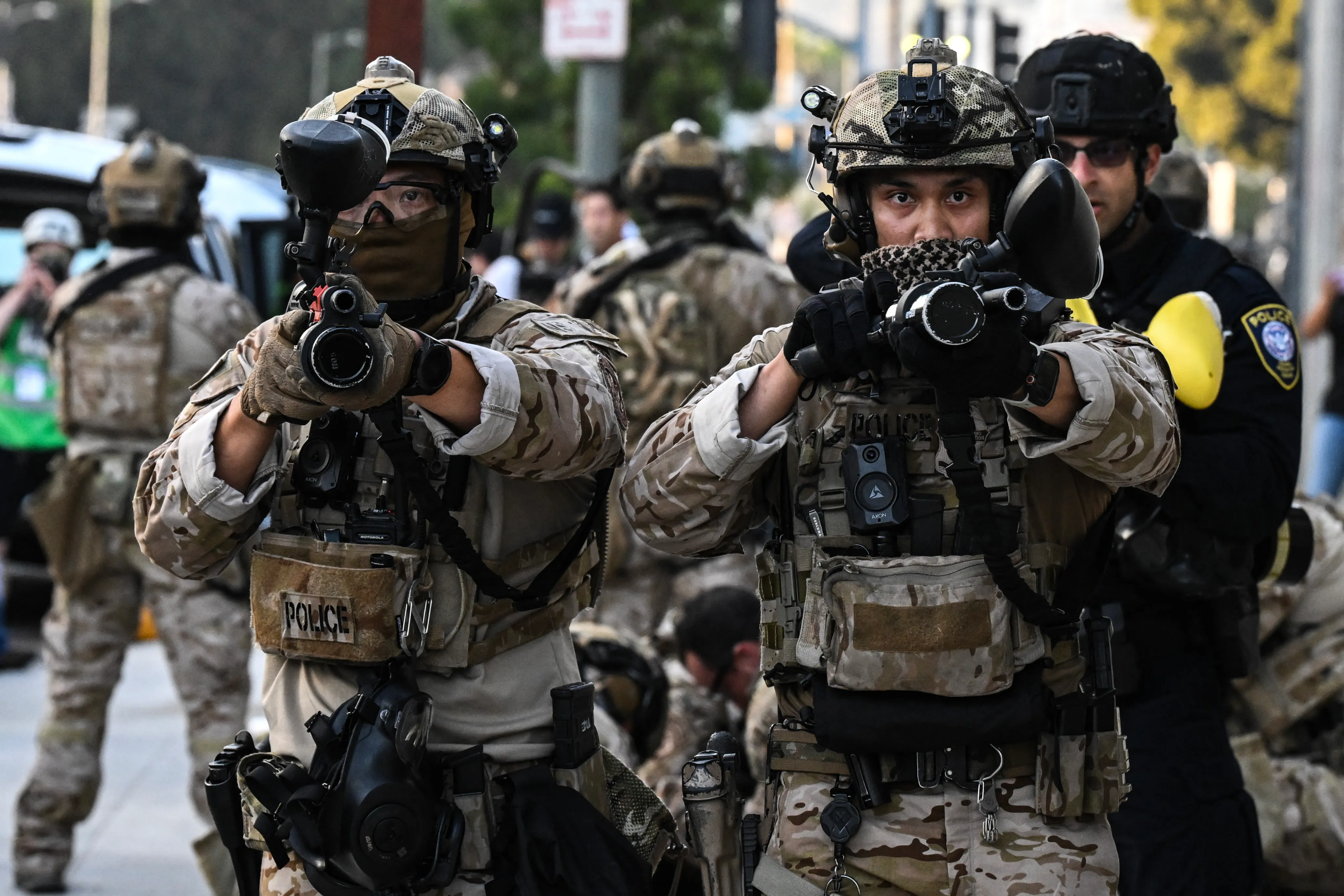
US Press Freedom Under Scrutiny After Arrests of Journalists During Minneapolis Protests
January 31, 2026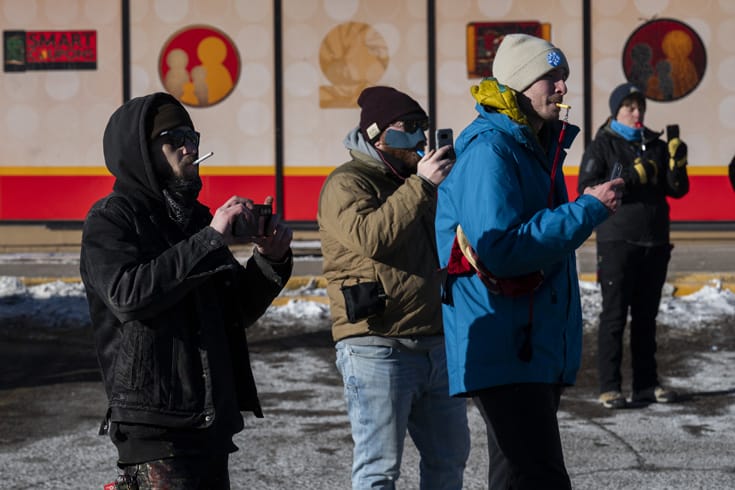
January 31, 2026 – USA –
Amid ongoing protests and confrontations with law enforcement in Minneapolis, Minnesota, independent and citizen journalists have drawn widespread praise for capturing pivotal moments that traditional media outlets did not initially document. Reports from Covering Climate Now and The Nation highlight how everyday community members — armed with smartphones and social media platforms — played a crucial role in real-time documentation of police interactions, civilian responses, and public sentiment during demonstrations, effectively shaping public understanding of events as they unfolded.
The coverage emphasises that citizen journalists — residents without formal press credentials but with a commitment to recording what they saw — were often the first witnesses to significant interactions between law enforcement and protesters. Their videos, livestreams, and posts helped bring transparency to incidents that might otherwise have gone unreported, particularly at moments when mainstream media presence was limited or delayed. In doing so, they ensured that a broader public, both locally and nationally, could see unfiltered raw footage and form independent perspectives about contentious events.
Both articles note that this grassroots reporting emerged organically from communities determined to hold authorities accountable. In Minneapolis, protest movements have often surged from deeply felt local grievances, prompting residents — including students, activists, and neighbours — to record marches, police tactics, and community discourse. Their coverage was widely shared on platforms like TikTok, Twitter (now X), and Facebook, where clips of key incidents were quickly disseminated and sparked debate. This user-generated content frequently became source material for larger news outlets, which cited the footage as evidence of events and conditions on the ground.
The narratives stress that citizen journalists do far more than simply capture viral moments; they often provide critical documentation of systemic issues such as police conduct, racial justice concerns, and community organisation. The reliability and consistency of their reporting have helped ensure that public debate is grounded in firsthand observation rather than hearsay or secondhand accounts. This role is especially significant in communities historically underserved by traditional newsrooms, where local stories have been under-covered or framed without community context.
The articles also describe the risks and challenges faced by these independent reporters. Without institutional backing or legal protections afforded to credentialed journalists, many citizen journalists risk arrest, harassment, or retaliation while covering protests and confrontations. Their equipment — often personal smartphones — can be destroyed or seized, and they typically lack access to press passes and official recognition, making their work both physically and legally hazardous.
Advocates quoted in both reports argue that the rise of citizen journalism in Minneapolis reflects a broader transformation in how news is gathered and shared, with grassroots voices filling gaps in coverage and holding institutions accountable. They emphasise that this democratisation of reporting has broadened the range of perspectives available to the public and has helped bring attention to underrepresented community experiences.
Reference –
https://www.thenation.com/article/activism/citizen-journalists-minneapolis-heroes/