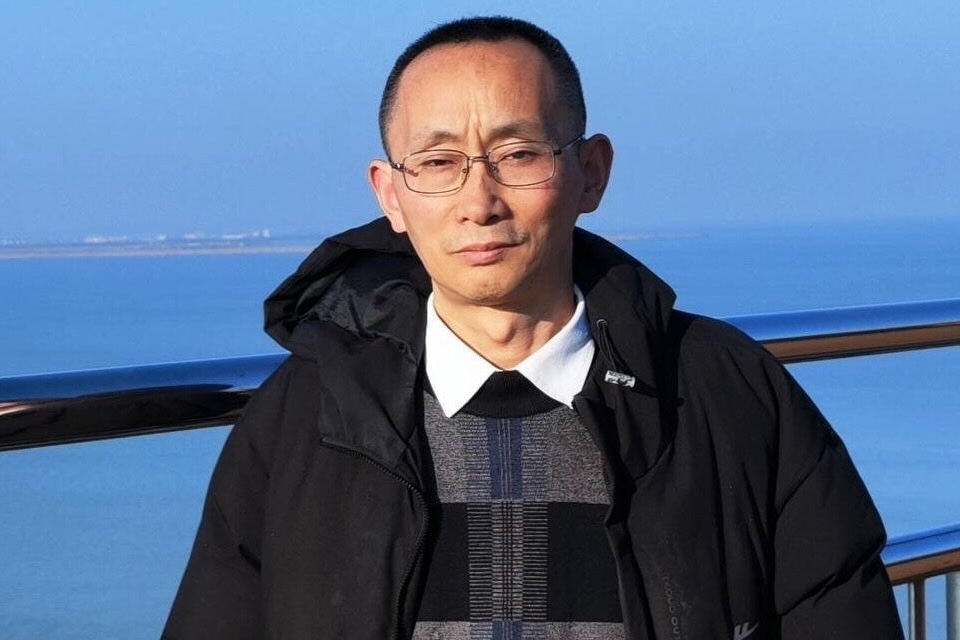
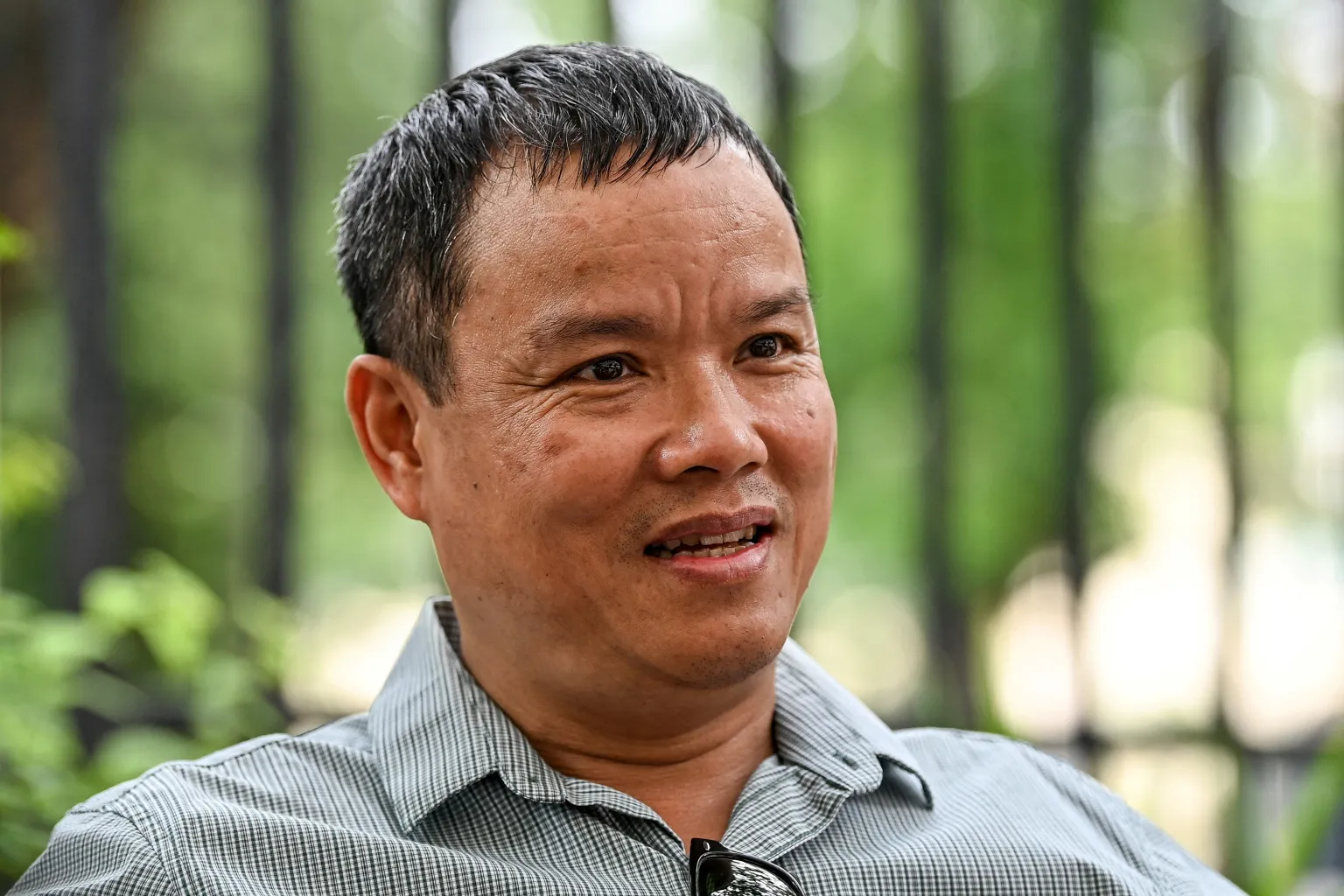
The sentencing of Chinese writer and journalist Zan Aizong to three years in prison has drawn sharp condemnation from international free expression groups, highlighting ongoing concerns over the repression of independent voices in China.
A court in Hangzhou handed down the sentence in February 2026, convicting Zan on charges of “picking quarrels and provoking trouble,” a broadly defined offence frequently used by Chinese authorities to target dissent. Rights groups argue that the charge lacks legal clarity and is routinely applied to silence journalists, writers, and activists engaged in peaceful expression.
Zan’s conviction stems from his participation in a peaceful memorial held in July 2024 to mark the anniversary of the death of Nobel Peace Prize laureate Liu Xiaobo, a prominent pro-democracy advocate who died in state custody. Authorities detained Zan days after the commemoration, and he has remained in custody since then.
PEN International strongly criticized the sentence, stating that imprisoning an individual for a symbolic act of remembrance reflects the government’s intolerance of dissent and efforts to control historical narratives. The organization emphasized that no one should face criminal punishment for peaceful expression and called for Zan’s immediate and unconditional release.
Zan Aizong is a well-known independent writer and former journalist who has contributed to several Chinese publications and has long focused on issues related to human rights and civil liberties. His work has previously subjected him to surveillance, police questioning, and restrictions on his movement, illustrating the sustained pressure faced by critical voices in the country.
The case reflects a broader pattern of tightening control over media and public discourse in China. Advocacy groups note that authorities continue to rely on vague legal provisions to prosecute individuals whose reporting or commentary challenges official narratives, effectively narrowing the space for independent journalism.
Press freedom organizations warn that such actions not only silence individual journalists but also contribute to a climate of fear and self-censorship. As calls for accountability grow, Zan’s imprisonment underscores the risks faced by those who attempt to document or reflect on politically sensitive issues in China, particularly those tied to human rights and historical memory.
Reference –
https://ifex.org/china-pen-international-condemns-the-sentencing-of-writer-zan-aizong-to-three-years-in-prison/