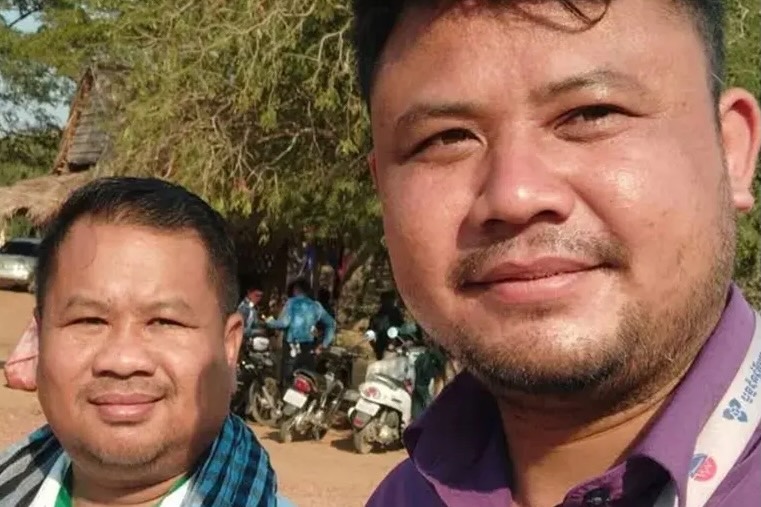
Press freedom organizations have called on Cambodian authorities to immediately release journalists Phorn Sopheap and Pheap Pheara and drop all charges against them, following their sentencing to 14 years in prison over reporting linked to the Thailand-Cambodia border conflict. The case has intensified concerns about the use of national security laws to criminalize journalism in the country.
The two journalists were convicted under Article 445 of Cambodia’s criminal code for “supplying a foreign state with information prejudicial to national defence,” a broadly defined offense often criticized by rights groups for its potential misuse. On March 26, 2026, the Court of Appeal in Battambang upheld the original ruling issued by the Siem Reap Provincial Court, rejecting requests from the defense to reduce or reclassify the charges.
The charges stem from a reporting trip in July 2025, when the journalists traveled to a border area near active conflict zones to document local conditions and provide humanitarian aid. Authorities alleged that photographs and information they shared, including images taken near Ta Krabei Temple, could undermine national defense after being circulated by Thai media. The journalists have denied any intent to share sensitive information or assist a foreign state, stating their work was solely in the public interest.
During appeal proceedings, both journalists reiterated that they had obtained permission to access the area and had not engaged in espionage or deliberate disclosure of classified material. Their lawyer argued for a lesser charge related to unintentional disclosure, but the court declined to amend the conviction, leaving the 14-year sentences in place.
The case has drawn strong condemnation from a coalition of local and international organizations, including media watchdogs and human rights groups, which warn that such severe penalties create a chilling effect on journalism. They argue that the use of vague national security provisions against reporters risks deterring coverage of issues of significant public interest, particularly in sensitive or conflict-affected areas.
Advocates note that the journalists’ prosecution is part of a broader pattern, with multiple reporters in Cambodia facing arrest or legal action in connection with their work. They stress that without meaningful reforms and the protection of independent reporting, press freedom in the country will continue to deteriorate under increasing legal and political pressure.
Reference –
https://ifex.org/cambodia-release-and-drop-charges-against-journalists-phorn-sopheap-and-pheap-pheara/