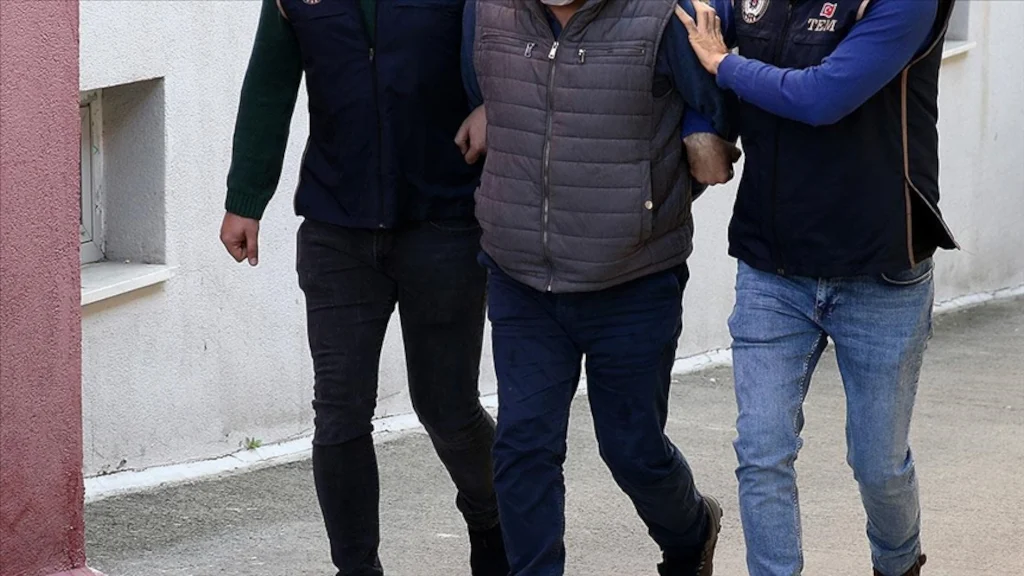
Turkey Detains Two Suspected of Spying for Israel in Intelligence Case
February 6, 2026
Amid Rising Tensions, Afghan Journalist Survives Detention and Calls for Safety Reforms
February 6, 2026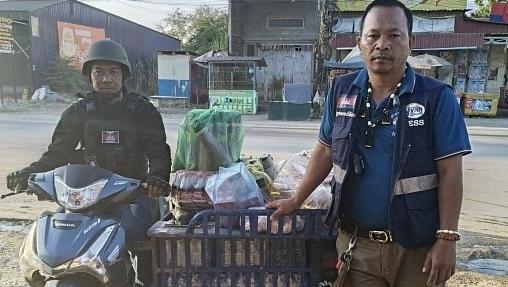
February 06, 2026 – Cambodia –
Cambodian police have detained journalist Hem Vanna, a reporter for the independent news outlet Kiripost, after he published a series of articles about an alleged cyberscam operation in the Poipet Special Economic Zone, rights groups say. Vanna’s arrest on 5 February 2026 has sparked concern among press freedom advocates who warn that the case reflects a broader pattern of intimidation against journalists covering corruption and criminal activity.
Vanna’s reporting focused on a compound in the Poipet border area near Thailand, where authorities and citizens have alleged online financial fraud, including suspected “pig-butchering” investment scams and other cybercrime schemes targeting locals and foreigners. The articles drew attention to alleged complicity, lax oversight, and the social harms linked to the purported operations, prompting public debate and scrutiny.
Cambodian authorities detained Vanna on charges related to “criminal defamation” and “incitement,” which are commonly invoked under Cambodia’s penal code in cases involving reporting on alleged wrongdoing by individuals or businesses. Licadho — the Cambodian League for the Promotion and Defense of Human Rights — reported that Vanna remains in custody without clear access to legal counsel and may be held while prosecutors pursue formal charges.
According to Licadho, the journalist was taken into detention shortly after publishing detailed coverage, including interviews with affected residents and commentary from local experts. Police officials have not publicly disclosed specific investigative findings against Vanna, instead pointing to broad legal provisions that criminalise statements allegedly harming reputations or public order.
Rights advocates argue that Vanna’s detention illustrates how cybercrime coverage can place journalists at risk when powerful interests — including organised groups or politically connected individuals — may be implicated. Licadho emphasised that journalists play a vital role in informing the public about emerging forms of criminality and that punitive use of defamation and incitement statutes undermines press freedom.
Media freedom observers note that Cambodia’s media landscape has been pressured in recent years, with evidence of journalists facing legal harassment, arrests, and threats in connection with reporting on politically sensitive subjects or allegations of corruption. In such an environment, charges tied to defamation or public order offences have been used to discourage investigative work.
In response to Vanna’s arrest, international press freedom organisations, including the Committee to Protect Journalists (CPJ), have called for his immediate release and an end to the use of criminal laws to penalise journalism. CPJ’s regional representative said that authorities should instead open credible investigations into the underlying allegations of cybercrime — the topic of Vanna’s reporting — rather than detaining the reporter.
Local colleagues and civil society networks have expressed solidarity with Vanna, urging Cambodian authorities to respect freedom of expression and to ensure that journalists can report on matters of public interest without fear of reprisals. As of early February 2026, Vanna remained in custody while legal proceedings were underway.
Reference –
https://www.licadho-cambodia.org/flashnews.php?perm=497
Cambodian journalist Hem Vanna arrested after cyberscam report