
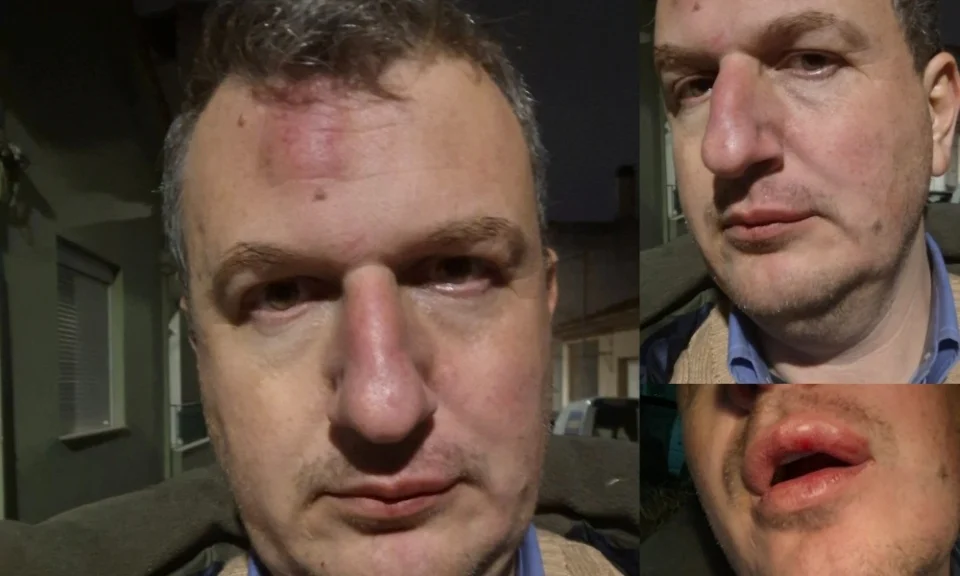
Greek Journalist Assaulted Outside Home in Volos, Triggering Widespread Condemnation
January 24, 2026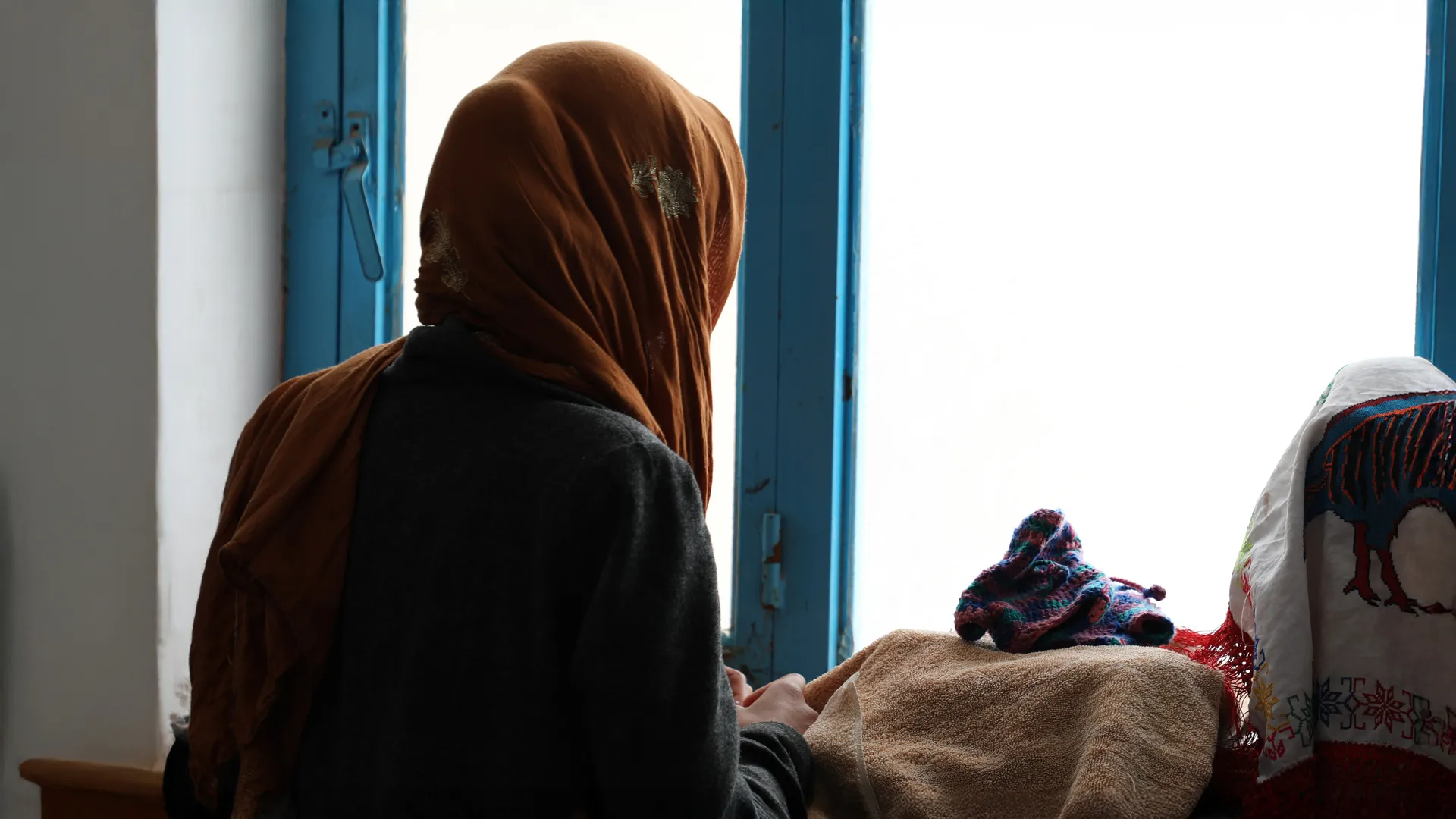
Afghan Woman Journalist Bano Murdered With No Reported Justice
January 24, 2026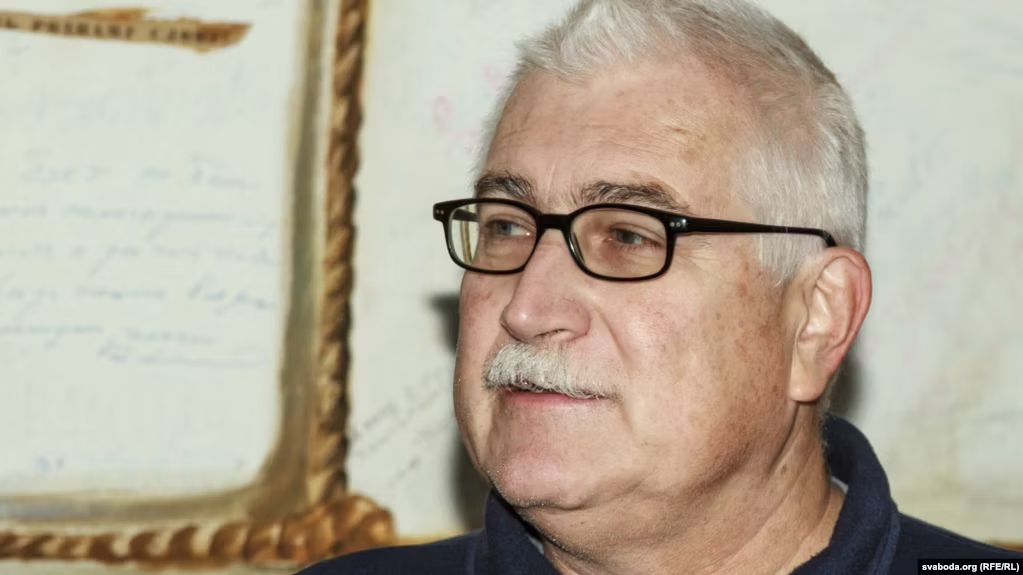
January 24, 2026 – Belarus –
Vatslau Areshka, a 70-year-old Belarusian political prisoner, union activist, and contributor to independent media, has reportedly become almost completely blind while serving an eight-year sentence in Belarusian detention, human rights advocates and prison support groups report. His severe loss of vision and the prison authorities’ failure to grant appropriate disability accommodations have raised urgent concerns about his health, humane treatment, and the broader conditions political prisoners face in Belarus.
Areshka was arrested on April 19, 2022, and later convicted under broad articles of the Belarusian Criminal Code related to “harm to national security” and alleged involvement with an “extremist” organisation connected to the independent Union of Radio and Electronics Workers (REP) — charges critics call politically motivated due to his activism, union work and contributions to cultural and independent media activities. He was subsequently sentenced to eight years in a high-security penal colony.
During his imprisonment, Areshka’s health deteriorated significantly, with his vision declining to the point where he reportedly cannot see beyond his hands. Supporters and external monitors have noted that despite his profound visual impairment, prison authorities have refused to recognise him as a person with a disability, leaving him without essential medical support or accommodations that would be required under international human rights standards for the treatment of prisoners with serious health conditions.
Areshka’s case has drawn attention from civil society and human rights defenders in Belarus and abroad, who argue that the lack of appropriate medical care and humane treatment constitutes further abuse of political detainees. Testimonials from colleagues note he has endured harsh penal conditions, including stays in punitive isolation, which likely exacerbated his declining eyesight and overall health. Observers emphasise that older prisoners with serious medical needs are particularly vulnerable within Belarus’s prison system.
The reported deterioration of Areshka’s vision while in detention underscores broader concerns about the treatment of political prisoners in Belarus, where independent journalists, union leaders, and activists are frequently detained under vague national security or “extremism” laws and subjected to poor prison conditions, limited access to medical care, and systemic neglect. Rights advocates continue to call for his immediate medical evaluation, proper disability recognition, and humane treatment consistent with international law
Reference –
Imprisoned journalist Vatslau Areshka goes nearly blind in detention
Related posts

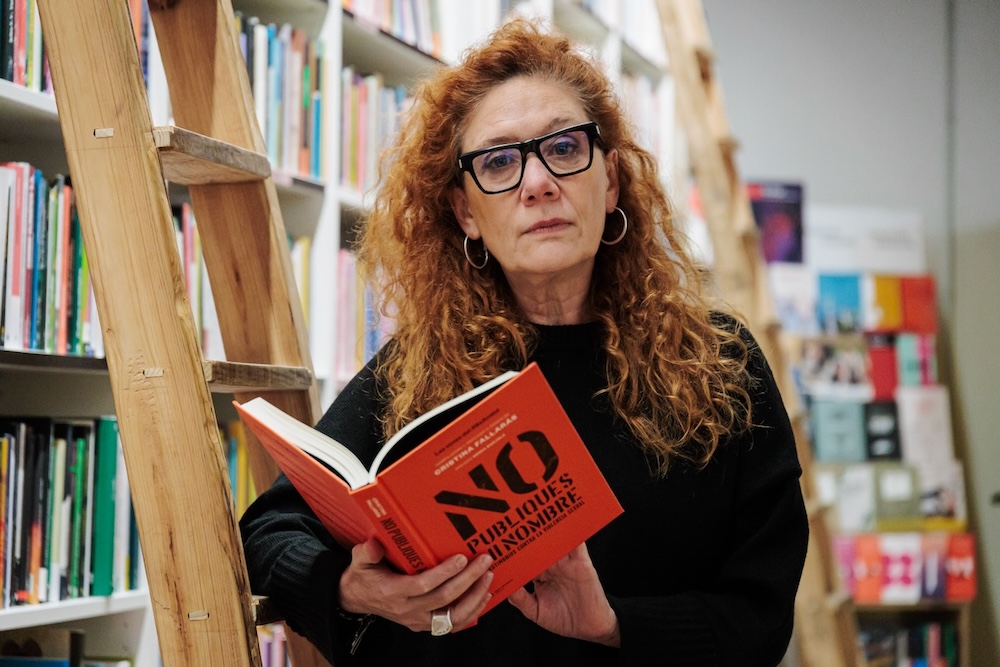
MADRID, SPAIN - NOVEMBER 13: The writer and journalist, Cristina Fallaras, poses during the presentation of her new book 'No publiques mi nombre', at the Ateneo La Maliciosa, on 13 November, 2024 in Madrid, Spain. Don't publish my name' collects the testimonies of dozens of women victims of sexual aggression. The book will be available in bookstores on November 20, although it is already available for pre-order in digital stores. (Photo By Carlos Lujan/Europa Press via Getty Images)