Masked Protesters Assault RAI TV Crew During Violent Turin Clashes
February 3, 2026
Search for Journalist Savannah Guthrie’s Mother Intensifies as Authorities Treat Disappearance as Potential Crime
February 3, 2026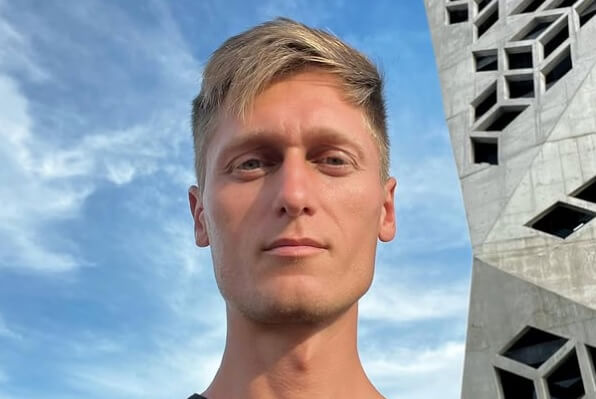
February 03, 2026 – Belarus –
The criminal case against investigative journalist Pavel Dabravolski, who has been held in pre-trial detention for more than a year, has now been formally transferred to the Minsk City Court, marking a significant escalation in legal proceedings against a well-known independent media figure. The move was confirmed by the Belarusian Association of Journalists (BAJ) and comes as authorities continue to intensify pressure on independent journalism within the country.
Dabravolski, 36, was detained in January 2025 shortly after returning to Belarus. He faces charges under Part 1 of Article 356 of the Belarusian Criminal Code, accused by prosecutors of treason against the state — allegations widely regarded by press freedom advocates as tied to his reporting and professional work, rather than genuine criminal conduct. The journalist had previously worked with several outlets, including the independent news agency BelaPAN and foreign media, before his arrest.
Human rights groups have repeatedly recognised Dabravolski as a political prisoner, pointing to a broader pattern of Belarusian authorities using criminal law to silence dissent and suppress independent voices. During the post-election protests of 2020, he was detained and administratively punished for his involvement in coverage of civic unrest — an early indication of the state’s adversarial stance toward his work.
In autumn 2025, Dabravolski was moved from a specialized detention unit run by the Belarusian State Security Committee (KGB) to a standard pre-trial facility in Kaliadzichy, where he has remained while investigators compiled their case. According to BAJ, the legal file now being heard in court may expose him to a prison sentence of up to 15 years if convicted.
The decision to send the case to trial has drawn widespread concern from media freedom advocates who note that Belarus has increasingly deployed treason and state-security statutes against journalistic figures. Independent outlets operating within the country are few, and many have been designated “extremist” or forced to shut down entirely. Dabravolski’s prosecution is seen as part of this persistent crackdown, with critics arguing that harsh charges against journalists erode the space for independent reporting and free expression.
As the proceedings are set to begin later this month, Dabravolski’s supporters and rights defenders continue to call for greater international scrutiny and legal safeguards for journalists facing politically motivated indictments. The outcome of this trial will be closely watched as a barometer of the state of press freedom in Belarus.
Reference –