2025 Sees Latin America Emerge Again as Deadliest Place for Journalists Outside War Zones
December 18, 2025
Guatemalan Reporter Found Dead After Receiving Threats, Press Freedom Groups Demand Investigation
December 19, 2025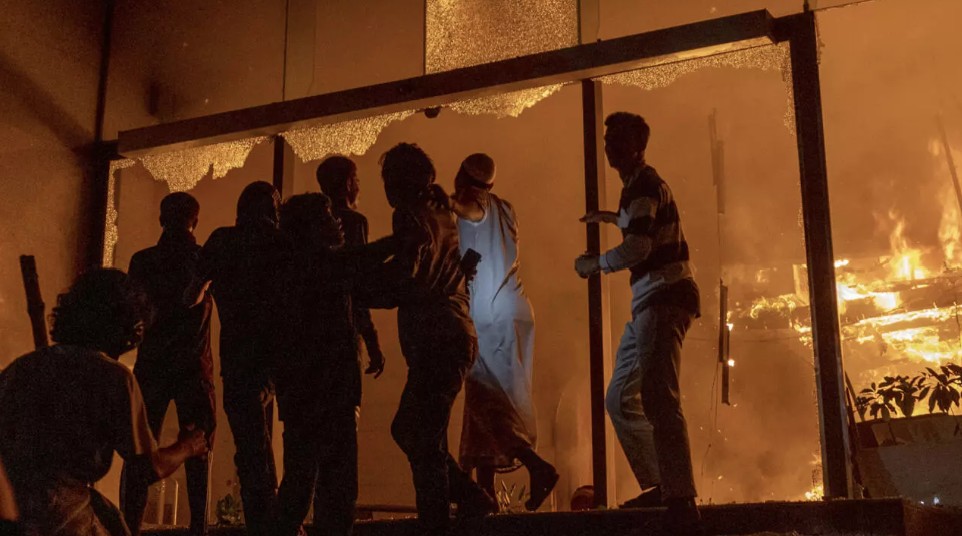
December 19, 2025 – Bangladesh –
Violent protests that erupted across Bangladesh in December 2025 following the death of youth leader Sharif Osman Hadi have dramatically escalated, including unprecedented attacks on the country’s principal media institutions that have effectively silenced major newspapers and drawn condemnation from press freedom advocates.
Late on December 18 and into early December 19, mobs of demonstrators stormed and set fire to the offices of two of Bangladesh’s leading newspapers — Prothom Alo and The Daily Star — in the Karwan Bazar area of Dhaka. Witnesses reported that attackers vandalised entrance areas and ignited furniture and documents, leading to extensive structural damage and halting printing operations at both dailies. The unrest forced the newspapers’ printing presses to fall silent, marking the first suspension of publication in their long histories.
Journalists and staff working late at the offices were trapped inside by thick smoke and fire. Emergency responders, including firefighters and military personnel, later evacuated dozens of journalists from rooftops as the blaze spread through office floors. One reporter described a night of terror as smoke and flames enveloped the building, underscoring the immediate danger faced by media workers caught in the chaos.
The attacks on media outlets have become a focal point of outrage amid broader civil unrest tied to political dynamics ahead of Bangladesh’s scheduled national elections. Although the protests began with demands for justice over Hadi’s shooting — an incident that triggered clashes between demonstrators and security forces — the violence expanded to include arson against cultural institutions and media buildings, reflecting broader social and political tensions. Critics of the interim government, led by Nobel laureate Muhammad Yunus, claim authorities failed to protect journalists and maintain order.
Civil society groups, journalist associations, and rights advocates have strongly condemned the assaults on press institutions as a direct attack on freedom of expression and the public’s right to information. Demonstrators also reportedly harassed other media figures during the unrest, pointing to a wider pattern of hostility toward press outlets perceived as aligned with particular political positions or external influences. Calls for accountability and enhanced protections for journalists have grown louder as the country grapples with the crisis.
Both newspapers temporarily suspended print editions, and online publication updates were halted amid concerns for staff safety and operational disruption, symbolising the profound impact of the violence on Bangladesh’s media landscape at a pivotal political moment.
Reference –