

Court Orders Release of Turkish Journalist Pending Appeal in Threats Case
December 29, 2025
Madhya Pradesh Chief Minister Orders Probe After Police Allegedly Assault Senior Journalists
December 29, 2025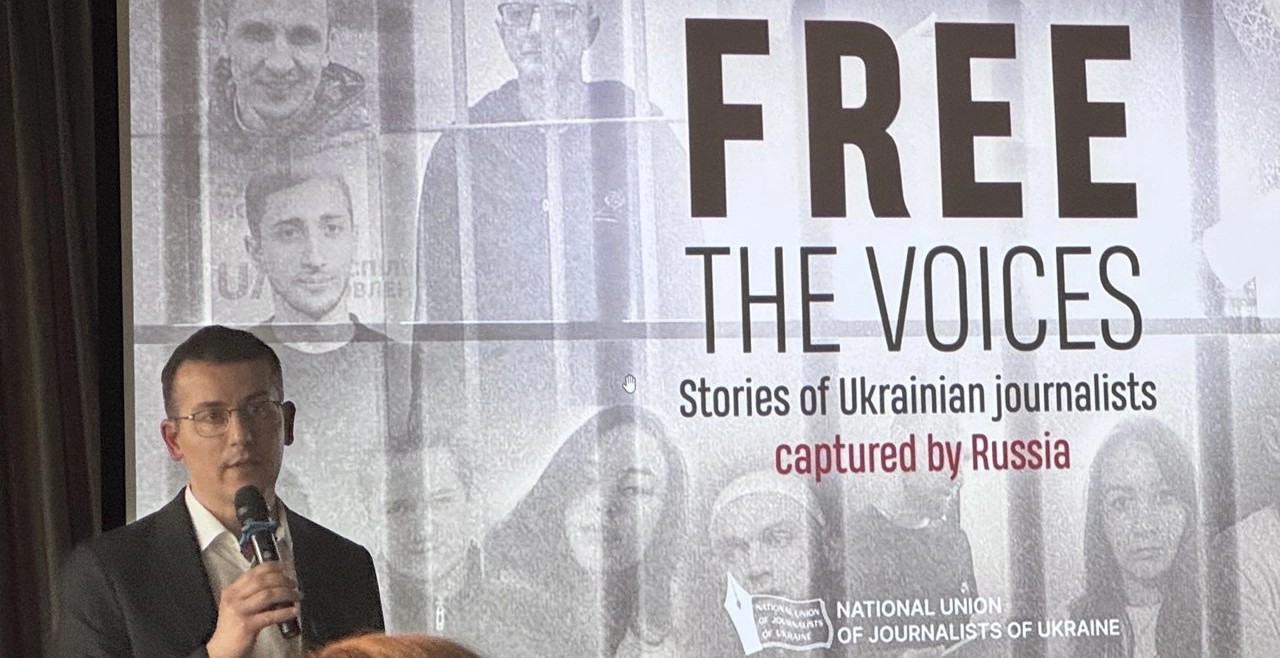
December 29, 2025 – Ukraine/Russia –
At least 26 Ukrainian journalists remain imprisoned by Russian authorities in 2025, highlighting the persistent risks and human rights abuses faced by media workers amid Russia’s ongoing full-scale invasion of Ukraine. According to reporting by Kyiv Post, these detentions form part of one of the world’s largest populations of jailed journalists, with many held on charges widely condemned by rights groups as politically motivated or fabricated.
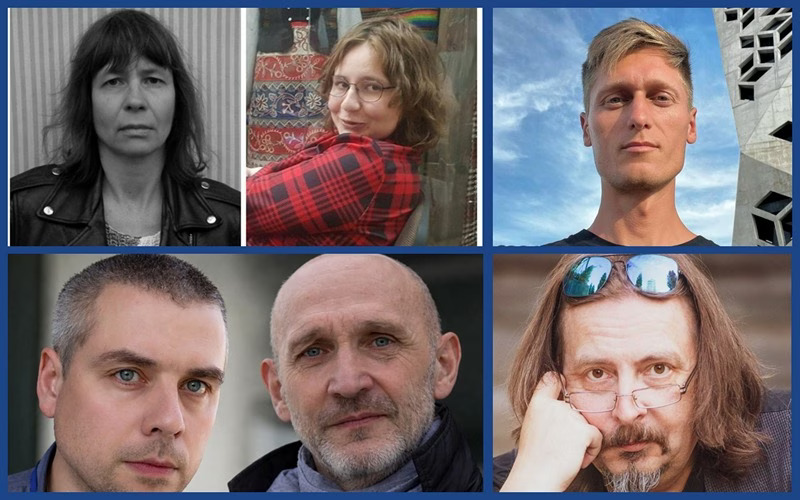
The journalists held in Russian custody include both professional reporters and citizen journalists arrested over the course of the conflict. Names documented include well-known correspondents such as Vladyslav Yesypenko, Dmytro Khyliuk, and Mark Kaliush, alongside local Telegram channel administrators like Iryna Danylovych, Oleksiy Bessarabov, Dmytro Shtyblikov, and Seyran Saliyev. Some of these individuals were detained as early as 2016 and 2017, long before the current phase of the war, while others were seized more recently in occupied regions such as Melitopol and Zaporizhzhia while reporting under hostile conditions.
Many detainees face serious allegations, including espionage and extremism, charges that press freedom and human rights organisations assert are often used by Russian authorities to justify long-term imprisonment of journalists and silence dissenting voices. The ongoing detention of Ukrainian media workers has become a focal point of advocacy by civil society and international organisations, which argue that the charges lack credible evidence and reflect broader efforts to suppress independent reporting on the war.
The dangers for Ukrainian journalists extend beyond imprisonment. According to the Institute of Mass Information, around 120 Ukrainian journalists have been killed since the start of Russia’s full-scale invasion, illustrating the conflict’s lethal toll on members of the press. Among those killed was Viktoriia Roshchyna, a 27-year-old investigative journalist who disappeared in 2023 and whose body was later returned from Russian custody, showing signs of torture and severe mistreatment.
Despite these grim statistics, there have been a few releases in 2025. Kyiv Post reported that Vladyslav Yesypenko, a correspondent for Radio Liberty detained in Russian-controlled Crimea for more than four years, was freed in June, and Dmytro Khyliuk of UNIAN was released in August after more than three years in captivity. These releases followed international pressure and negotiated arrangements, but many journalists remain in detention with uncertain prospects for freedom.
International bodies, including the Parliamentary Assembly of the Council of Europe, continue to urge Moscow to allow independent inspections of detention facilities and to halt abuses such as torture and incommunicado detention. European lawmakers have also sanctioned individuals implicated in mistreating detainees, including those linked to the death of Roshchyna, reinforcing calls for accountability.
The ongoing imprisonment of Ukrainian journalists underscores the broader challenges faced by media professionals in conflict zones, where coverage of hostilities and governance often places reporters at grave legal and physical risk. Press freedom advocates continue to call for the release of detained journalists and for enhanced international mechanisms to protect media workers amid the war.
Reference –
Related posts

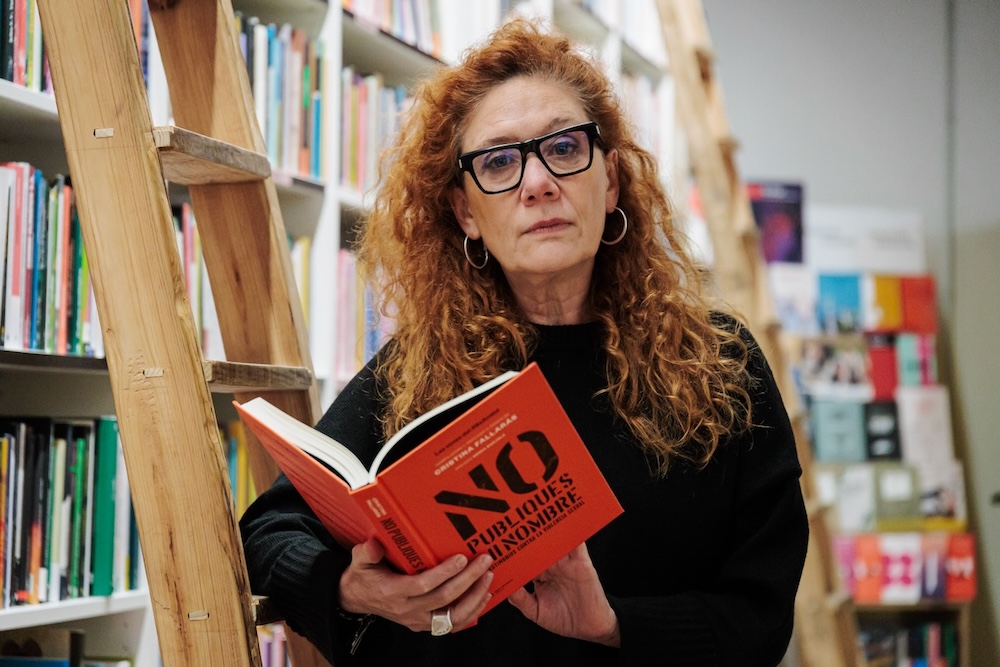
MADRID, SPAIN - NOVEMBER 13: The writer and journalist, Cristina Fallaras, poses during the presentation of her new book 'No publiques mi nombre', at the Ateneo La Maliciosa, on 13 November, 2024 in Madrid, Spain. Don't publish my name' collects the testimonies of dozens of women victims of sexual aggression. The book will be available in bookstores on November 20, although it is already available for pre-order in digital stores. (Photo By Carlos Lujan/Europa Press via Getty Images)