An Angolan journalist has been targeted with Predator spyware, prompting alarm among international press freedom and human rights organisations over the growing use of sophisticated surveillance tools against media workers in Africa.
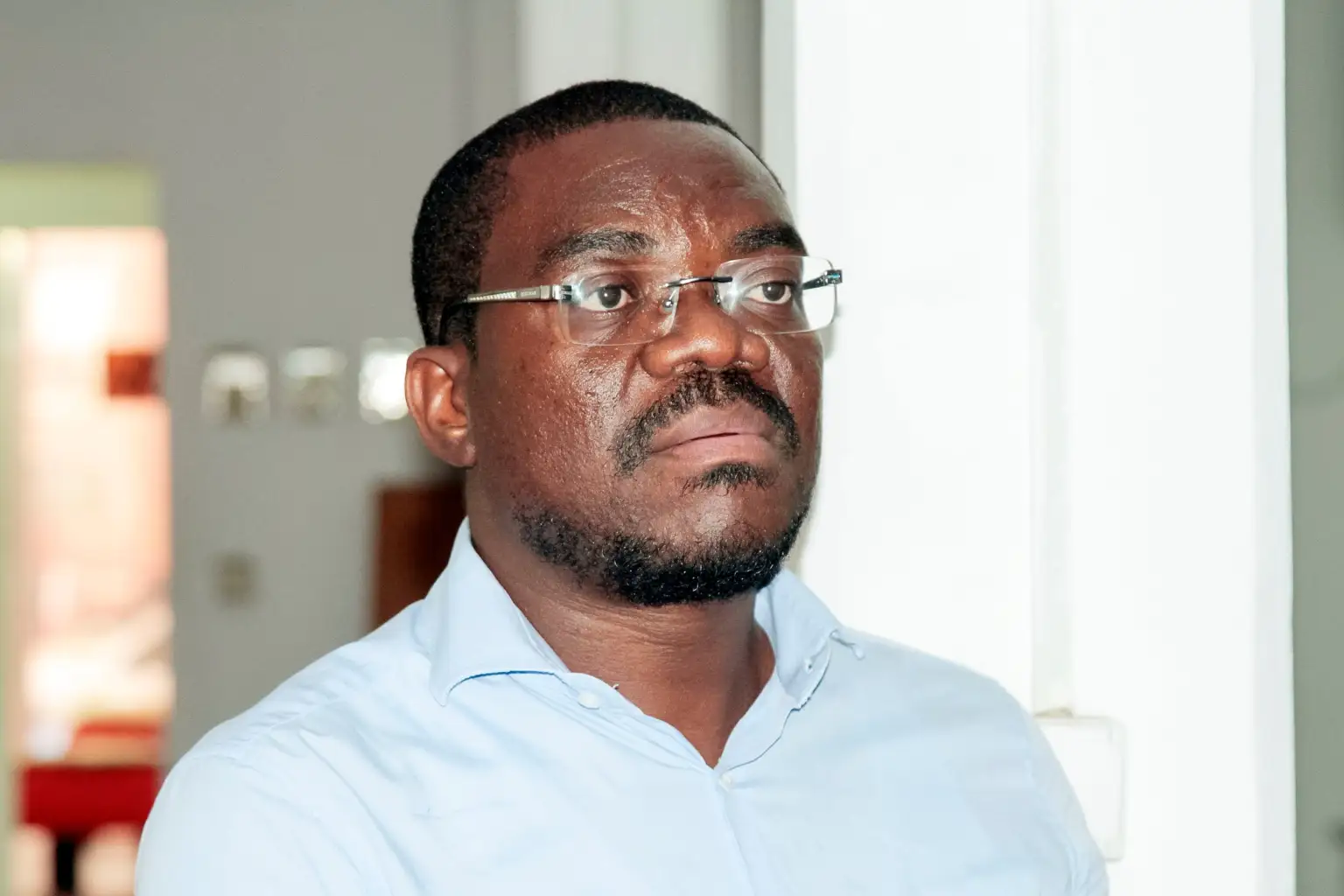
According to investigations published in February 2026 by the Committee to Protect Journalists (CPJ), Reporters Without Borders (RSF) and Amnesty International, veteran journalist Teixeira Cândido was subjected to covert digital surveillance through Predator, a powerful spyware capable of accessing phone data, messages, calls, microphones and cameras without the user’s knowledge. The discovery marks the first documented case of Predator spyware being used against a journalist in Angola.
Cândido, a well-known reporter and political commentator, said the revelation left him feeling deeply exposed. “I literally felt naked,” he told CPJ, describing the psychological impact of knowing that his private communications and professional sources may have been monitored. He has previously reported extensively on governance, corruption, and political accountability, making him a prominent critical voice in Angolan media.
RSF said the case represents a dangerous escalation in threats against journalists in the country, where physical harassment and legal pressure have historically posed greater risks than digital surveillance. The organisation warned that spyware use creates an environment of fear and self-censorship, particularly when journalists cannot be certain that their conversations with sources are secure.
Amnesty International said Predator spyware, like similar commercial surveillance tools, has been repeatedly linked to abuses worldwide, including the targeting of journalists, activists, and opposition figures. The organisation stressed that such technologies are often sold to state actors with little transparency or oversight, enabling their misuse against individuals engaged in lawful expression and reporting.
Rights groups called on Angolan authorities to immediately investigate who authorised the surveillance, disclose whether state agencies were involved, and guarantee protections for journalists’ privacy and safety. They also urged Angola to strengthen legal safeguards governing digital surveillance and ensure compliance with international human rights standards.
CPJ emphasised that digital attacks on journalists can be as damaging as physical ones, undermining press freedom by exposing confidential sources and chilling investigative reporting. “Journalists cannot do their jobs if they fear every call or message is being monitored,” the organisation said.
The case has added to growing global concern over the unchecked proliferation of spyware technology and its impact on press freedom. Media rights advocates warn that without stronger regulation and accountability, such tools will continue to be weaponised against journalists, threatening independent reporting and the public’s right to information in Angola and beyond.
Reference –
https://www.reuters.com/business/media-telecom/prominent-angolan-journalist-targeted-with-predator-spyware-2026-02-18/
https://rsf.org/en/journalist-teixeira-c%C3%A2ndido-surveilled-predator-spyware-first-angola
‘I literally felt naked’: Angolan journalist Teixeira Cândido targeted with Predator spyware
Angola: Prominent journalist hacked with Predator spyware