
Verstappen’s Press Room Clash Raises Questions Over Media Access
March 26, 2026
Turkish Court Lifts Furkan Karabay’s House Arrest Amid Ongoing Press Freedom Concerns
March 26, 2026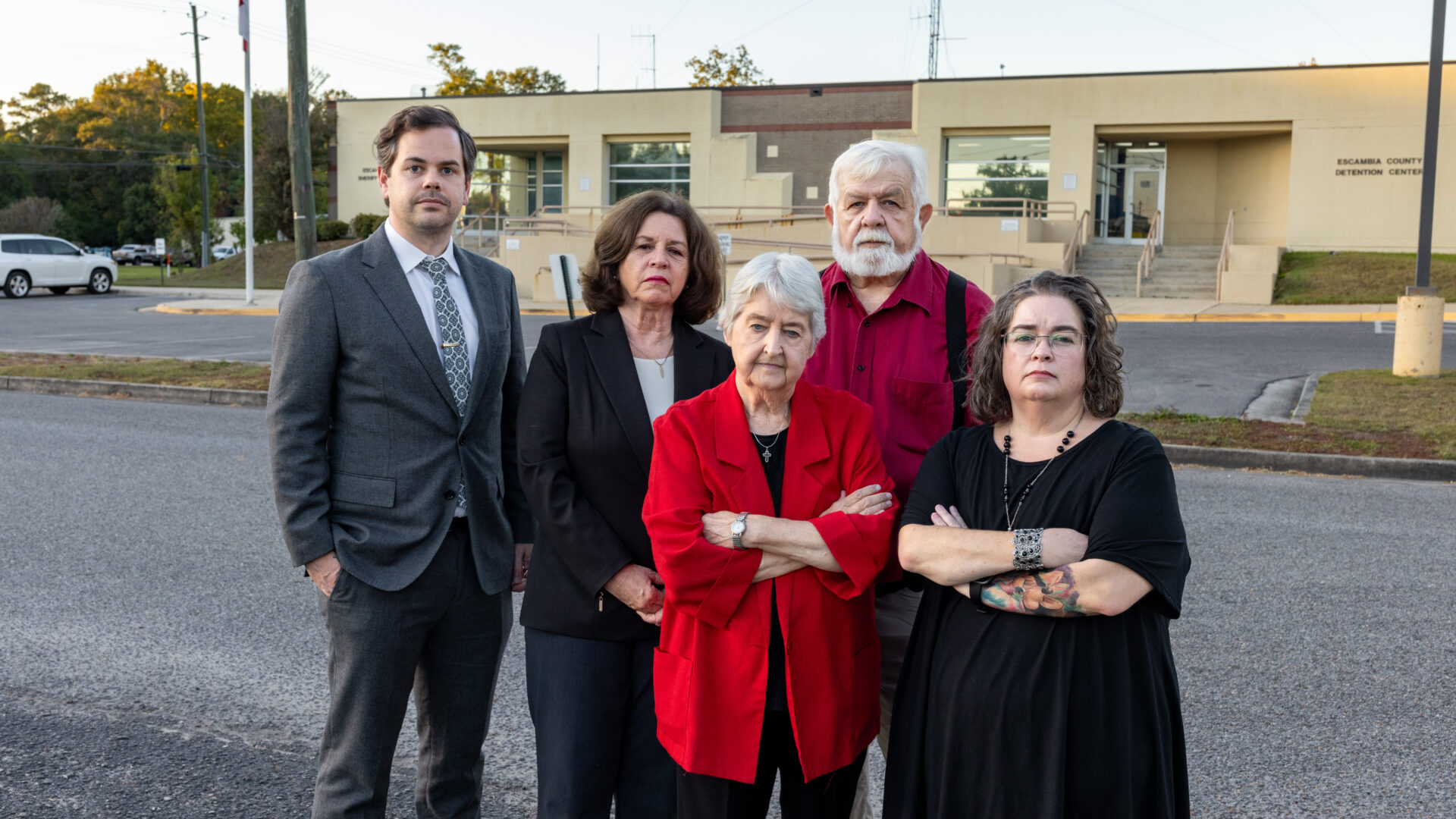
March 26, 2026 – USA –
A federal court in Alabama has allowed key parts of a lawsuit to proceed against a local prosecutor and law enforcement officials accused of orchestrating retaliatory arrests, including the detention of a journalist, in a case raising serious concerns about press freedom and abuse of power.
The ruling centers on Escambia County District Attorney Stephen Billy and Sheriff Heath Jackson, who are being sued alongside several deputies by four plaintiffs, including journalist Don Fletcher of the Atmore News. The lawsuit alleges that the officials targeted the group after they exposed and opposed local government actions, particularly decisions involving a school superintendent.
In its decision, the court rejected significant portions of Billy’s claim to prosecutorial immunity, allowing claims tied to alleged unconstitutional searches, seizures, and retaliatory actions to move forward. While some claims were dismissed, the judge ruled that several allegations, including violations of First and Fourth Amendment rights, were sufficiently supported to proceed to further stages of litigation.
The case stems from a series of arrests in 2023 involving Fletcher and three others, collectively known as the “Atmore Four.” According to the lawsuit, the group was charged with serious offenses, including felonies that carried potential prison sentences, after reporting on and opposing local officials. The plaintiffs argue the charges were baseless and part of a broader effort to silence criticism and intimidate political opponents.
Legal representatives from the Institute for Justice, which is supporting the plaintiffs, described the court’s decision as a critical step toward accountability. They argue that the case highlights the dangers of officials using their authority to retaliate against journalists and citizens engaged in protected speech.
The arrests reportedly involved invasive measures, including jail detention and public exposure, amplifying concerns over the chilling effect such actions could have on local journalism and civic participation. Although charges were eventually dropped, the plaintiffs maintain that the damage caused by the arrests and investigations was significant and lasting.
The court’s decision does not determine liability but ensures that the case will proceed, potentially leading to further scrutiny of how prosecutorial and law enforcement powers were exercised. The outcome may carry broader implications for press freedom protections and the limits of qualified immunity when journalists are targeted for their reporting.
Reference –