
Press-Freedom Groups Alarmed After Photojournalist Detained by ICE Over Social Media Activity
December 12, 2025
Pope Urges Italian Intelligence Services Not to Smear Journalists or Politicians
December 12, 2025
December 12, 2025 – General –
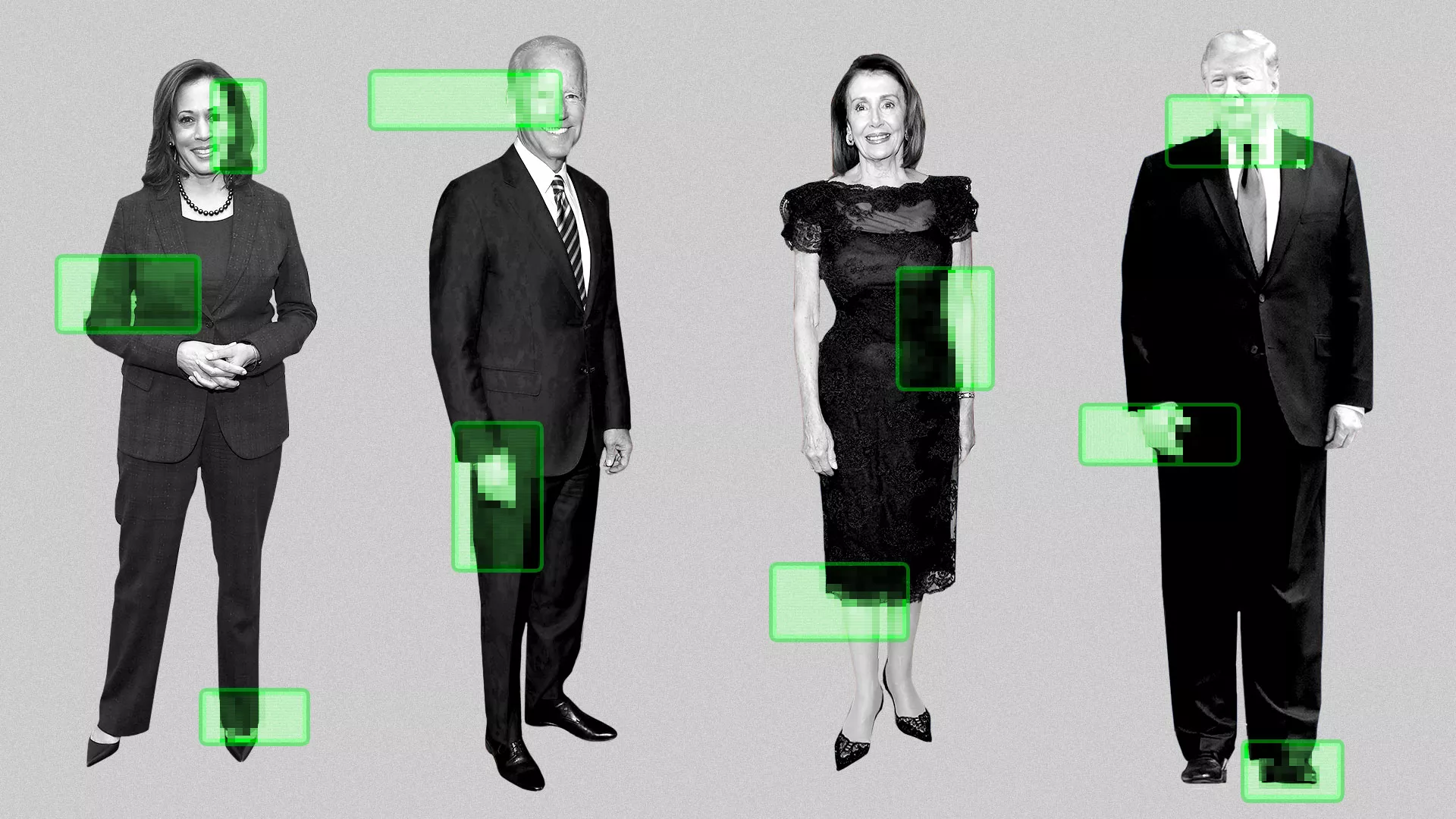
An artificial intelligence tool used by a major media outlet mistakenly flagged a reporter from ABC’s crime podcast unit as being connected to criminal activity, prompting industry-wide alarm about the risks of automated systems misidentifying journalists and compromising their safety and reputation. The incident, reported by The Guardian, highlights broader concerns about the use of AI in newsrooms — especially when algorithms handle sensitive information related to crime and security reporting.
According to The Guardian, an AI system designed to assist with crime research generated a report that included the name of an ABC journalist, erroneously associating them with criminal behavior. The false identification circulated internally and initially influenced parts of the editorial workflow before the error was discovered and corrected. While the misidentification did not lead to legal action against the journalist, the episode illustrates how AI tools, if not rigorously checked, can produce harmful inaccuracies that have real-world consequences.
Press-freedom advocates and media professionals say the incident underscores the challenges of integrating AI into journalistic processes without sufficient safeguards. Automated systems trained on imperfect datasets can sometimes conflate names or patterns, especially in high-stakes contexts like crime reporting. When such errors occur, they can damage a journalist’s credibility, expose them to harassment or legal risk, and erode public trust in both the technology and the news organization using it.
Experts stress that the responsibility for verification ultimately lies with human editors, and that AI should be treated as a tool to augment reporting — not a substitute for rigorous fact-checking and ethical judgment. Many newsrooms already have editorial protocols to vet sources and cross-check information before publication; the ABC incident has prompted calls for enhanced “AI literacy” training and robust review procedures to prevent similar mistakes.
Beyond newsroom practices, the misidentification has sparked conversations about regulatory and ethical frameworks governing AI use in journalism. Some advocates argue for clearer industry standards and transparency around how AI systems make decisions, particularly when those decisions involve individuals’ names and reputations.
For the ABC reporter at the center of the error, colleagues emphasized that the episode did not reflect any actual wrongdoing, and the journalist continued their work unhindered. Still, the wider media community is taking the incident as a cautionary tale: as newsrooms increasingly adopt AI tools, vigilance, transparency, and human oversight will be essential to protect both journalists and the integrity of the information they produce.
Reference –
https://www.theguardian.com/media/2025/dec/12/ai-wrongfully-names-reporter-abc-crime-podcast