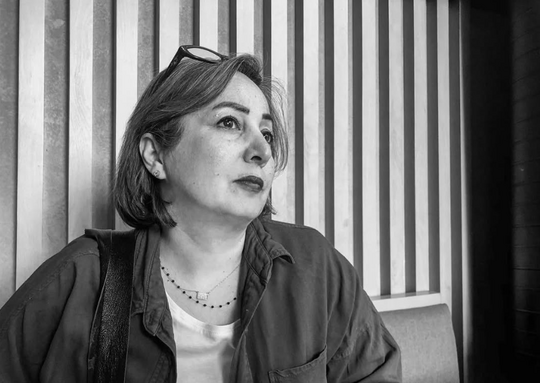
Iranian Photojournalist Aaliyah Motabalzadeh Arrested During Mashhad Gathering, IFJ Condemns Detention
December 17, 2025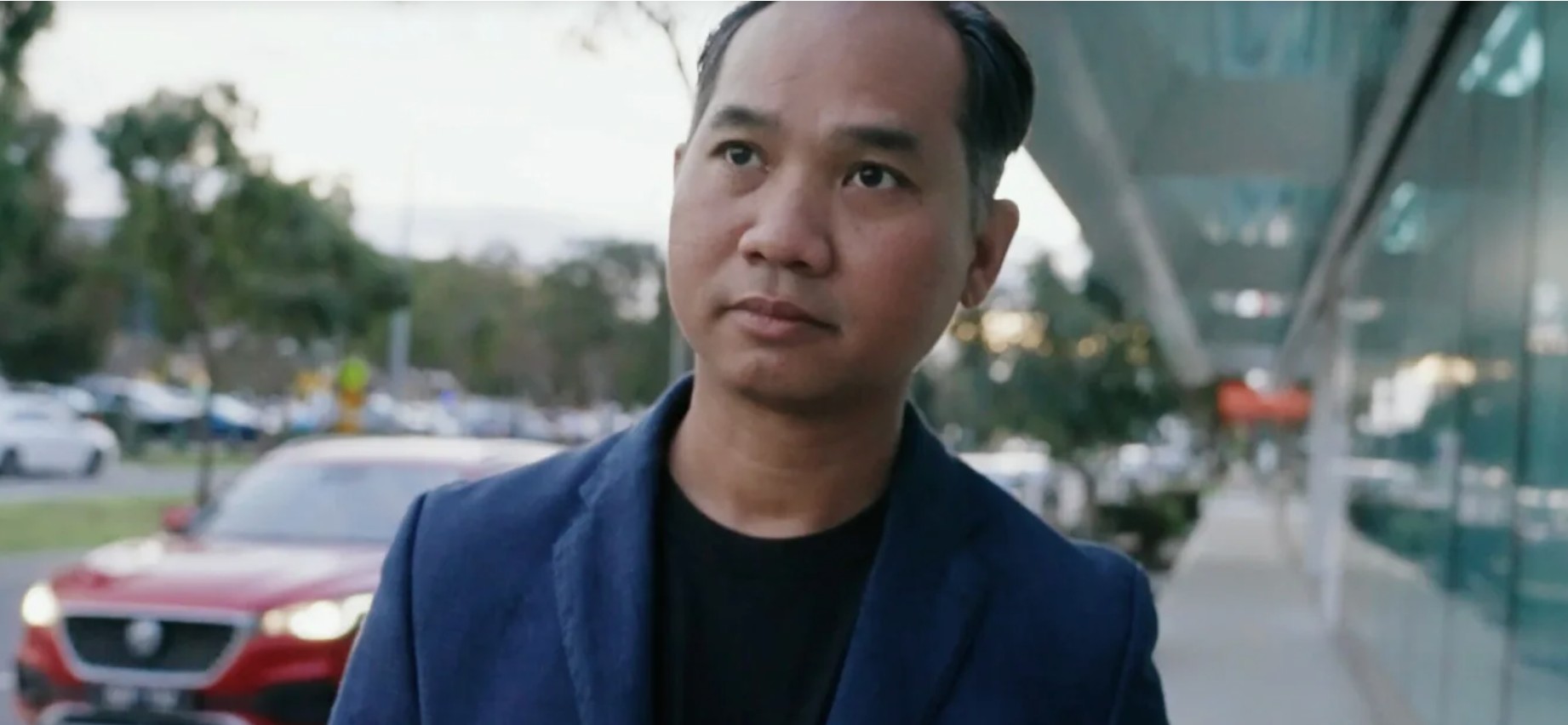
Myanmar Photojournalist Sai Zaw Thaike Should Be Freed, Rights Groups Say
December 17, 2025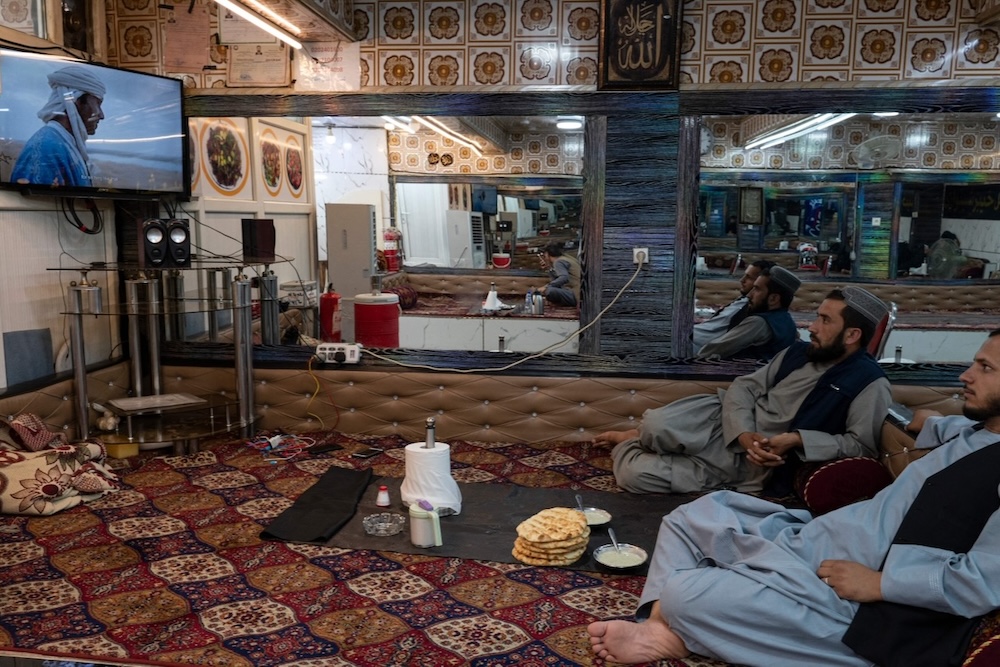
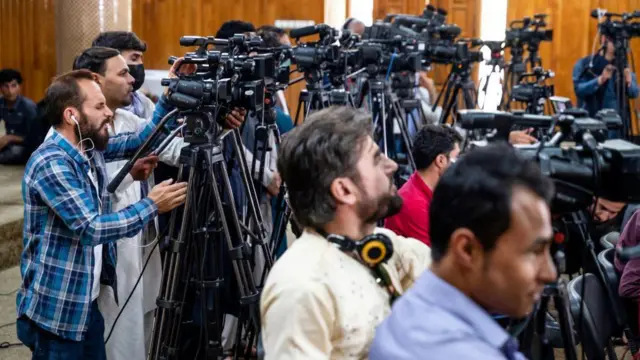
In this photo taken on August 9, 2022, Afghan men watch television in a restaurant in Kabul. - One year on from the Taliban's return to power in Afghanistan, some cracks are opening within their ranks over the crucial question of just how much reform their leaders can tolerate. Infamous during their first reign for their brutal crackdowns on rights and freedoms, the Islamists vowed to rule differently this time. - TO GO WITH 'Afghanistan-Taliban-OneYear-Kandahar' FOCUS (Photo by Wakil KOHSAR / AFP) / TO GO WITH 'Afghanistan-Taliban-OneYear-Kandahar' FOCUS (Photo by WAKIL KOHSAR/AFP via Getty Images)
December 17, 2025 – Afghanistan –
The Afghanistan Journalists Center (AFJC) has welcomed the release of two media professionals from Rasa Television who had been detained for approximately ten months, underscoring significant ongoing pressures on independent news workers under the current Afghan authorities. Ghulam Mohiuddin Sahibzada, editor-in-chief of Rasa TV, and reporter Jihadmal Habibi were freed on 15 December 2025, after completing lengthy detention that rights groups describe as arbitrary and linked to their journalistic work. Both had been held at Bagram Prison following their arrest in February 2025 by forces associated with the Taliban’s General Directorate of Intelligence (GDI).
The pair were sentenced in March 2025 by a Kabul court on charges of “propaganda against the Islamic Emirate of Afghanistan” — a charge that advocacy groups have criticised as broadly defined and misused to target media professionals. According to the AFJC, Sahibzada and Habibi were tried without access to legal representation, raising questions about the fairness of the proceedings and adherence to basic judicial norms.
Despite their release, Rasa TV has not been permitted to resume broadcasting. The station’s offices remain closed, and equipment seized during the raid has not been returned, effectively silencing the outlet. Founded in Kabul in 2019, Rasa Television specialised in social reporting and rebroadcasting international documentaries on topics including the environment, climate, and wildlife. The AFJC has condemned the ongoing closure as a direct attack on independent journalism in Afghanistan.
Press freedom organisations emphasise that the release of Sahibzada and Habibi, while a positive step, does not change the broader challenging environment facing Afghan journalists. At least five other reporters and media activists remain detained by Taliban authorities, with some serving sentences imposed by de facto courts. According to these groups, dozens of media outlets have shut down since the Taliban returned to power in August 2021, and journalists continue to face intimidation, arrest, and restrictions on their work.
The AFJC has called on the de facto authorities to allow Rasa TV to reopen and to respect international standards of press freedom, including ensuring that journalists can work without fear of detention or censorship. It further stressed the need for legal protections that allow media professionals to operate safely and contribute meaningfully to public discourse without retribution for their reporting.
Reference –