An international campaign is calling for the removal of European Union sanctions imposed on journalist Hüseyin Doğru, with supporters arguing the measures represent a serious threat to press freedom and democratic rights across Europe. The campaign was highlighted in a statement published by DiEM25, which described the sanctions as politically motivated and lacking judicial oversight.
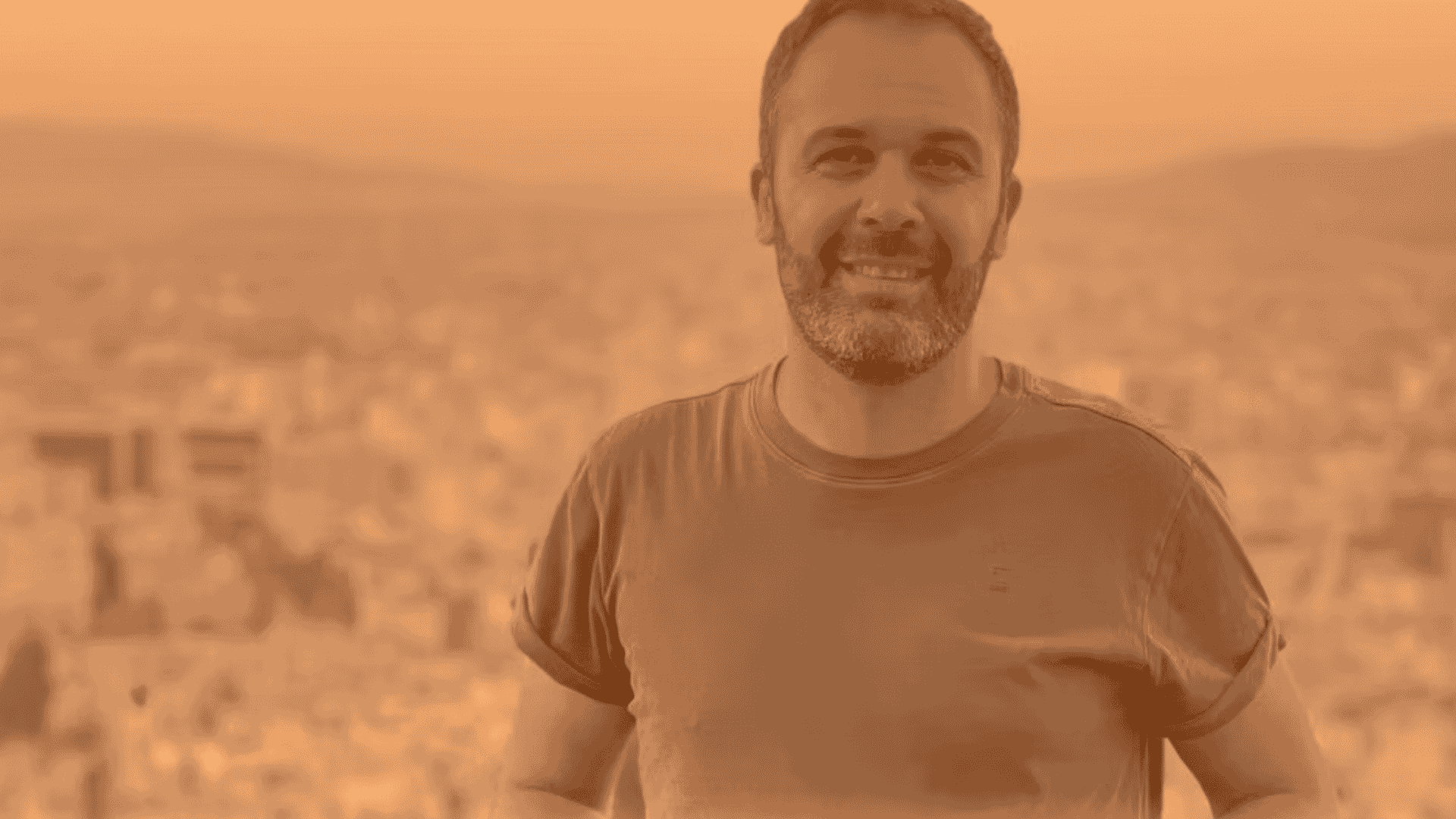
Doğru is the founder of the independent media outlet red. media, which reported extensively on social movements and pro-Palestinian demonstrations in Germany and other European countries. According to DiEM25, the EU sanctioned Doğru in May 2025 without a criminal conviction, trial, or formal hearing. The organization said the penalties were imposed through what it called an opaque political process that bypassed basic legal protections.
The EU accused Doğru and red. media of spreading false information and contributing to political and religious discord among audiences in Germany. The sanctions also alleged links between the outlet and Russian state-backed narratives. Doğru has rejected the accusations, maintaining that his reporting focused on documenting protests, police actions, and political activism related to Palestine solidarity movements in Germany.
DiEM25 stated that pressure surrounding the sanctions ultimately forced red. media to cease operations. The organization argued that sanctioning a journalist over political reporting sets a dangerous precedent for independent media outlets across Europe and warned that extrajudicial punishment could increasingly be used against critical journalists.
Several public figures have expressed support for the campaign demanding the lifting of sanctions, including Yanis Varoufakis, Roger Waters, Jeremy Corbyn, and Claire Daly.
The case has also generated significant online debate, with critics questioning the legality of sanctions imposed without criminal proceedings, while others defended the EU’s actions by citing alleged links to Russian-backed influence operations. Discussions on social media platforms and online forums have reflected growing divisions over freedom of expression, media regulation, and government responses to reporting on Palestine-related activism in Europe.