Amnesty International Urges Bangladesh to Drop Charges Against Journalists
May 21, 2026
CPJ Warns Journalists of Risks While Covering 2026 FIFA World Cup in North America
May 21, 2026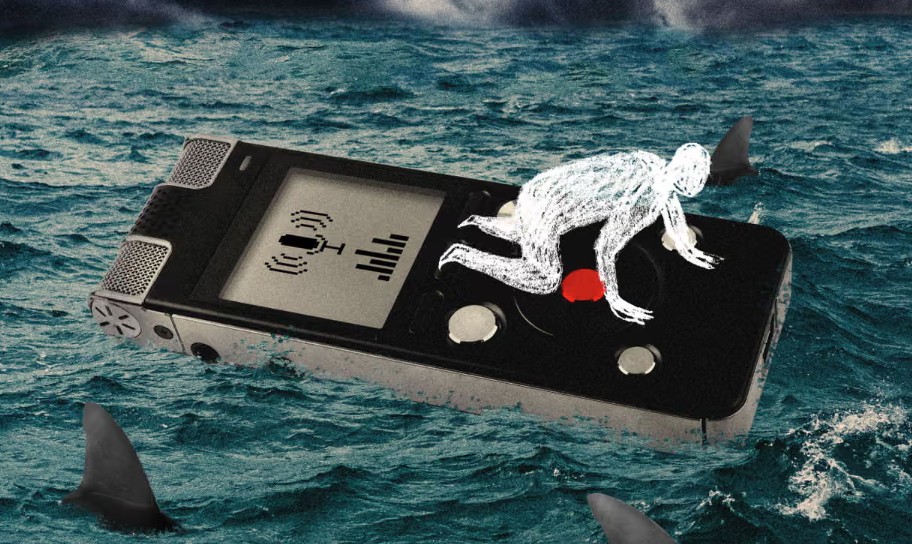
May 21, 2026 – General –
Growing concern over violence and harassment targeting women journalists has intensified global discussions about the relationship between misogyny and press freedom. A recent analysis published by The Guardian argued that attacks on women in journalism cannot be separated from broader debates surrounding media freedom, democratic accountability, and freedom of expression.
The article explained that women journalists increasingly face gender-based abuse both online and offline, including harassment, intimidation, threats of sexual violence, coordinated smear campaigns, and targeted disinformation. According to the report, these attacks are often designed not only to intimidate individual journalists but also to discourage women from participating in public discourse and investigative reporting.
The analysis highlighted that female reporters covering politics, war, corruption, feminism, and human rights issues are particularly vulnerable to coordinated harassment campaigns. Online abuse frequently includes misogynistic slurs, doxing, manipulated images, and threats directed at journalists’ families or personal lives. Researchers and press freedom advocates cited in the article argued that such attacks aim to undermine credibility while silencing critical reporting.
Data referenced in the article showed that digital harassment can escalate into physical threats and real-world violence. UNESCO research cited in the report found that a significant proportion of women journalists experiencing online abuse later encountered physical intimidation or assault. Press freedom organizations have warned that the normalization of misogynistic abuse contributes to self-censorship and pushes some women out of journalism entirely.
The article also examined the broader political and technological environment contributing to these trends. Social media platforms were criticized for failing to adequately protect journalists from coordinated abuse and gendered harassment campaigns. Researchers argued that algorithms rewarding outrage and engagement can amplify misogynistic attacks, making women journalists disproportionately vulnerable in digital spaces.
The report linked rising hostility toward women journalists to wider global pressures on press freedom. International monitoring groups have documented increasing attacks on reporters in authoritarian states, conflict zones, and polarized political environments. Women journalists often face overlapping risks connected to both political repression and gender discrimination.
The analysis further argued that protecting press freedom requires addressing structural misogyny within media systems and society more broadly. Recommendations included stronger newsroom safety policies, legal protections against online abuse, better moderation systems on digital platforms, and greater institutional support for women reporters facing harassment.
The article concluded that misogyny is not a separate issue from press freedom but a central factor shaping who can safely participate in journalism. Media advocates warned that failure to address gender-based attacks risks weakening independent reporting, reducing diversity within newsrooms, and limiting the public’s access to critical information.
Reference –