
Medical Journal Retracts Stent Study Nine Years After Journalist Investigation
May 17, 2026
The Skills, Risks, and Methods Behind Investigative Journalism
May 20, 2026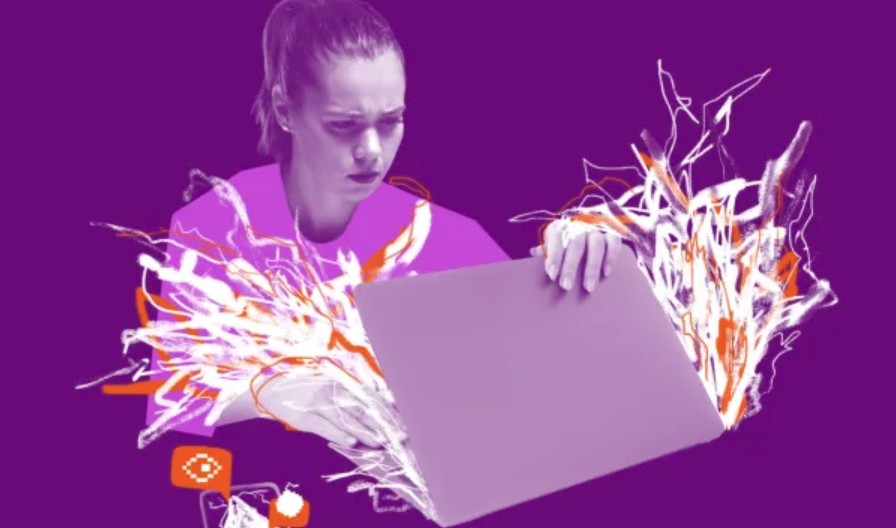
A new report published by UNESCO has highlighted the growing scale and impact of online violence targeting women journalists, warning that digital harassment is increasingly threatening press freedom, mental health, and the ability of reporters to safely participate in public discourse.
The report examined patterns of online abuse directed at women working in journalism across multiple regions and media platforms. According to UNESCO, female journalists are frequently subjected to coordinated harassment campaigns that include threats of violence, misogynistic attacks, sexualized abuse, doxxing, disinformation, and intimidation intended to silence or discredit their reporting.
Researchers found that online attacks often intensify when women journalists report on politically sensitive subjects such as corruption, elections, armed conflict, gender rights, extremism, or human rights abuses. The report also noted that journalists from marginalized communities frequently experience compounded forms of abuse involving racism, religious discrimination, or ethnic targeting alongside gender-based harassment.
UNESCO warned that online violence increasingly produces real-world consequences for journalists. Many participants in the study reported experiencing anxiety, depression, fear for personal safety, reputational harm, and professional disruption as a result of sustained digital abuse. Some journalists said they reduced their public engagement, avoided certain reporting topics, or withdrew from online spaces entirely due to harassment threats. Researchers argued that these outcomes contribute to broader patterns of self-censorship and reduced diversity within public discourse.
The report also criticized social media platforms for inconsistent enforcement of policies addressing harassment and abusive behavior. Researchers noted that many journalists struggle to obtain timely responses when reporting threats, impersonation, or coordinated attacks online. Advocacy groups have repeatedly called on technology companies to strengthen moderation systems and improve protections for media workers facing targeted harassment campaigns.
Press freedom organizations emphasized that online violence should be treated as a serious threat to journalism rather than a routine occupational hazard. Media rights advocates warned that digital intimidation can undermine investigative reporting and discourage women from entering or remaining in the profession.
UNESCO urged governments, technology companies, media organizations, and civil society groups to adopt stronger protections for women journalists, including legal safeguards, digital security support, mental health resources, and accountability mechanisms addressing online abuse. Researchers concluded that defending women journalists from digital violence remains essential for protecting freedom of expression, media diversity, and democratic participation in increasingly online information environments.
Reference –