

Delhi Court Orders Removal of Articles Targeting Journalist
May 17, 2026
Concerns Grow Over Alleged Targeting of Female Journalists by FBI
May 17, 2026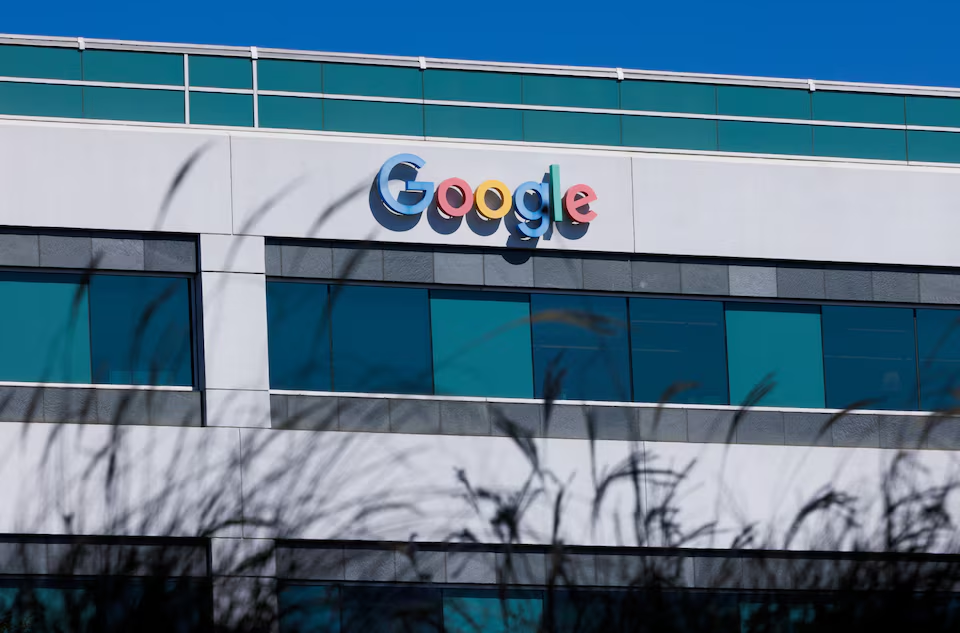
May 17, 2027 – General –
A group of journalists and voice actors has filed a lawsuit against several major technology companies, accusing them of unlawfully using their voices to train artificial intelligence systems without consent. The case has intensified the growing global debate over generative AI, digital identity rights, and the protection of journalists and media professionals from unauthorized technological exploitation.
According to reports, the lawsuit alleges that companies, including Google, used recorded audio from journalists, broadcasters, and voice performers to develop AI-generated voice technologies capable of replicating speech patterns and vocal characteristics. Plaintiffs argue that the companies collected and processed voice data without permission, compensation, or proper disclosure.
The legal complaint was reportedly filed in Illinois under state biometric privacy laws, which are considered among the strictest digital privacy protections in the United States. The plaintiffs claim that AI developers extracted vocal data from publicly available broadcasts, interviews, and recordings to improve synthetic voice systems capable of mimicking human speech with increasing accuracy.
Journalists involved in the case argued that unauthorized voice replication poses serious professional and ethical risks, particularly for reporters whose credibility depends on public trust and accurate attribution. Media advocates warned that AI-generated voice cloning could enable misinformation, impersonation, and fabricated audio content falsely appearing to originate from real journalists or broadcasters.
The lawsuit also reflects broader concerns within the media industry about how generative AI systems are trained on journalistic work, photographs, videos, and archival recordings. News organizations, writers, musicians, and performers have increasingly challenged technology companies over the use of copyrighted or personally identifiable material in AI development processes without licensing agreements or consent.
Legal experts noted that biometric privacy laws may become central to future disputes involving AI-generated voices and digital identity protections. Several courts in the United States are already reviewing cases involving facial recognition systems, synthetic media technologies, and unauthorized collection of biometric data.
Press freedom and media rights organizations emphasized that journalists face unique vulnerabilities as AI-generated impersonation tools become more advanced and widely accessible. Advocates warned that realistic synthetic audio could be weaponized to spread disinformation, damage reputations, or undermine confidence in legitimate journalism.
The lawsuit marks another major legal challenge confronting the rapidly expanding AI industry as governments, courts, and regulators continue to struggle to define protections for intellectual property, biometric privacy, and the ethical use of digital content in artificial intelligence systems.
Reference –