
Gaza Filmmakers Accuse BBC of Censorship After BAFTA Win for Shelved Documentary
May 12, 2026
South African Media Dispute Sparks Debate Over Accountability and Transparency
May 13, 2026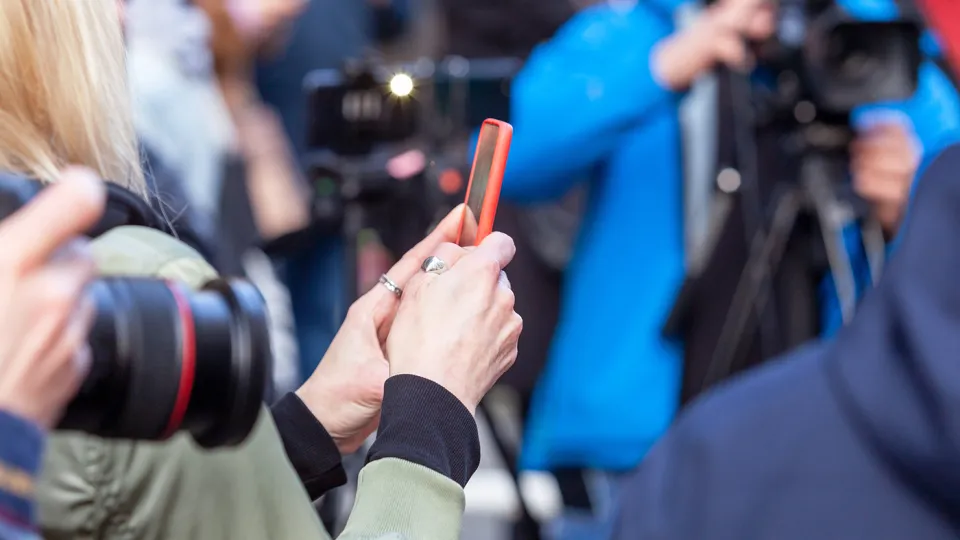
May 13, 2026 – General –
The rise of citizen journalism is reshaping how audiences consume and trust news, according to recent discussions examining the growing influence of public reporting and visual storytelling. As smartphones and social media platforms become more accessible, ordinary people are increasingly documenting major world events themselves, often sharing footage and images before professional journalists arrive at the scene.
The articles explain that this shift has challenged the dominance of traditional media organizations. Audiences frustrated with political bias, corporate influence, and selective reporting are turning toward firsthand accounts shared online. Citizen journalism has therefore become a powerful force during protests, humanitarian crises, and conflicts, where witnesses can instantly broadcast information to global audiences without relying on established news outlets.
At the same time, the role of photojournalism remains central in shaping public understanding of important events. Powerful photographs continue to influence emotions, public debate, and historical memory. Images captured during moments of violence, injustice, or resistance often become symbols that define public perception long after the event itself has ended. The articles emphasize that photography can communicate urgency and human experience in ways that written reporting sometimes cannot.
However, the growing influence of citizen journalism has also raised concerns surrounding accuracy, misinformation, and ethics. While public participation has widened access to information, unverified content can spread rapidly online without proper context or fact-checking. This has increased pressure on professional journalists to verify material carefully while remaining transparent about their reporting methods.
Despite these challenges, the articles suggest that citizen journalism and traditional reporting are increasingly interconnected rather than competing forces. Citizens frequently provide immediate access to unfolding events, while professional journalists contribute investigation, verification, and broader analysis. Together, they are transforming the media landscape and changing how societies record, interpret, and remember significant moments in history.
The articles ultimately portray modern journalism as a shared space where professionals and the public influence one another continuously. As trust in institutions evolves, audiences are no longer passive consumers of information. Instead, they actively participate in documenting events, preserving evidence, and shaping conversations that can affect political accountability, humanitarian awareness, and collective memory across the world.
Reference –
https://thehill.com/opinion/campaign/5873753-citizen-journalism-rise-trust/
https://www.tate.org.uk/art/art-terms/p/photojournalism/power-people