
California Journalism Debate Intensifies as Critics Warn Proposed Fraud-Related Bill Could Chill Investigative Reporting
May 12, 2026
European Press Freedom Groups Urge EU Ministers to Confront Serbia Over Escalating Media Repression
May 12, 2026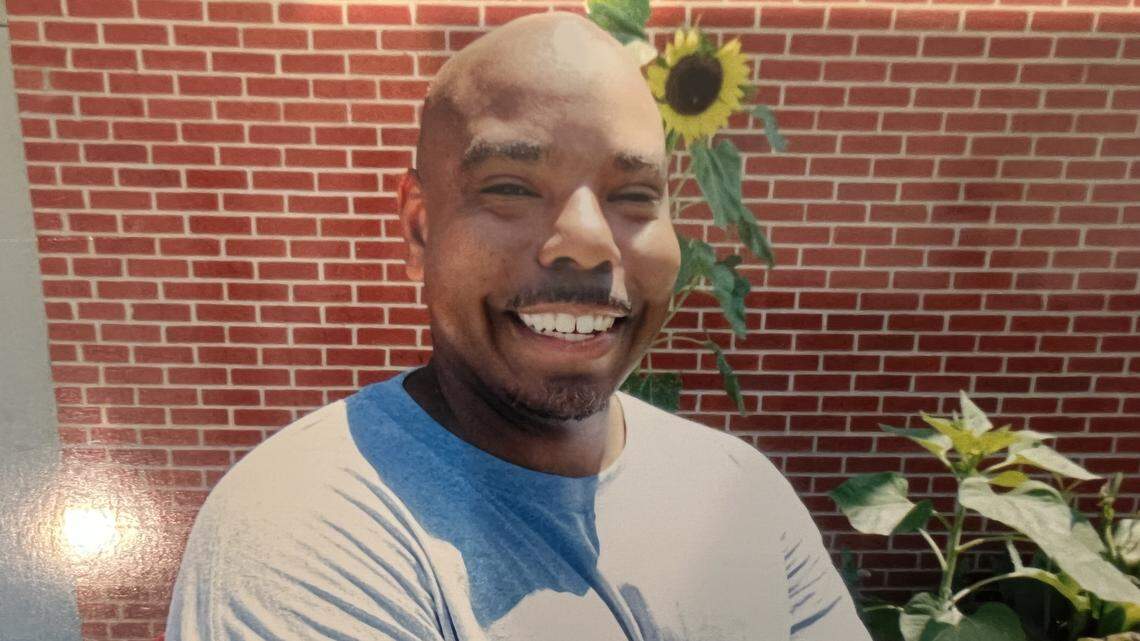
May 12, 2026 – USA –
An incarcerated writer in North Carolina has been named “prison journalist of the year” for his reporting from inside the state’s correctional system, drawing attention to inmate-produced journalism that documents daily conditions, personal experiences, and broader issues within prisons.
According to reporting from the News & Observer, the award recognizes Phillip Vance Smith, who has produced written work from within prison that focuses on lived experiences behind bars, including accounts of incarceration conditions and reflections on justice and rehabilitation. The recognition highlights the growing visibility of inmate journalism programs that allow incarcerated individuals to publish reporting and commentary under supervised platforms.
Smith’s work has been noted for its focus on portraying the realities of prison life, including institutional challenges and the human impact of long-term incarceration. Supporters of prison journalism initiatives argue that such writing provides a rare perspective on correctional systems that are often inaccessible to external reporters.
The award comes amid broader discussions in the United States about rehabilitation, prison transparency, and access to information within correctional institutions. Programs that support incarcerated writers have expanded in recent years, with some institutions and nonprofit organizations offering training, editorial guidance, and publication opportunities.
Advocates of these initiatives say they help amplify voices that are frequently excluded from mainstream media coverage, while also contributing to public understanding of criminal justice systems. Critics, however, have at times questioned editorial oversight and the challenges of verifying information produced within restrictive environments.
The recognition of Smith’s work also reflects a wider trend in journalism where alternative and community-based reporting models are gaining attention, particularly in contexts where traditional reporting access is limited. Inmate journalism programs have increasingly been cited as a form of participatory storytelling that bridges gaps between incarcerated populations and the public.
While details of the specific award categories and ceremony were not extensively outlined in the available reporting, the acknowledgment places prison journalism within a broader landscape of emerging media formats focused on underreported communities and institutional accountability.
The development underscores ongoing interest in how journalism can operate inside closed systems and how such reporting contributes to conversations about reform, rehabilitation, and transparency in the criminal justice system.
Reference –
https://www.newsobserver.com/news/local/article315671051.html