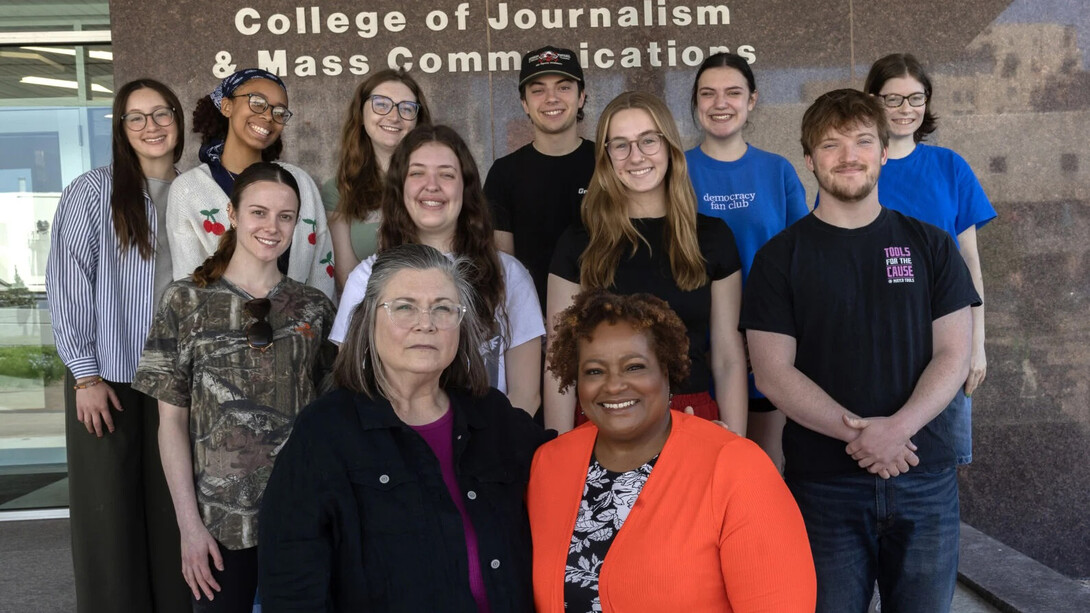

Lookout Wins Multiple Journalism Awards for Investigative Reporting on State Hospital and Food Insecurity Coverage
May 12, 2026
North Carolina Inmate Recognized for Prison Journalism Work Highlighting Life Inside Correctional System
May 12, 2026
May 12, 2026 – USA –
A new opinion debate has emerged over a proposed California legislative effort that critics argue could expose independent journalists to criminal liability when reporting on alleged fraud, particularly in cases involving public funds and nonprofit or service-provider networks.
The commentary, published in The Washington Post and republished across platforms, argues that state-level policy proposals aimed at preventing harassment or misuse of personal data may unintentionally restrict legitimate investigative journalism. It suggests that journalists who document public records, inspect service providers, or publish identifying details in fraud-related investigations could face legal risk under broadly defined protections.
According to the piece, independent reporters and citizen investigators have played a significant role in uncovering alleged fraud schemes involving public programs, particularly in areas such as childcare services and social welfare funding. Supporters of these reporting efforts argue that transparency work often depends on publishing names, locations, and documentation that may fall under newly proposed restrictions if not carefully exempted.
Critics of the proposed approach warn that vague legal language around “harassment” or “doxxing” could be applied in ways that discourage journalists from pursuing sensitive investigations. They argue that even good-faith reporting could be interpreted as targeting individuals or organizations, leading to potential chilling effects on press activity.
The debate has also drawn broader attention to the tension between privacy protections and transparency in public spending oversight. Proponents of stricter rules say they are designed to protect vulnerable individuals and service providers from harassment, while opponents argue that such measures risk limiting accountability reporting on how taxpayer funds are used.
The commentary situates the dispute within a wider national conversation about the role of independent journalism in exposing fraud and misconduct, particularly as citizen-led investigations increasingly rely on digital tools, public records requests, and social media documentation. It argues that these methods, while sometimes controversial, have contributed to uncovering systemic misuse of funds in multiple states.
Legal analysts and media advocates cited in the discussion emphasize the importance of carefully balancing protections against harassment with First Amendment safeguards for newsgathering. They caution that overly broad restrictions could unintentionally affect standard investigative practices used by professional journalists.
The issue remains under active debate, with lawmakers, journalists, and policy groups continuing to dispute how fraud prevention measures should be structured without undermining press freedom or public accountability mechanisms.
Reference –
https://www.aol.com/news/california-tries-criminalize-journalism-protect-021447027.html