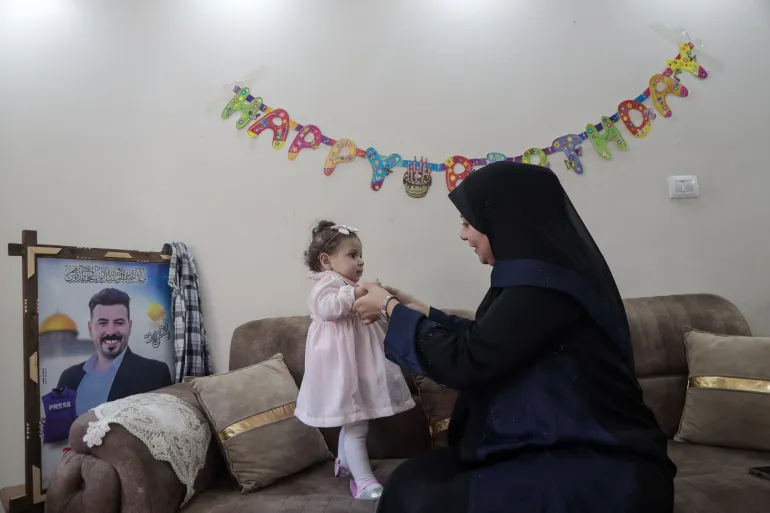
Born Into Grief as Gaza Journalist Yahya Sobeih Is Killed Hours After Daughter’s Birth
May 7, 2026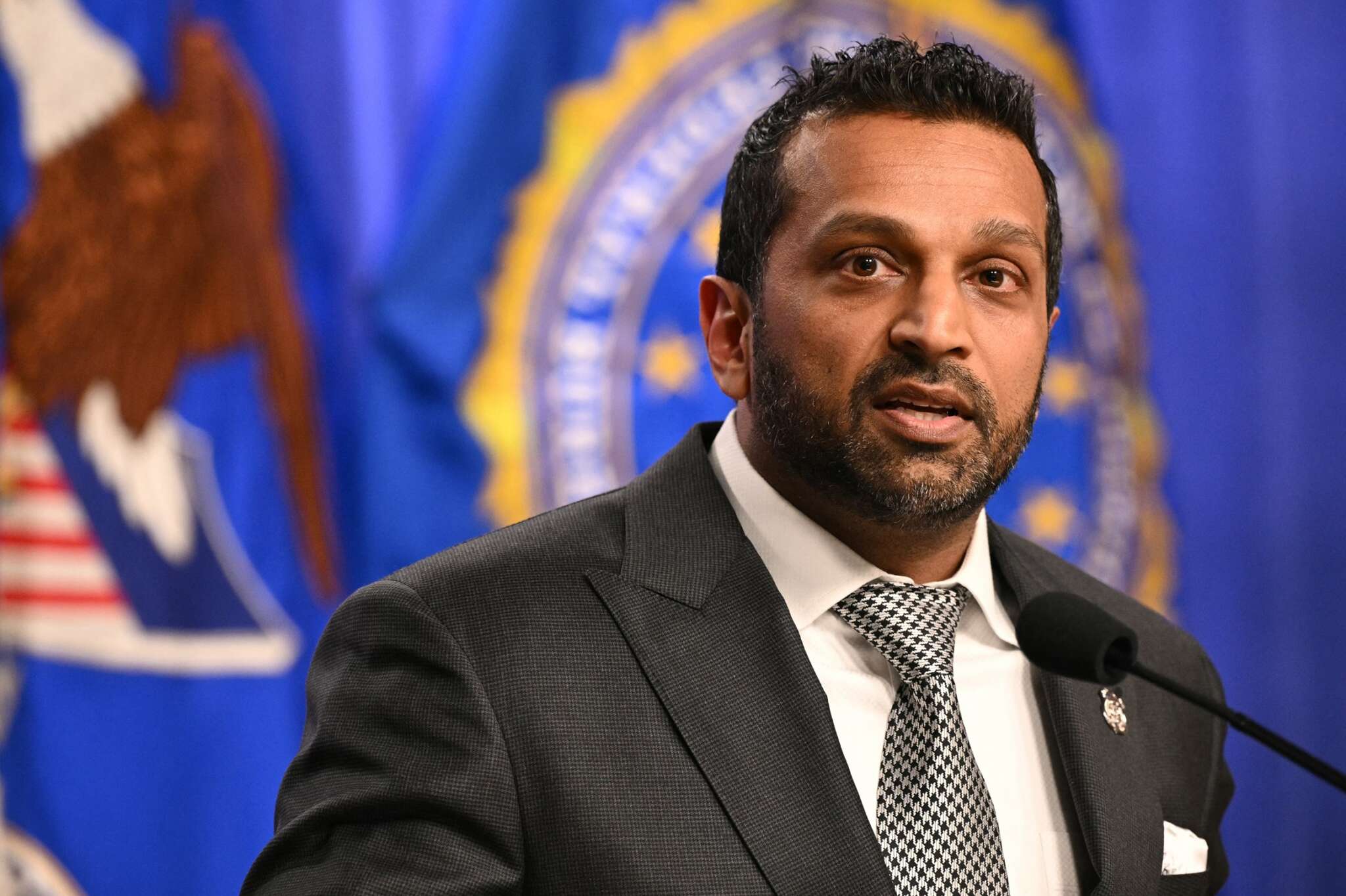
Reported FBI Inquiry Into Atlantic Sources Raises Press Freedom Concerns
May 7, 2026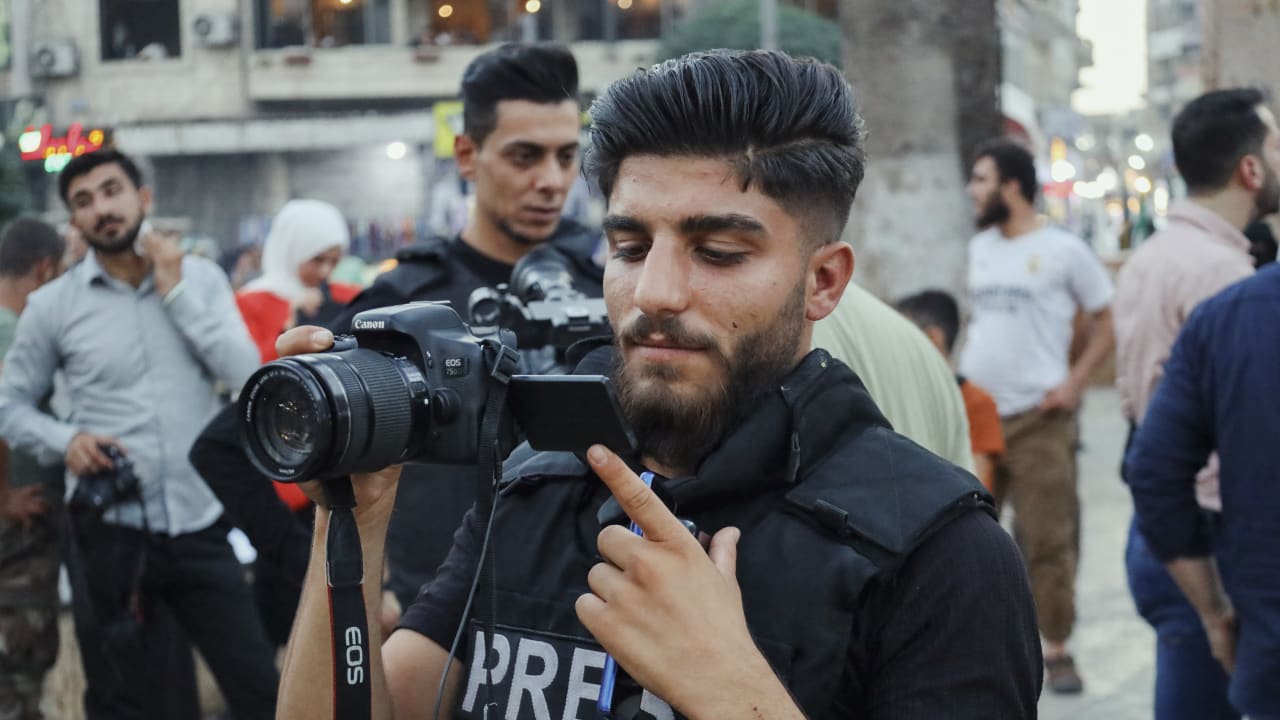
May 07, 2026 – Syria –
Syria’s sharp rise in the 2026 World Press Freedom Index has sparked debate among journalists, analysts, and media organizations, with many arguing that the improved ranking does not reflect meaningful changes in the country’s media environment.
Reporters Without Borders (RSF) moved Syria up 36 places to 141st out of 180 countries in its latest global index, marking one of the largest annual increases worldwide. RSF linked the improvement to reduced levels of violence following the fall of Bashar al-Assad’s government in late 2024, as well as changes in legal, political, and security conditions affecting journalists.
Syrian officials welcomed the ranking as evidence of progress in rebuilding the country’s media sector. State media reported that authorities viewed the development as proof of growing professionalism, legal reform, and greater openness within Syrian journalism.
However, journalists and press freedom advocates warned that the ranking masks continuing restrictions on independent reporting. Media workers interviewed by regional outlets said journalists still face censorship, legal pressure, restricted access to information, and fear of retaliation for sensitive coverage.
According to analysts cited in The Media Line, the rise in the index is tied more closely to a reduction in battlefield violence than to structural improvements in press freedom. While some journalists now face fewer direct military threats than during the height of the Syrian conflict, critics say the legal and institutional framework governing the media remains heavily restrictive.
The reports also highlighted the long-term impact of Syria’s civil war on journalism. Over the past decade, hundreds of journalists and media workers have reportedly been killed, detained, or forcibly disappeared, while many independent reporters fled the country and established media outlets abroad.
Some observers acknowledged that digital platforms and online media have created new opportunities for reporting and public discussion. Yet concerns remain over surveillance, self-censorship, and the lack of independent media institutions inside Syria.
Despite the improved ranking, RSF still classifies Syria’s press freedom situation as “very serious,” reflecting ongoing concerns about the safety and independence of journalists operating in the country.
Reference –


