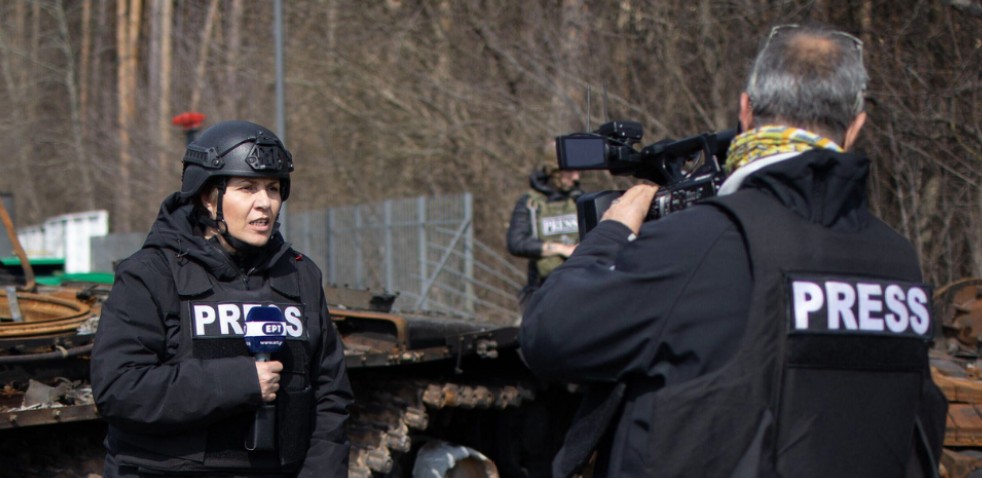

Indian Journalists Win Pulitzer Prize for Cybercrime Exposés, Spotlighting Global Digital Fraud Networks
May 6, 2026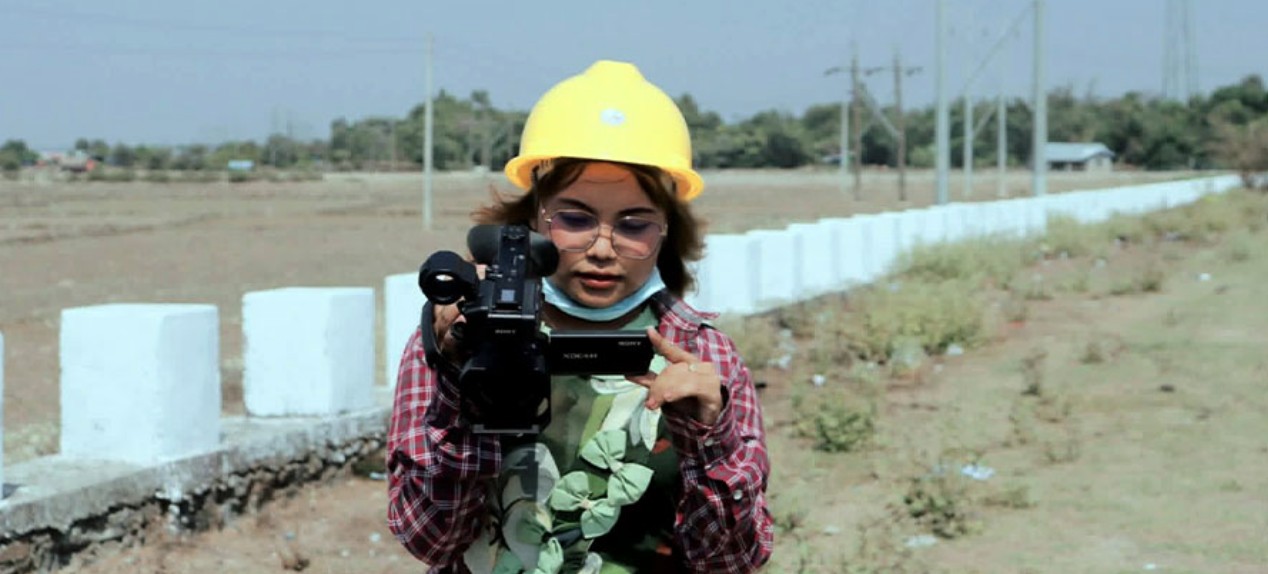
Journalist in Myanmar’s Arakan State Faces Online Sexual Harassment and Threats Amid Rising Digital Abuse Concerns
May 6, 2026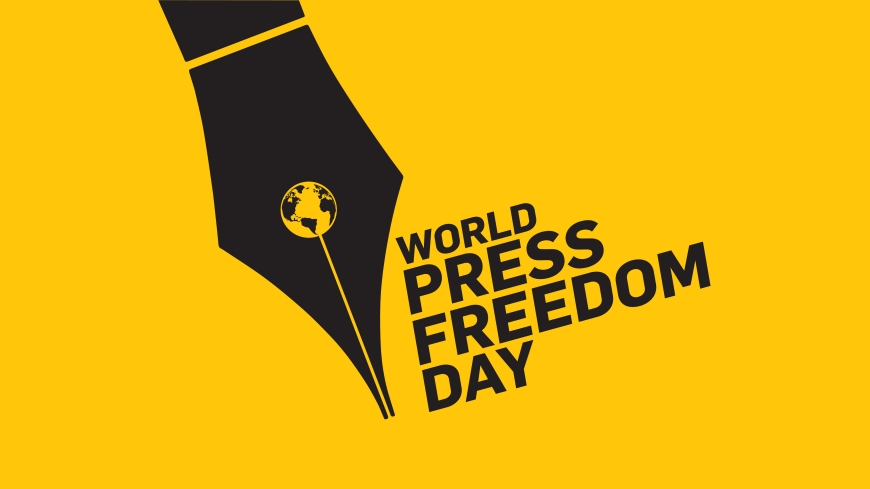
May 06, 2026 – Europe –
A new analysis released to mark World Press Freedom Day 2026 highlights growing and evolving threats to media freedom across Europe, warning that journalists are increasingly facing a combination of legal pressure, physical attacks, surveillance, and structural restrictions that undermine independent reporting.
The report, based on six years of monitoring data collected by the Media Freedom Rapid Response (MFRR), documents more than 6,000 media freedom violations affecting over 10,000 journalists and media organisations across EU member states and candidate countries. The findings show that threats are not limited to isolated incidents but form part of a sustained pattern affecting journalists across the region.
According to the data, recorded violations include physical assaults, intimidation, harassment, attacks on media property, legal proceedings, and various forms of interference with journalistic work. The monitoring also highlights a continued rise in legal pressure, including arrests, detentions, and criminal charges used against journalists, alongside a growing number of civil lawsuits that can financially and professionally burden media workers.
The report also identifies emerging structural challenges. These include increasing use of surveillance technologies, the spread of restrictive or vaguely defined legislation affecting media operations, and the growing influence of political and economic actors over media ownership. Analysts warn that such developments can contribute to self-censorship and weaken the ability of journalists to report independently on sensitive issues.
A major concern highlighted by researchers is the persistence of impunity in cases of violence against journalists. In several instances, attacks on media workers have not resulted in effective investigations or prosecutions, reinforcing a climate of risk for those reporting on corruption, conflict, or governance.
The report also places Europe’s situation in a broader global context, noting that press freedom has reached its lowest level in 25 years worldwide, with more than half of the countries assessed now classified as having difficult or very serious conditions for journalism.
Despite these concerns, the analysis notes that some policy frameworks at the European level, including new media protection initiatives, offer potential tools to strengthen journalist safety. However, implementation remains uneven across countries, and experts stress that legal protections must be enforced more effectively to counter ongoing risks.
Press freedom organisations conclude that without stronger safeguards, accountability mechanisms, and political commitment, the gap between legal protections and real-world conditions for journalists is likely to widen further across Europe.
Reference –
Related posts
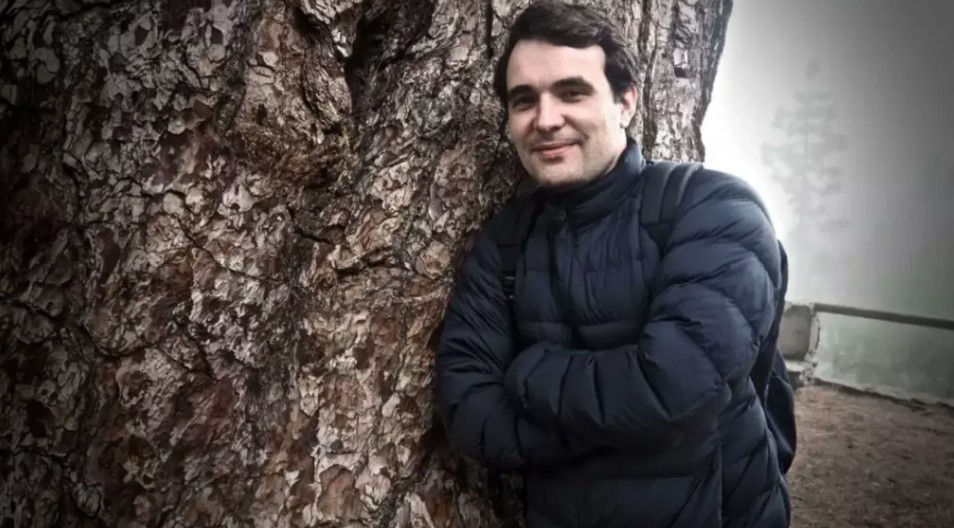
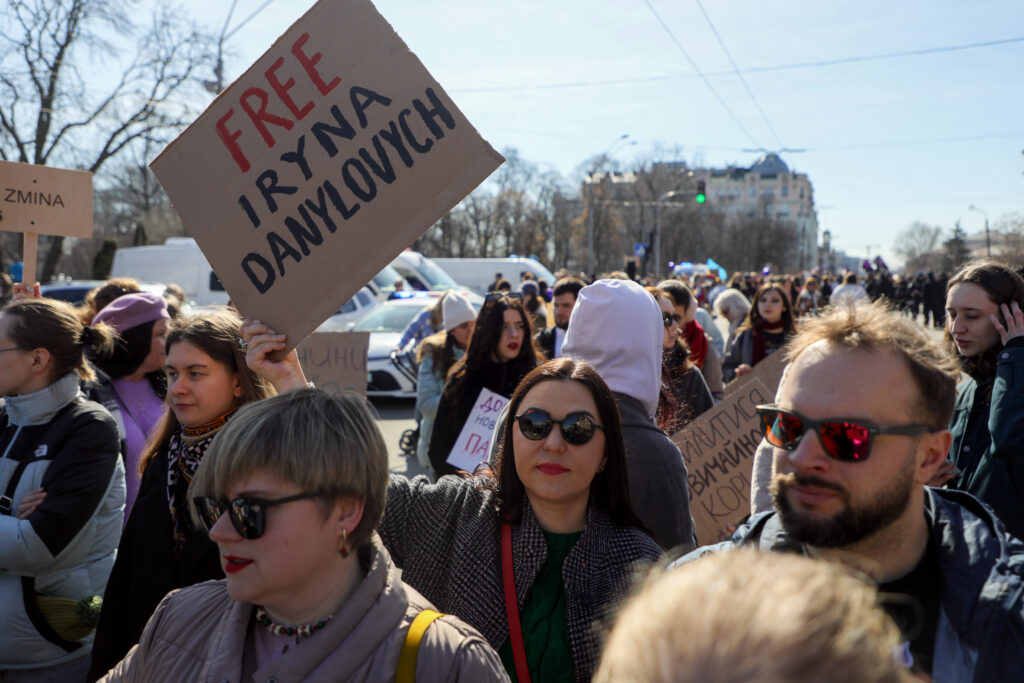
A woman holds a placard demanding freedom for Iryna Danylovych, a human rights defender, medical professional, and civic journalist who was sentenced by Russian authorities in Russia-occupied Crimea in December 2022 to seven years in prison on fabricated charges of âunlawful handling of explosives", as demonstrators gather in Volodymyrska Street near Taras Shevchenko Park for the March of Women on International Womenâs Day, Kyiv, Ukraine, March 8, 2026. Held for the first time since Russiaâs full-scale invasion, the procession was dedicated to combating gender discrimination and protecting womenâs rights. Activists highlighted the rights of female military personnel, the need to address sexual harassment and discrimination in the Armed Forces of Ukraine, and support for women held in Russian captivity since 2014. Many participants also voiced opposition to the draft of the new Civil Code., Credit:Yuliia Ovsiannikova / Avalon