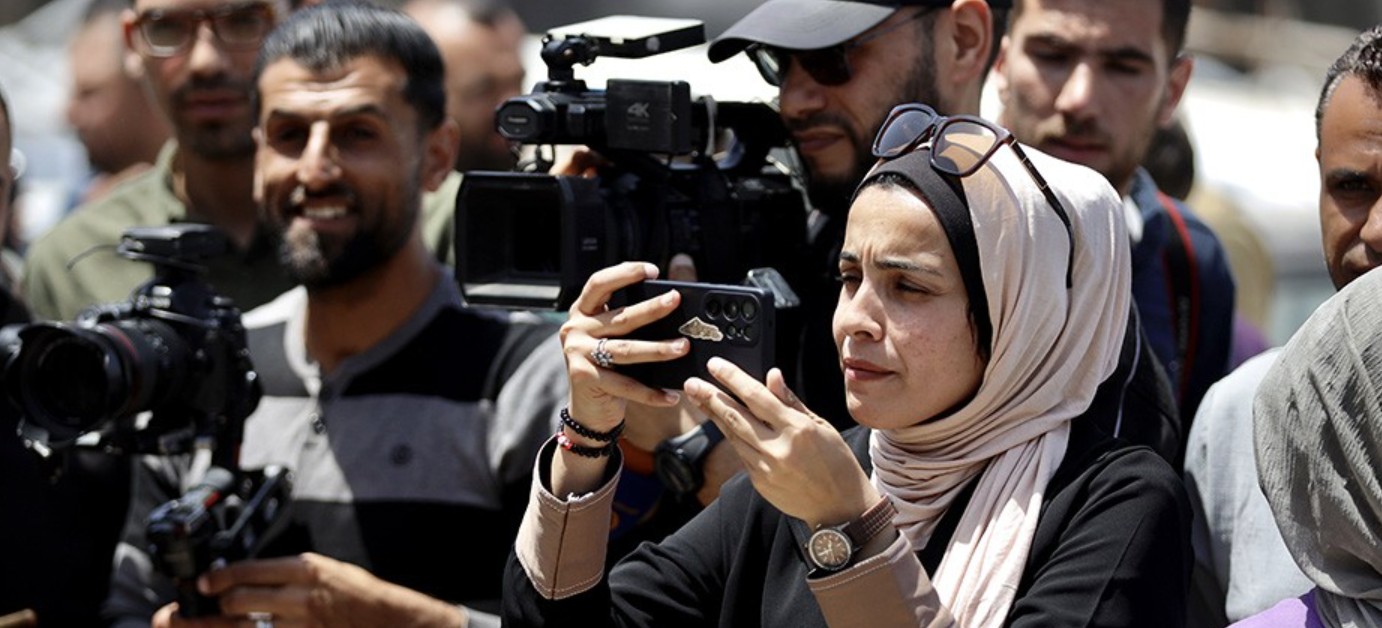
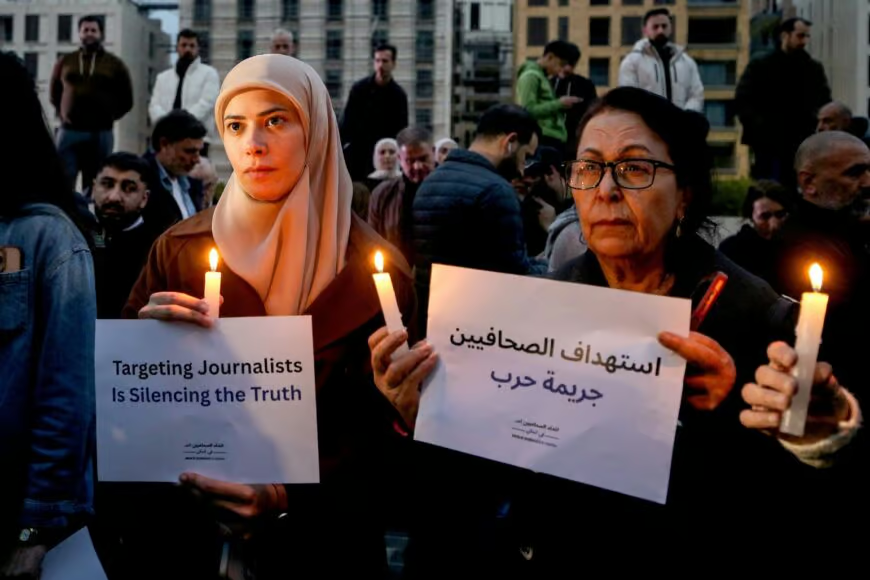
A new UN Women feature report highlights a sharp increase in online violence targeting women journalists, warning that digital abuse is becoming more frequent, more sophisticated, and more damaging in the age of artificial intelligence. The findings show that women working in media and public communication are facing escalating harassment that increasingly threatens their ability to report freely and safely.
According to the UN analysis and associated studies released ahead of World Press Freedom Day 2026, reports of online violence against women journalists have doubled since 2020. The abuse includes threats, coordinated harassment campaigns, non-consensual sharing of images, and AI-generated content such as deepfakes designed to humiliate or discredit victims.
The report notes that these attacks are not limited to digital spaces. In many cases, online harassment spills into real-world consequences, including stalking, intimidation, and professional retaliation. Nearly 70 percent of women journalists surveyed globally reported experiencing online violence, with a significant proportion stating that it affected their mental health and professional confidence.
One of the most concerning trends identified is the growing use of artificial intelligence to amplify abuse. The report warns that AI tools are making it easier to generate realistic fake images and defamatory content, significantly increasing the scale and impact of harassment campaigns. This technological shift has intensified what researchers describe as a “chilling effect” on women’s participation in public debate.
As a result, many women journalists are changing their behaviour online. More than 40 percent reported self-censorship on social media, while others said they have reduced or completely withdrawn from professional engagement in digital spaces to avoid further abuse.
The UN stresses that this pattern has broader implications for press freedom and democratic participation. When women journalists are forced to step back or limit their visibility, the diversity of voices in public discourse is reduced, weakening accountability and the public’s access to information.
The report calls for stronger legal protections, improved platform accountability, and coordinated international action to address technology-facilitated gender-based violence. It emphasizes that safeguarding women journalists is essential not only for gender equality but for the protection of press freedom as a whole.
Reference –
https://asiapacific.unwomen.org/en/stories/feature-story/2026/05/women-journalists-report-increasing-violence-online