Gaza Journalists Mark Press Freedom Day Under Fire as Death Toll Continues to Rise
May 3, 2026
45 Palestinian Journalists Held in Israeli Prisons Face Severe Conditions, Rights Center Says
May 4, 2026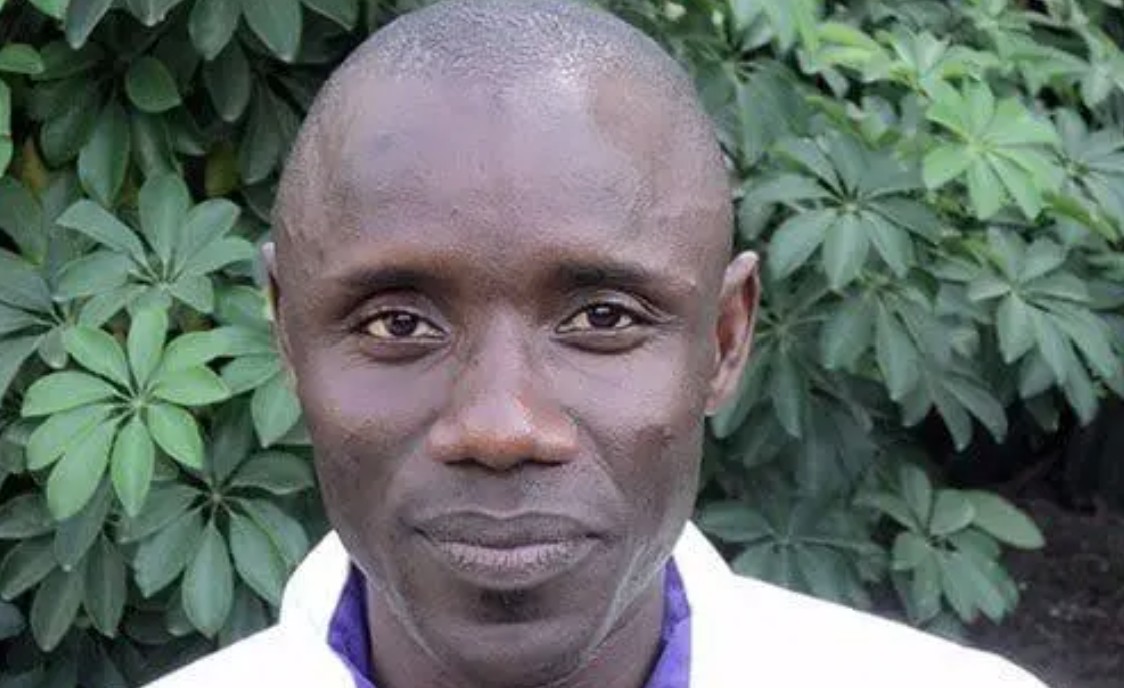
May 04, 2026 – Senegal –
A new podcast released by the Committee to Protect Journalists (CPJ) has brought renewed scrutiny to the conviction of René Capain Bassène, presenting fresh testimony that raises serious concerns about due process and the use of coerced confessions in his case. The six-part series, produced in Wolof and French, examines what CPJ describes as one of the most emblematic press freedom cases in West Africa.
Bassène, a journalist and author, is currently serving a life sentence over his alleged involvement in the killing of 14 men in 2018 in Senegal’s Casamance region. His conviction has long been contested by press freedom groups, and the podcast builds on earlier investigations that questioned the integrity of the trial and the evidence used against him.
According to testimonies featured in the series, several former co-defendants claimed they were subjected to severe abuse during detention, including beatings and electric shocks, and were forced to falsely implicate Bassène. These accounts reinforce longstanding allegations that coercion played a central role in securing the prosecution’s case.
The podcast also includes new perspectives from key figures, including a leader of a separatist group cited in the prosecution’s narrative, who denied claims that Bassène had acted as a spokesperson or instigator of the violence. This testimony challenges core elements of the case and adds to doubts surrounding the official account presented in court.
Further concerns highlighted in the investigation point to inconsistencies in how responsibility for the killings was established, as well as the apparent dismissal of information that could have supported Bassène’s defense. Reports indicate that his efforts to warn authorities about potential violence before the attack were not considered during proceedings.
Despite these issues, Senegal’s Supreme Court upheld Bassène’s life sentence, prompting continued criticism from press freedom advocates. CPJ has called on President Bassirou Diomaye Diakhar Faye to address what it describes as a miscarriage of justice and to secure the journalist’s release.
The case underscores broader concerns about judicial fairness and the risks faced by journalists reporting on conflict-related issues. Observers warn that the allegations detailed in the podcast, if substantiated, highlight systemic vulnerabilities that can expose journalists to wrongful prosecution and severe reprisals.
Reference –