Federal Charges Filed After Assault on Journalist at Minnesota Protest
April 29, 2026
Media Under Strain Ahead of Holyrood Vote as Journalist Safety and Political Pressures Intensify
April 29, 2026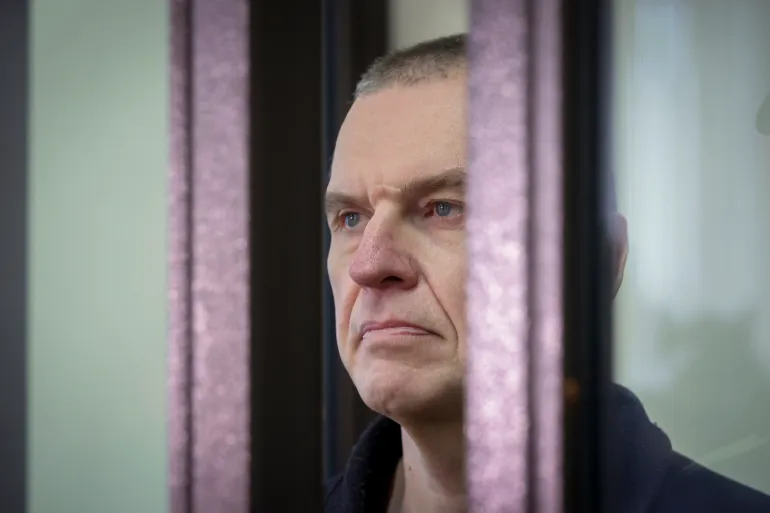
April 29, 2026 – Belarus –
Belarus has released Polish-Belarusian journalist Andrzej Poczobut after more than five years in prison, in a high-profile prisoner exchange that has drawn international attention to both his case and the broader state of press freedom under President Alexander Lukashenko.
Poczobut, a contributor to the Polish newspaper Gazeta Wyborcza and a prominent figure within Belarus’s Polish minority, was arrested in March 2021 and later sentenced to eight years in a penal colony on charges widely condemned as politically motivated. His prosecution became emblematic of the Belarusian government’s crackdown on dissent and independent journalism following widespread protests and political unrest.
On April 28, 2026, Belarus confirmed its release as part of a multi-country prisoner swap involving Poland and several other states, facilitated through complex diplomatic negotiations that included the United States. The exchange reportedly involved multiple detainees across countries, including Russia, Moldova, and Kazakhstan, reflecting the scale and geopolitical significance of the deal.
Officials and observers have linked the release to Belarus’s broader effort to improve relations with Western governments. Reports indicate that recent prisoner releases, including Poczobut’s, form part of ongoing negotiations that could lead to eased sanctions and increased diplomatic engagement.
Despite the positive development, press freedom organizations have cautioned against viewing the release as a systemic shift. Reporters Without Borders noted that Poczobut’s freedom came through a negotiated exchange rather than a legal reversal, underscoring what it described as the continued use of political prisoners as leverage by the Belarusian authorities. The group also highlighted that numerous journalists remain detained in the country.
Poczobut’s imprisonment had drawn sustained international criticism, with concerns raised about his health and conditions in detention. His case became a symbol of the risks faced by journalists working under authoritarian conditions, particularly those reporting on politically sensitive issues or minority communities.
While his release has been welcomed by governments and advocacy groups alike, it has also reinforced concerns about the broader environment for media in Belarus. Observers note that hundreds of political prisoners are still believed to be held, and legal frameworks used to prosecute journalists remain in place.
The case highlights the dual reality facing journalists in restrictive environments, where individual releases may occur through diplomatic intervention, even as structural pressures on independent reporting persist.
Reference –