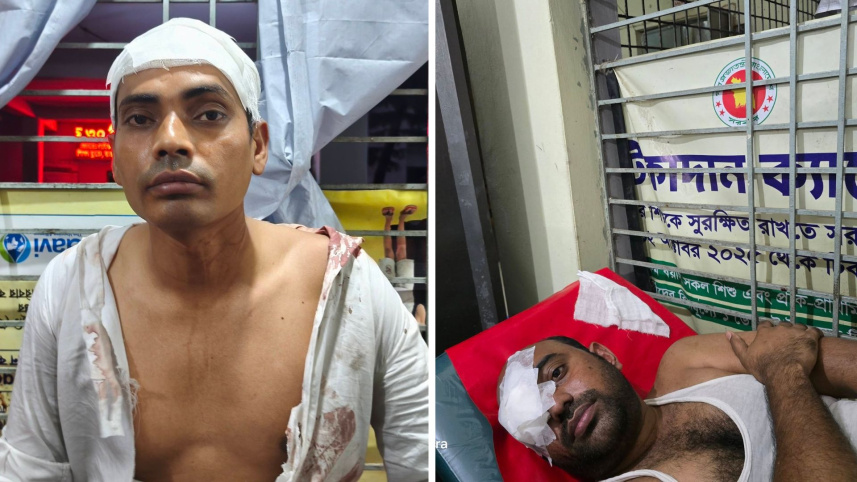

TPUSA Contributor Assaulted at Anti-ICE Protest as Federal Investigation Launched
April 15, 2026
Man Pleads Guilty for the Attack on Indo-Canadian Journalist in Calgary in 2024
April 15, 2026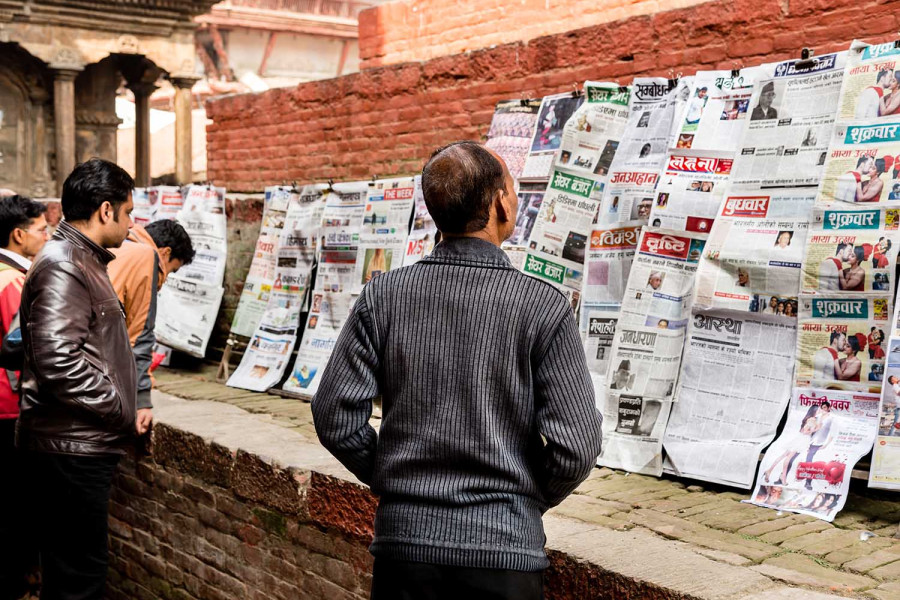
April 15, 2026 – Nepal –
Nepal’s media sector is facing a deepening financial and structural crisis, with widespread salary delays leaving journalists unpaid for months while news organisations struggle to survive in an increasingly unstable advertising market.
According to a detailed industry report, newsroom staff across major Nepali outlets are routinely going without salaries for extended periods, in some cases ranging from several months to nearly a year. The situation has created widespread uncertainty among journalists, many of whom say they have limited legal or institutional avenues to recover unpaid wages or challenge management decisions.
The crisis is being driven by a long-term decline in traditional revenue sources, particularly print advertising, as audiences migrate to digital platforms and advertisers shift spending toward social media ecosystems. At the same time, Nepal’s media market remains highly fragmented, with thousands of registered outlets competing for a shrinking pool of advertising income.
Several major media houses have reportedly struggled to maintain consistent payrolls, with journalists at both legacy and newer outlets describing uneven payment structures, selective salary distribution, and persistent arrears. Some workers say they feel compelled to remain in underpaid or unpaid positions due to limited alternative employment opportunities within the journalism sector.
The financial strain is also affecting editorial operations, with reports of staff turnover, reduced newsroom capacity, and increased reliance on smaller teams to cover wide-ranging beats. In some cases, journalists have left the profession entirely, citing long-term instability and lack of financial security.
Industry stakeholders note that the crisis is not solely the result of declining private advertising, but also of broader structural issues, including dependence on government advertising, weak regulatory enforcement of labor protections, and inconsistent payment practices across media organisations.
The Federation of Nepali Journalists has repeatedly highlighted concerns over professional insecurity, including delayed wages and contract violations, but enforcement of existing labor laws remains weak and slow-moving. As a result, many disputes are redirected through lengthy administrative and legal processes that fail to provide timely relief to affected journalists.
At the same time, a recent government decision to restrict official advertising to state-owned outlets has further intensified concerns within the private media sector, with industry groups warning it could accelerate financial decline among independent news organisations.
Despite the crisis, a small number of digital and well-managed outlets continue to maintain regular salary payments, underscoring growing inequality within the media ecosystem.
Overall, the situation reflects a broader structural contraction of Nepal’s journalism industry, where economic instability is increasingly shaping not only newsroom viability but also the long-term sustainability of independent reporting.
Reference –
Nepali media is fighting for survival, its journalists are fighting for their paychecks