

Independent Journalism Is Mission-Driven but Financially Precarious, New Report Finds
April 15, 2026
Global Survey Highlights Rising Risks for Journalists as Threats Shift from Violence to Systemic Intimidation
May 3, 2026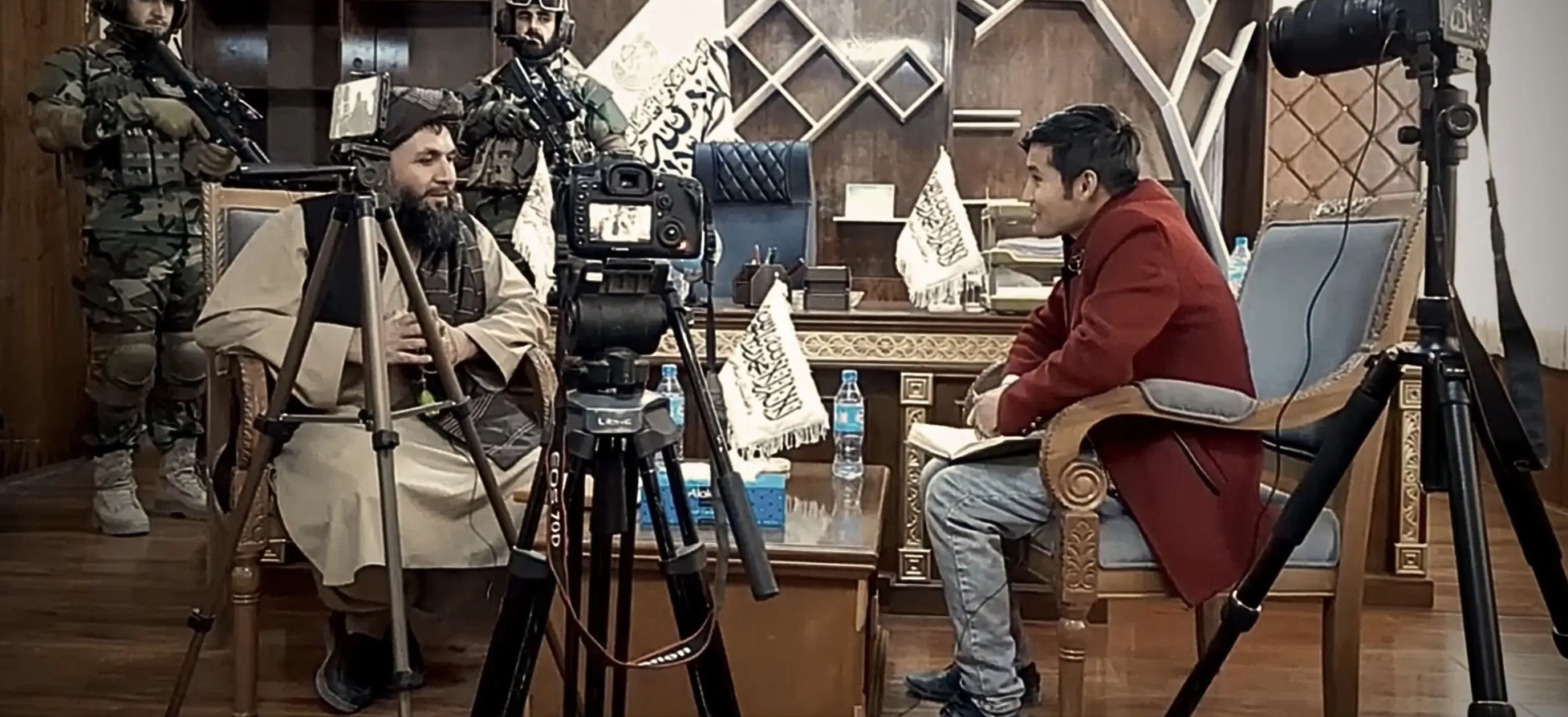
A cross-border investigative project by Forbidden Stories, titled Radio Silence, examines the risks faced by journalists in Kabul amid political upheaval, governance breakdown, and persistent threats to press freedom in Afghanistan.
The investigation reconstructs reporting originally conducted by Afghan journalists who were unable to continue their work due to intimidation, displacement, or security risks following the return of the Taliban to power. It focuses in part on reporting linked to the governor of Kabul and broader questions about governance, accountability, and information control in the capital.
At the centre of the project is an effort to continue stories that were left incomplete due to direct pressure on reporters inside Afghanistan. Forbidden Stories, an international consortium of journalists, coordinated the work across multiple countries, using secured materials and interviews to rebuild reporting trails that had been disrupted by censorship and fear.
The investigation highlights the growing constraints on Afghan media workers, particularly in Kabul, where journalists face restrictions on movement, editorial independence, and access to officials. Many reporters have either fled the country or shifted to exile-based reporting networks, while those remaining operate under strict limitations that affect both the scope and safety of their work.
According to the findings, the suppression of information is not limited to formal censorship but also includes informal pressures, such as intimidation, surveillance, and the targeting of sources. These conditions have contributed to a climate in which critical reporting on local authorities, including provincial governance structures, becomes increasingly difficult to sustain.
The project also situates the situation in Kabul within a broader pattern documented by Forbidden Stories’ global investigations, which show how attacks on journalists often result in the fragmentation of information ecosystems. When reporters are silenced, entire lines of inquiry into corruption, governance, and human rights violations risk being lost unless deliberately preserved and continued by external networks.
By reconstructing unfinished reporting, Radio Silence underscores a central premise of collaborative investigative journalism: that the suppression of individual journalists does not eliminate the underlying stories they were pursuing. Instead, those stories can be continued collectively to maintain public accountability and preserve access to information.
The investigation ultimately portrays Kabul as a focal point of a wider global pattern in which political control over information directly affects the safety of journalists and the public’s ability to understand governance structures.
Reference –