
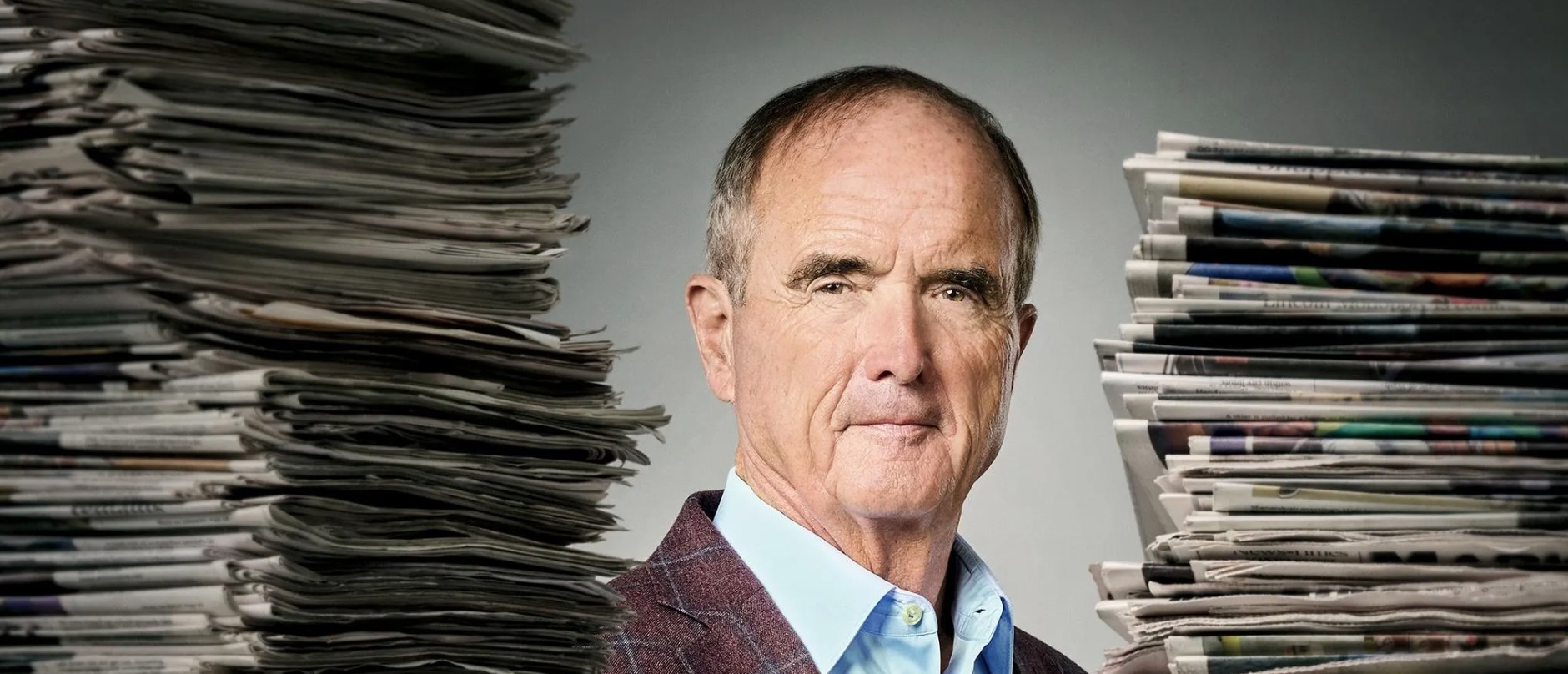
Billionaire David Hoffmann’s Strategic Bid to Revive American Newspapers
April 9, 2026
From Reporting to Reflexivity: Journalism, Power, and the Changing Architecture of News Practice
April 12, 2026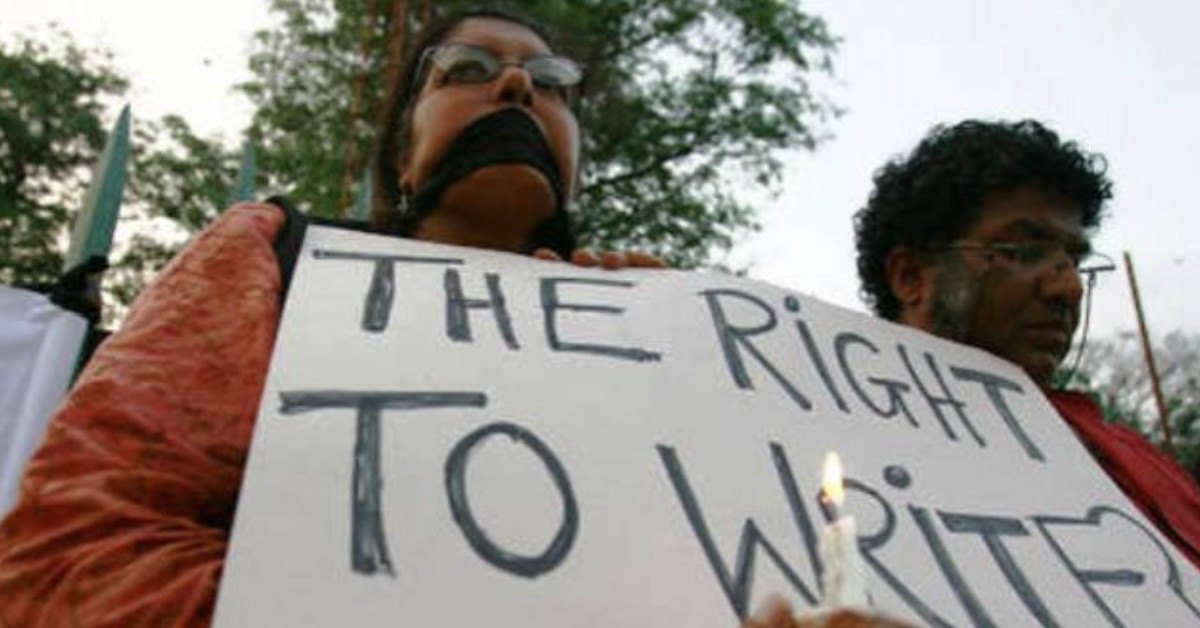
The number of women working as reporters in Pakistan’s media industry has fallen sharply in recent years, raising concerns about a widening gender gap in journalism and its impact on news coverage and representation. According to recent data cited in industry reporting, women now make up only about 4 percent of reporters in 2025, down from 16 percent in 2020, marking a steep and sustained decline in newsroom participation.
This contraction is not occurring in isolation but reflects broader structural and institutional pressures within Pakistan’s media landscape. Analysts and journalists point to a combination of workplace discrimination, lack of institutional support, and worsening economic conditions for media organisations as key drivers pushing women out of the profession. Many women who enter journalism reportedly leave within a few years due to unsafe working environments, limited career progression, and financial instability.
Field reporting and investigative journalism remain especially inaccessible for women, with these roles still dominated by men in most newsrooms. Women are more frequently confined to desk-based work or “soft beats,” limiting their visibility in political, economic, and governance reporting. This uneven distribution of roles has contributed to a narrowing of perspectives in mainstream news coverage.
The article highlights how newsroom culture itself often reinforces exclusion. Female journalists describe environments marked by harassment, lack of mentorship, and discriminatory assumptions about their ability to handle field assignments. In some cases, women report being discouraged from continuing in the profession altogether after pregnancy, safety concerns, or family pressure intersect with workplace bias.
Beyond internal newsroom dynamics, broader systemic challenges further compound the decline. Pakistan’s media industry has faced repeated financial crises, layoffs, and the closure of outlets, reducing already limited opportunities. In such conditions, women are often disproportionately affected, particularly where job security and institutional safeguards are weak.
The shrinking presence of women journalists also has direct consequences for the content and quality of reporting. Studies and commentary cited in media analysis suggest that when women are absent from news production, issues affecting women and marginalized communities are less frequently covered or are framed without sufficient depth or nuance.
Ultimately, the decline reflects not just a gender imbalance in employment but a broader erosion of diversity within Pakistan’s journalism ecosystem. The “vanishing” of women from reporting roles signals a structural crisis that affects both newsroom equity and the completeness of public information, with long-term implications for media credibility and democratic discourse.
Reference –
https://tribune.com.pk/article/98136/the-vanishing-women-in-journalism