
Gibraltar Journalist Celebrates Influential Women in History With New Book
April 8, 2026
Japanese NHK Bureau Chief Released on Bail After Nearly Three Months in Iranian Detention
April 8, 2026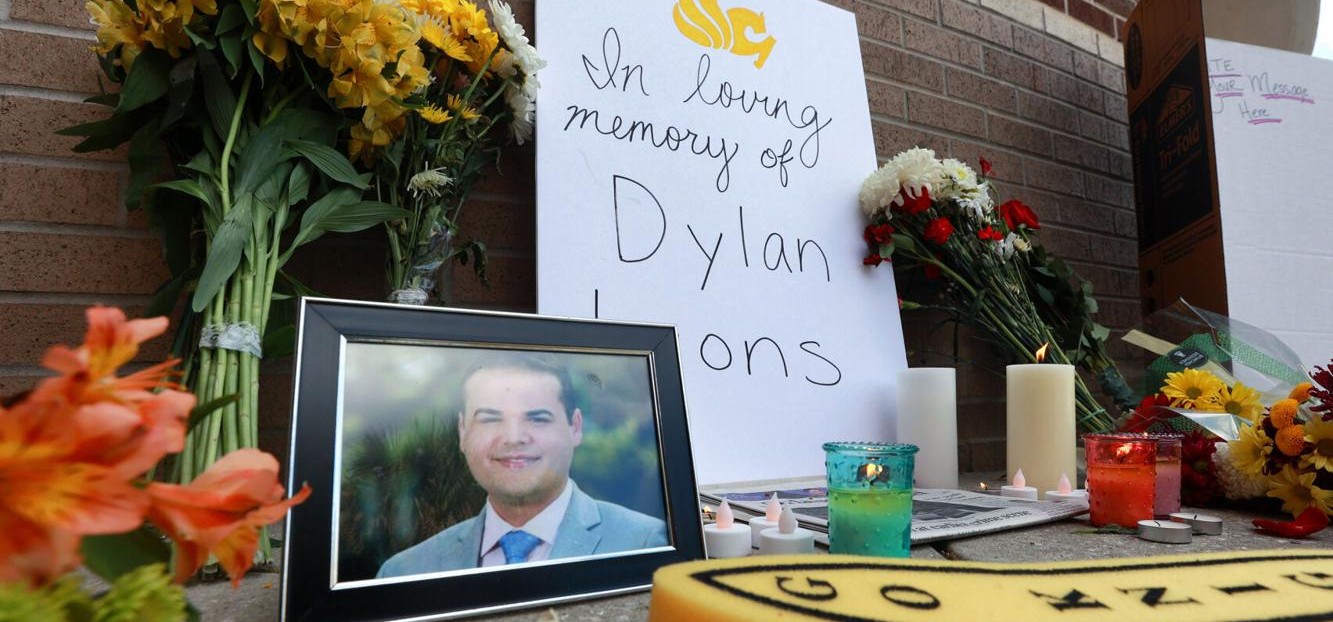
April 08, 2026 – USA –
A lawsuit filed by the family of slain Florida TV reporter Dylan Lyons against the parent company of his former employer has been permanently dismissed by a federal judge, concluding a long‑running legal effort to hold the broadcaster accountable for his death.
Lyons, 24, who worked for Spectrum News 13 as a television journalist, was fatally shot on February 22, 2023, while covering a murder in the Pine Hills area of Orange County, Florida. During the assignment, the gunman responsible for the earlier shooting returned to the scene and opened fire on the newsroom crew, killing Lyons and also killing a 9‑year‑old girl at a nearby home, according to reports on the incident.
His family subsequently filed a civil lawsuit against the station’s parent, Charter Communications, alleging that the company acted negligently by sending Lyons into a dangerous situation without adequate safety policies, training, or protective measures. The complaint contended that the newsroom had failed to properly assess the risks ahead of the assignment and did not ensure his protection in an active crime scene environment.
In the recent decision, Senior U.S. District Judge Anne Conway agreed with defense arguments that the lawsuit did not present sufficient evidence that the media company concealed information about the threat level on the scene or otherwise misled Lyons about the danger he faced. The judge also noted that the ordinary risks inherent to covering crime scenes are generally recognizable to journalists, and that Lyons’ level of experience was not determinative in establishing liability. As a result, the judge dismissed the lawsuit “with prejudice,” meaning it cannot be refiled in federal court.
While the family’s case against Charter Communications has ended, the Lyons estate continues to pursue legal action against the Orange County Sheriff’s Office. That separate complaint asserts that law enforcement failed to provide adequate information or warnings about the suspect still at large when reporters arrived at the scene, raising questions about procedural lapses during the initial response.
The dismissal marks a significant legal setback for advocates of enhanced safety protections for journalists covering high‑risk assignments, though the ongoing case against law enforcement may yield further scrutiny of how information was communicated to the news crew on the day Lyons was killed. The tragic death of Dylan Lyons has continued to spark debate on the responsibilities of both media organizations and public safety agencies in safeguarding reporters in the field.
Reference –